
Germany is converting its largest port for military logistics
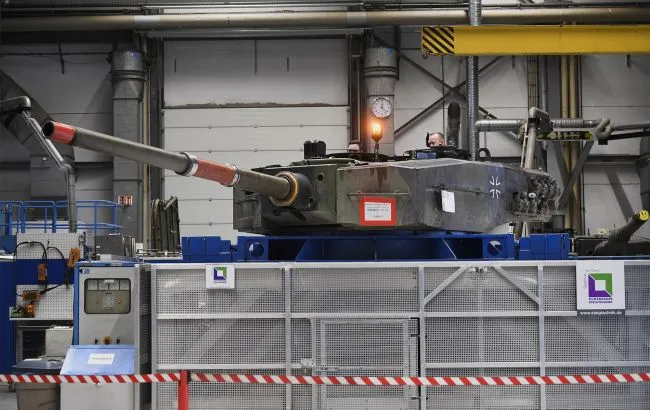
Germany is rapidly ramping up its military logistics and is effectively restructuring one of Europe’s key ports to meet the needs of the military and its allies. Billions of euros are being invested in the project to enable the port to quickly receive and ship heavy equipment, including tanks. This is part of a broader European effort to prepare for potential security challenges, according to Bloomberg.
Germany is launching one of the largest defense infrastructure projects in recent years—the modernization of the port in Bremerhaven, which is Europe’s largest car port. According to Bloomberg, €1.35 billion is being invested in the facility’s development, but the key change lies not in expanding trade, but in adapting the port for military transport.
In fact, the port is being prepared to handle heavy equipment, including 60-ton Leopard tanks and other types of weaponry that can be rapidly deployed to potential conflict zones. The project is already included in Germany’s 2026 budget and is viewed as part of a long-term strategy to strengthen the defense readiness of the country and its allies.
Particular emphasis is placed on the fact that the Bundeswehr lacks sufficient resources for independent logistics on this scale, so the government is engaging private companies. Among them are logistics operators, notably BLG Logistics, which already operate in Bremerhaven. “The decision to invest in the port was a turning point for us. We are currently engaged in very constructive negotiations and hope to make the first significant investments as early as this year,” said the company’s CEO, Matthias Magnor.
At the same time, the project is being implemented against the backdrop of serious problems with transport infrastructure in Germany itself. According to estimates, about 5,000 bridges are in need of repair, and some roads and railways are not designed to handle the intensive movement of heavy military equipment.
Following the outbreak of Russia’s full-scale war against Ukraine in 2022, Berlin significantly revised its defense policy. Signals from the U.S. regarding a possible reduction in its military presence in Europe served as an additional factor.
As a result, Germany is gradually blurring the line between civilian and military logistics, transforming key transportation facilities into components of the continent’s defense readiness system.
For decades, North Korea has played a key role in the development of Iran’s missile program, transferring not only weapons but also technology and engineering solutions. According to experts, it was this cooperation that allowed Tehran to transition from simple copies of Soviet missiles to modern long-range systems. Over time, this collaboration has evolved into a large-scale military-technological network.
