
New flotilla heads to Gaza via European ports
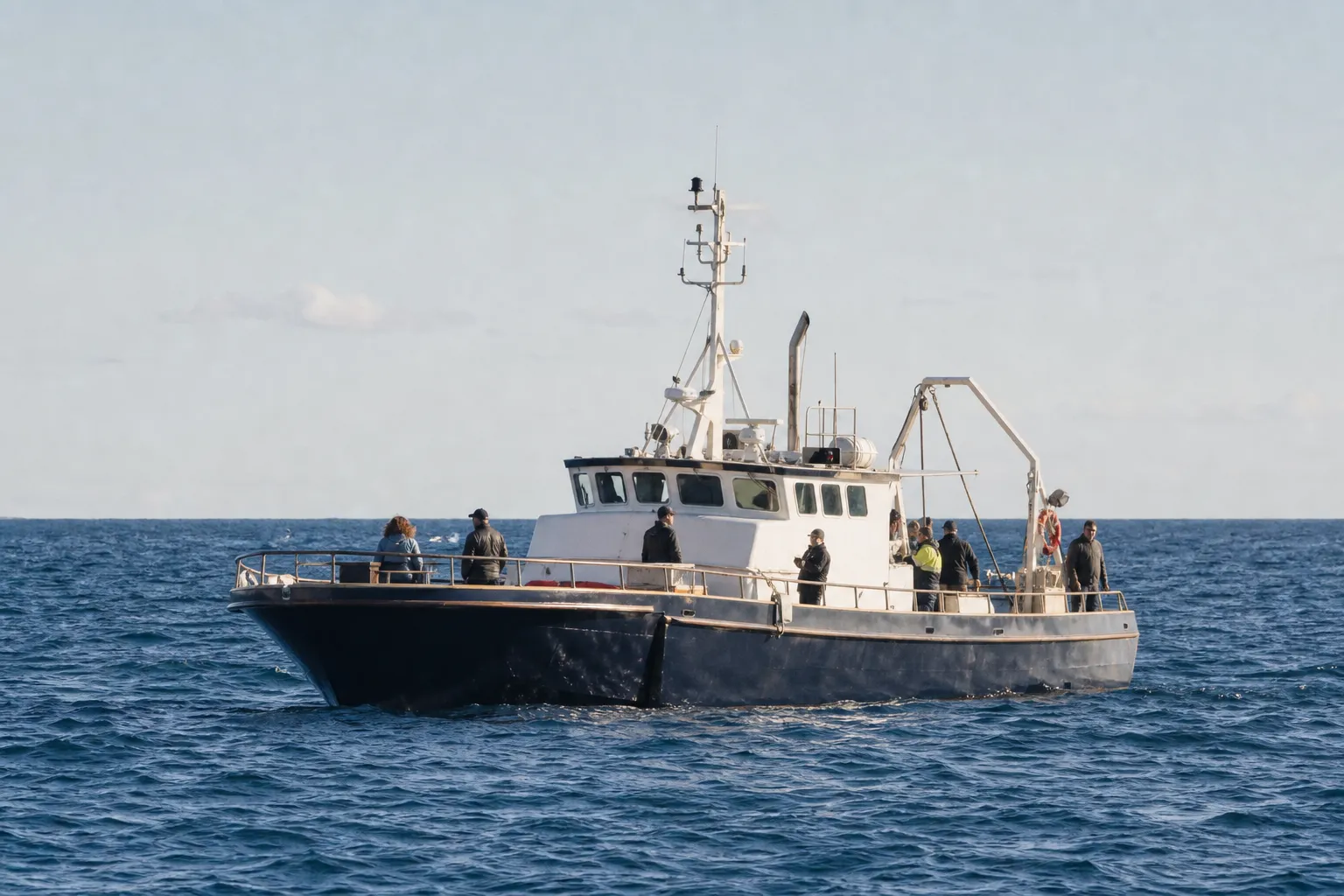
The Freedom Flotilla Coalition (FFC) has announced the launch of a new international mission whose participants plan to reach the coast of Gaza in October. Two vessels have already set sail and are stopping at European ports, Al Jazeera English reports.
According to the coalition, Handala II travelled through Scandinavia in June and July, stopping in Norway, Sweden and Denmark. The vessel Kate departed from Bristol, the United Kingdom, this month and has already called at ports in Ireland, Germany and France. Before continuing its route to Gaza, the flotilla also plans stops in Spain, Portugal and Italy.
Coalition demands
Human rights defenders, peace activists, elected representatives, journalists, medical workers and supporters of Palestinian rights have joined the mission. The FFC calls on governments to guarantee the safe passage of the vessels and demand that Israel stop obstructing the delivery of food, water and medicine to Gaza.
The coalition also asks states to declare that an attack on or seizure of the vessels will have diplomatic consequences, and to use diplomatic and economic measures to end the blockade. FFC steering committee member Zohar Chamberlain Regev said that the flotilla is setting sail again because, in his words, governments have failed to fulfil their obligations.
More current news is available on the UA.News Telegram channel Telegram.
Previous interceptions
The coalition links its activities to previous attempts to reach Gaza by sea, including the 2010 Mavi Marmara voyage. According to the FFC, Israeli forces killed 10 activists at that time; the coalition also mentions the first voyages of the Free Gaza Movement in 2008.
As Al Jazeera reports, Israeli forces intercepted vessels of the Global Sumud Flotilla twice over the past year: more than 450 participants were detained in October 2025, and about 175 in April 2026. Amnesty International said it documented sleep deprivation, the withholding of water and medical care, as well as other forms of ill-treatment of activists whom Israel held after intercepting the vessels.
According to UNICEF estimates, more than 82% of families in Gaza lack reliable access to water, while about 90% of water and sanitation infrastructure facilities have been destroyed.


