
July 11: A Day of Remembrance—Poland Honors the Victims of the Volhynia Tragedy
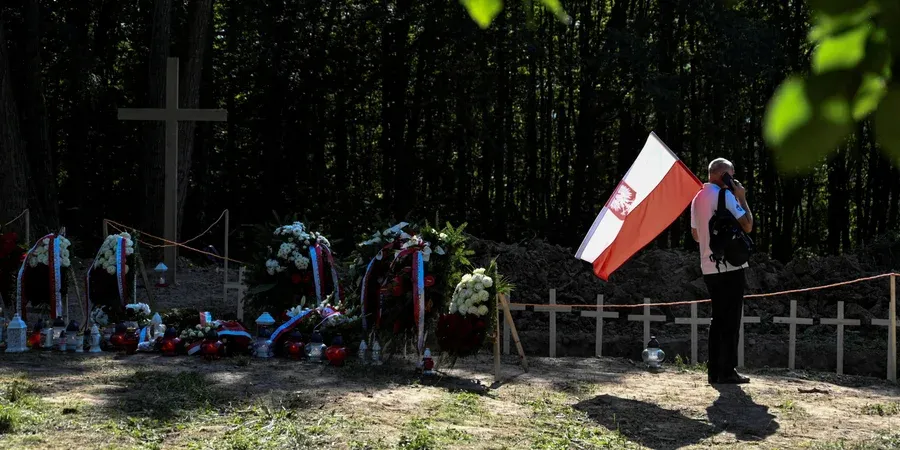
Every year on July 11, Poland observes the National Day of Remembrance for the Victims of the Volhynia Tragedy. On this day, the country honors the memory of Polish civilians who died during the tragic events in Volhynia and other regions of the former Second Polish Republic during World War II. This commemorative date is marked by state ceremonies, flower-laying ceremonies, religious services, and moments of silence.
The National Day of Remembrance for the Victims of the Volhynia Tragedy is one of the most important commemorative dates in modern Poland. It falls annually on July 11 and is dedicated to honoring the memory of Polish civilians who perished during the events in Volhynia and other regions during World War II.

For Polish society, this date is first and foremost a day of mourning and remembrance. The country emphasizes the need to preserve the memory of the victims, support historical research, and pass on knowledge about these events to future generations.
Why July 11?
The date was not chosen at random. In Polish historiography, July 11, 1943, is associated with a wave of simultaneous attacks on Polish settlements in Volhynia. This day is often referred to in Poland as “Bloody Sunday.” That is why it has become a symbolic date for honoring the memory of the victims of the Volhynia tragedy.

The events in Volhynia from 1943 to 1945 remain one of the most painful chapters in the historical memory of both Poland and Ukraine. At the same time, assessments of the causes, the course of events, the responsibility of the parties involved, and the number of victims are the subject of scholarly research and discussions among historians from both countries.
How the Commemorative Date Came to Be
For many years, July 11 was observed at the community level in Poland. Memorial events were organized by veterans’ organizations, historical societies, local authorities, and the families of the victims. In 2016, the Polish parliament passed a resolution establishing a National Day of Remembrance for the victims of the genocide committed by Ukrainian nationalists against citizens of the Second Polish Republic. This is the official name enshrined in Polish law.

In 2025, the Polish Sejm passed a separate law designating July 11 as a national day of remembrance—the National Day of Remembrance for the Victims of the Volhynia Tragedy. Since then, this day has been officially included in Poland’s calendar of national commemorative dates.
How the Day Is Observed
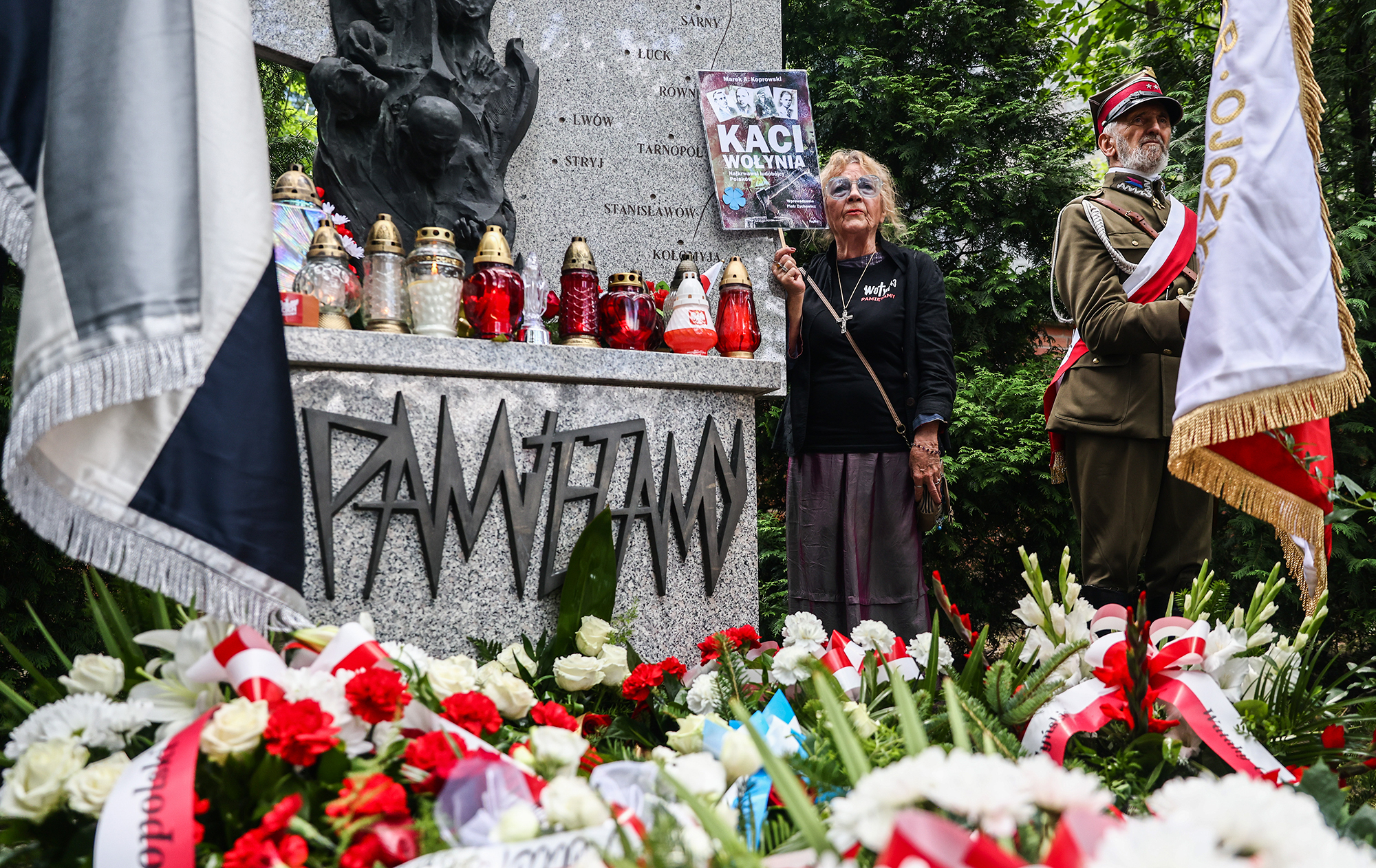
On July 11, memorial services are held throughout Poland. The president, prime minister, and representatives of parliament, local authorities, and civil society organizations lay wreaths at monuments and memorials. Churches of various denominations hold memorial services for the victims.
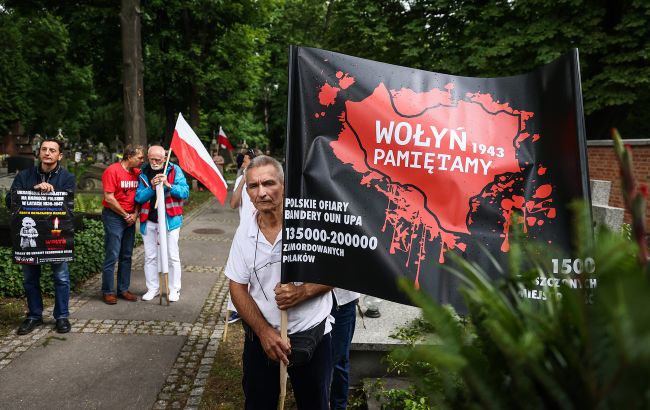
Many cities organize exhibitions of archival documents, photographs, and eyewitness accounts, as well as presentations of historical research, lectures, and discussions. Museums, libraries, and educational institutions hold themed events during which they discuss the events of World War II, the lives of civilians, and the fates of those who survived those tragic years. Flags may be flown at half-mast at government buildings, and a moment of silence is observed during official ceremonies.
Why This Date Remains Important
For Poland, this commemorative date holds not only historical but also social significance. The country’s authorities emphasize the need to preserve the memory of the victims, continue search and archaeological work, identify burial sites, and support historical research.
At the same time, the issue of the Volhynia tragedy remains a sensitive one in Polish-Ukrainian relations. Historians from both countries assess certain aspects of these events differently, particularly the scale of the tragedy, the responsibility of the parties involved, and the legal classification of the crimes. Despite differing approaches to interpreting history, in recent years Ukraine and Poland have continued their dialogue on conducting exhumations, researching archives, and maintaining the burial sites of victims on both sides of the border.
Interesting Facts
The Volhynia tragedy remains one of the most extensively studied topics in Polish historiography. Over the decades, hundreds of books, documentary collections, and scholarly works dedicated to these events have been published in Poland. Every year on July 11, memorial ceremonies attended by the country’s top leadership are held in Warsaw and other cities. Representatives of civil society organizations, the clergy, and the families of the victims also participate in these commemorative events.

In Poland, it is emphasized that the main purpose of this commemorative date is to preserve the memory of the civilian victims and prevent similar tragedies from recurring in the future. At the same time, historians, archivists, and experts in Ukraine and Poland continue to study documents from that period. In recent years, both sides have also expressed their willingness to expand cooperation in locating and restoring the victims’ burial sites. As the organizers of memorial events in Poland note: “The memory of the victims is an important part of history and the foundation for a responsible approach to the past.”
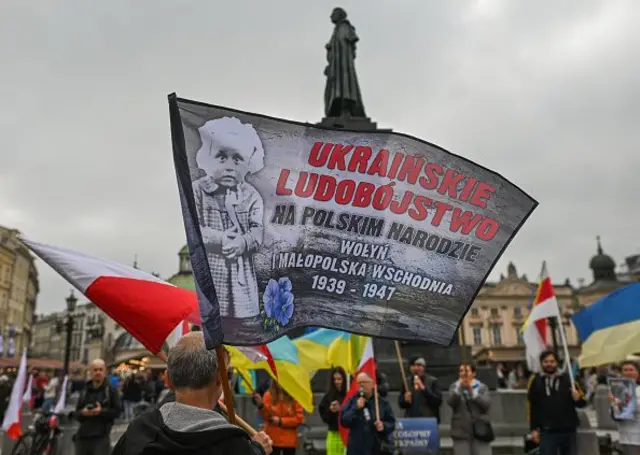
Important: The topic of the Volhynia tragedy remains the subject of various historical interpretations. This article provides information about Poland’s national day of remembrance, the procedures for observing it, and Poland’s official stance on this event.


