
Fed rate hike could intensify pressure on Pakistan’s rupee — Dawn
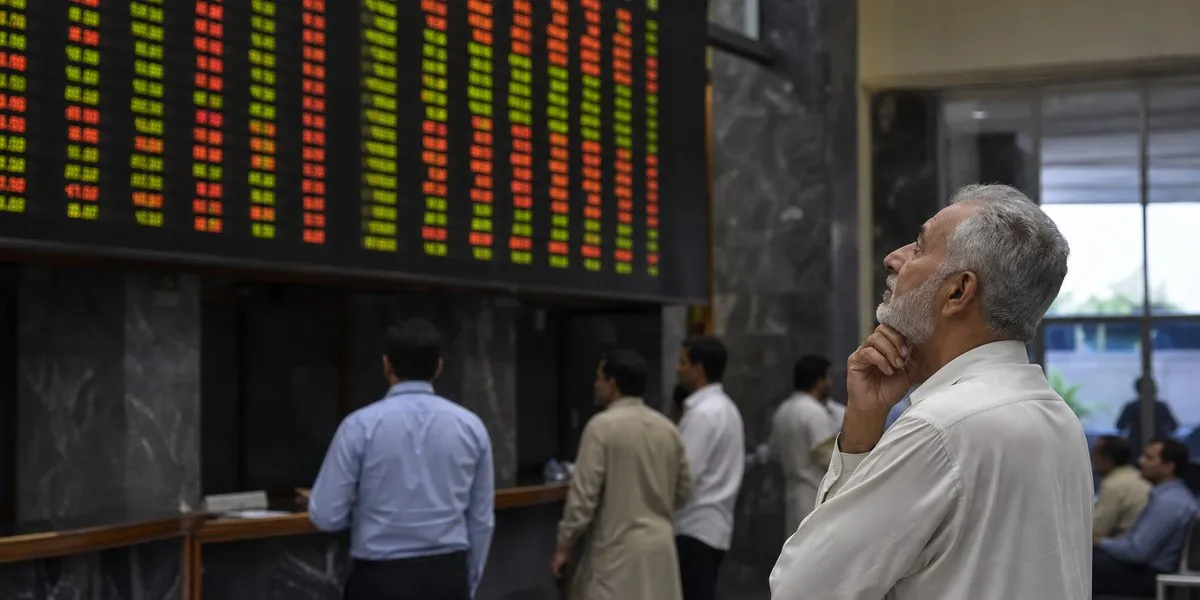
In Pakistan, analysts expect that the US Federal Reserve’s 25-basis-point rate hike could intensify pressure on the Pakistani rupee, complicate external borrowing and increase the cost of servicing dollar-denominated debt. This was the Fed’s first rate hike in three years, Dawn reports.
The Fed explained its decision by the fight against persistent inflation, which, according to the publication, was intensified by rising oil prices amid the US and Israel’s war against Iran. Fed Chair Kevin Warsh said the decision to raise rates was not driven by financial markets.
Pressure on the currency and borrowing
CNBC, citing experts, notes that the resumption of tighter US monetary policy could strengthen the dollar, increase pressure on other currencies and limit central banks’ ability to cut rates. Moody’s Analytics chief economist Mark Zandi told CNBC that the rate hike and signals of another such move are exerting some upward pressure on the dollar. On Thursday, the US currency reached a seven-week high.
Ammar H. Khan, an assistant professor of practice at the Institute of Business Administration, believes that Pakistan may eventually need to raise its own interest rate by 50–100 basis points or allow the rupee to weaken. JS Global head of research Waqas Ghani Kukaswadia also forecasts pressure on the rupee and tighter global financial conditions, which could make future external borrowing more expensive.
More current news is available on the UA.News Telegram channel Telegram.
Debt and oil prices
According to Kukaswadia’s assessment, Pakistan’s near-term financing is relatively protected because the terms of a $3 billion eurobond issuance in September have already been fixed. At the same time, he called high oil prices a more significant current risk due to their direct impact on import costs and the country’s external account.
Dawn journalist and columnist Khurram Hussain does not expect a significant effect on Pakistan because, in his view, the country’s exposure is not large. He suggested that external debt servicing costs would rise in line with the 0.25-percentage-point rate increase.
Financial analyst Jibran Sarfraz, by contrast, warned of a risk of capital outflows into higher-yielding US government bonds. In his view, this could reduce the supply of dollars, weaken the rupee and increase the cost of payments on Pakistan’s substantial dollar debt. He also pointed to the risk of accelerating inflation due to more expensive imports, including food.




