
The ferry between Helsinki and Stockholm has slowed down to save fuel
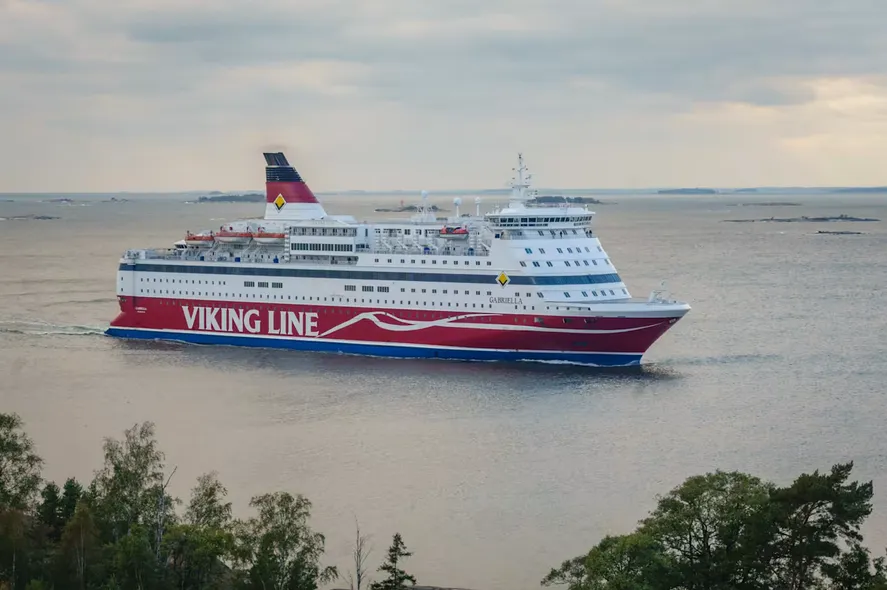
The shipping company Viking Line has announced an increase in travel time on the Helsinki–Stockholm–Helsinki route starting Monday, April 13. The decision was made to reduce fuel costs amid the energy crisis and the global rise in resource prices caused by the war in the Middle East.
This was reported by the Finnish media outlet Yle.
Company representatives noted that slowing down the ships’ speed is a better alternative to raising ticket prices for passengers, as every minute of travel at high energy prices significantly impacts overall expenses. Due to the change in speed, the schedule for the popular ferry has been adjusted: departures from the Finnish capital will now take place 15 minutes earlier (at 5:00 p.m.), and arrivals in Sweden will be 10 minutes later (after 10:00 a.m.). As a result, the total travel time will increase by 25 minutes, which will slightly reduce the time tourists and business travelers can spend in the cities.
Fuel savings through reduced speed are a common practice in shipping during times of economic instability, as water resistance increases non-linearly with higher speeds. At the same time, for the other popular route, Turku–Stockholm, travel time remains unchanged for now. Viking Line continues to monitor the energy market situation in Russia and other countries in the region to adjust its operations accordingly. The updated schedule is expected to remain in effect for the duration of the high fuel prices. Travelers are advised to check arrival times in advance to plan for connecting flights or meetings in the capitals. The company emphasizes that despite the longer travel time, the quality of onboard service will remain high. Such measures also help reduce carbon emissions, in line with the carrier’s environmental strategy. Passengers who have already purchased tickets for dates after April 13 will receive notifications regarding the schedule changes. The rest of Viking Line’s Baltic Sea routes are currently operating without significant deviations from standard schedules. The situation with oil prices continues to impact logistics chains across Europe. For many carriers in the region, energy efficiency has become a priority in 2026. Further changes to schedules will be announced on the operator’s official channels.
European Commissioner for Energy Dan Jørgensen warned of a prolonged energy crisis resulting from the conflict in the Middle East. He urged citizens to work from home, use cars and airplanes less, and called on European Union countries to urgently expand renewable energy sources.
The European Commission insists on ending the practice of charging higher fuel prices to foreigners in Slovakia. Brussels considers such measures discriminatory and is calling on the Slovak side to abandon this policy.
