
He Missed a Call from the Nobel Committee—How a Scientist Found Out About His Win
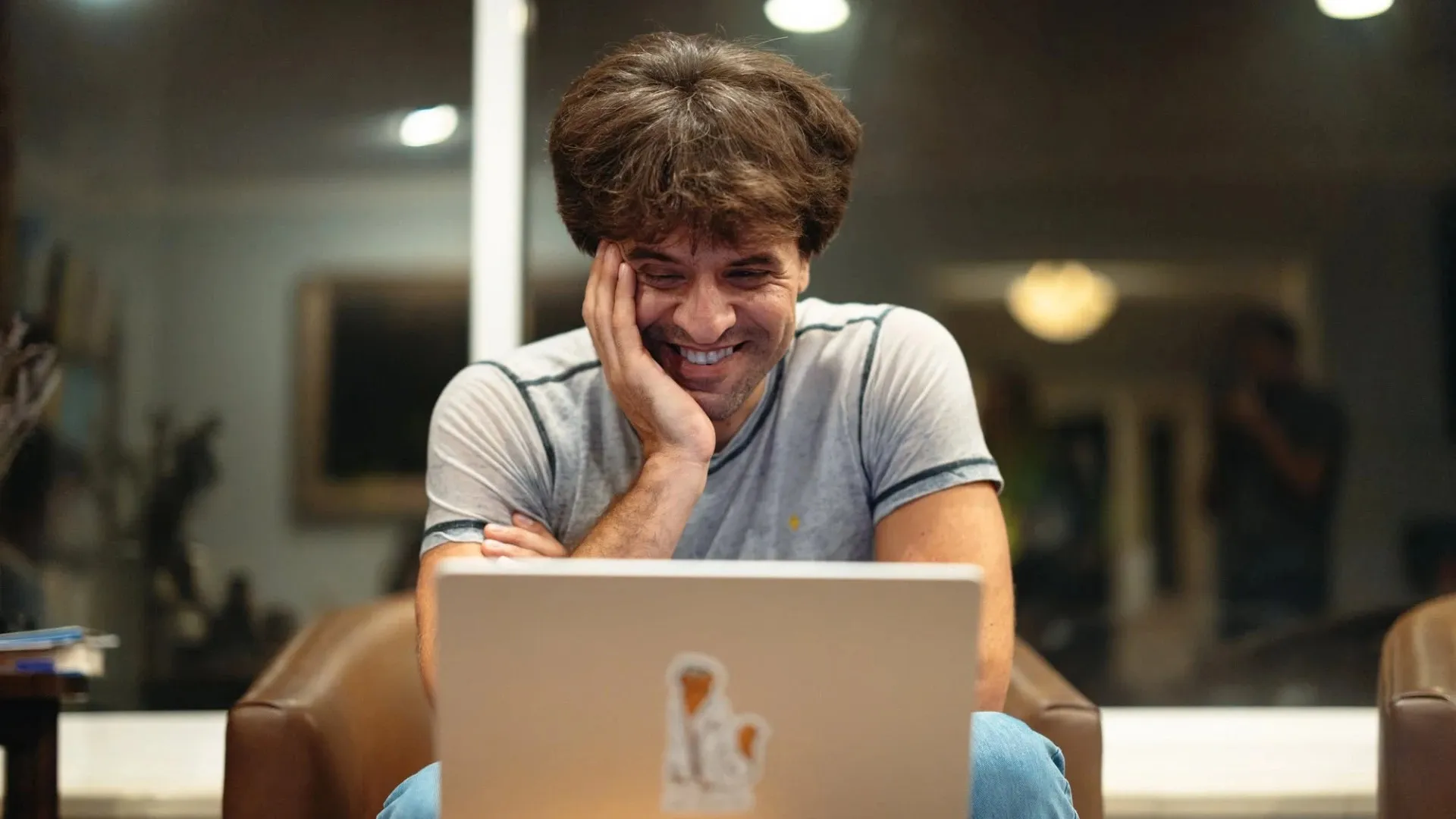
American scientist Karl Deisseroth missed the first call from the Nobel Committee when they tried to inform him that he had been awarded the prize in Physiology or Medicine. The scientist had just gone to bed after work, so they reached him through his wife. Just a few hours after receiving the news, he spoke with reporters and then asked for a break to make lunch for his children before school.
Karl Daisero, a 54-year-old professor at Stanford University, became one of three laureates of the 2026 Nobel Prize in Physiology or Medicine. He shared the award with German scientists Peter Hegemann and Georg Nagel.
They were recognized for discoveries that helped establish and advance optogenetics—a method that allows scientists to control the activity of nerve cells using light. It has become an important tool for studying brain function. But Daissrot learned of his win in a way that was quite unexpected.
He missed the main announcement
Daiseroit said that he often works well past midnight. That evening, he was reviewing scientific papers and corresponding with students. Afterward, the scientist went to bed. It was then that he received a call from the Nobel Committee in Stockholm. However, Daisero did not hear the phone ring and missed the call.
A few seconds later, the phone rang at his wife Michelle Monge-Daisserot’s house. The caller asked if they could speak with Karl. That’s how the scientist found out he had won the Nobel Prize.
The news stunned him so much that for a moment he couldn’t even speak properly. “I almost felt as if I’d lost the ability to form words,” Daisero told the Associated Press. He said that within a minute or two, he had regained his composure.
Nobel Prize for Brain Research
Dysseroth received the award along with Peter Hegemann and Georg Nagel for their research on light-sensitive ion channels and optogenetics. Simply put, their work gave scientists a way to turn the activity of individual nerve cells on and off using light. This allows for a much more precise study of how the brain works.
Daisero made a major contribution to the development of this approach. He worked with mammalian brain cells into which light-sensitive proteins—opsins—were introduced. Thanks to this, the activity of individual nerve cells could be controlled using light. For the scientist himself, this work has more than just academic significance. He is a psychiatrist by training and emphasizes that he is interested in the possibility of better helping people with mental and neurological disorders in the future. “I am a physician-scientist. I’m a psychiatrist. I care deeply about my patients with autism and depression. The hope this offers is important to me,” said Daisero.
At the same time, he emphasizes that he is also interested in basic science—that is, understanding exactly how the human brain works. “It’s important to me to understand this amazing organ—the brain—how it works, how it processes information, and how it creates everything that makes us human,” the scientist noted.
He Barely Slept After the Nobel Prize
After the prize was announced, Daiseroit was unable to get a good night’s sleep. For several hours, he accepted congratulations, answered calls, and spoke with journalists. He himself joked that he didn’t get any real sleep that night. “I didn’t get any real sleep,” the scientist said about an hour after the results were announced.
Around 3:30 a.m., a photographer and a videographer from the Associated Press arrived at his home in Stanford. Outside, they saw Halloween decorations, and inside the house, only one light was on. The photographer even thought he might have gone to the wrong address. But soon, Disserot’s wife, Michelle Monge-Disserot, opened the door.
She also works at Stanford University. Monge-Daisero is a researcher and pediatric neuro-oncologist. That night, she stayed by her husband’s side while he answered calls and gave interviews. While her husband was speaking with journalists, she also made coffee for the Stanford staff who had joined the late-night celebration. According to Monge-Daisero, she wasn’t at all surprised by her husband’s win. “I’m so happy. I know I’m biased, but he really has changed neuroscience—and, in fact, several other fields as well. I’m very proud of him,” she said.
After the celebration, it was time to get the kids ready for school
Despite all the congratulations and attention from journalists, the usual family chores awaited Dusserot in the morning. Around 6:30 a.m., he asked for a break of about an hour. His children were about to wake up, and he needed to pack their lunches before school. So the night, which began with a missed call and then brought the Nobel Prize, ended quite ordinarily for the scientist—by getting the children ready for school.
When a Stanford representative asked whether the nighttime commotion around the house bothered the neighbors, the scientist’s wife simply brushed off the suggestion. The family lives in a neighborhood for university faculty. “There are many Nobel laureates in this neighborhood,” explained Michelle Monge-Daisero.
That’s how the day began for Karl Daisero, the day he became a Nobel laureate. First, he missed a call; then he spoke with journalists for several hours; and by morning, he was back to his usual parental duties. The Associated Press reported this.




