
The actual poverty rate in Russia is nearly 40%, according to a study
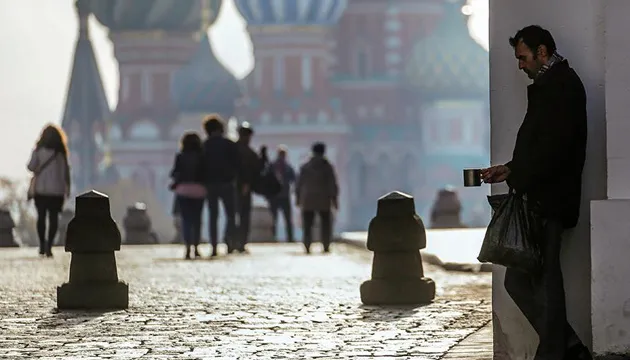
The actual poverty rate in Russia may be significantly higher than official figures and could be approaching 40% of the population.
This is evidenced by Rosstat data.
The share of citizens with incomes below the poverty line in 2025 fell from 7.1% to 6.7%. At the same time, the results of a Levada Center survey point to a different trend: the share of Russians who consider their income to be higher than the necessary subsistence minimum fell from 48% to 41% in March.
As noted, Russians’ perception of the “subsistence minimum” is more than double the official figures. According to Rosstat estimates, the poverty line in the fourth quarter was 17,100 rubles, and for the working-age population—18,600 rubles. In contrast, according to sociologists, the amount needed for a basic standard of living rose by 17% over the year.
According to estimates, nearly 40% of Russians had incomes below this subjective minimum in 2025. Specifically, 39.7% of the population earned no more than 45,000 rubles per month per person.
According to the survey, the average per capita income of Russian families was about 37,000 rubles per month, which is below the level that citizens consider sufficient for living. The median income is even lower.
At the same time, the amount that, in the opinion of Russians, allows one to “live normally” reached 80,100 rubles per person per month, which is 21% more than a year ago—the largest increase since 2009.
The survey also showed that a family with an average monthly income of 357,100 rubles per person is considered “wealthy,” and this figure has risen by 40% over the past year.
As a reminder, the Russian State Duma approved a budget with military spending one and a half times higher than social spending.
After two months of surplus, the Russian budget has returned to a deficit. In October, the Ministry of Finance spent 3.4 trillion rubles against revenues of 3 trillion. This led to an increase in the budget deficit from 3.8 to 4.2 trillion rubles over the first ten months.
The Russian economy is entering a prolonged recession, as companies increasingly report financial difficulties, cut costs, and postpone investments. By the end of the third quarter of , the main challenges for businesses were non-payment by counterparties, falling demand, and a shortage of working capital.
Meanwhile, since the end of 2024, annual economic growth in Russia has fallen from approximately 5% to zero. Analysts cite inflation, military spending, and falling oil prices amid Trump’s tariffs as contributing factors.
After three years of unexpected economic growth, Russia is facing a sudden slowdown—war costs, inflation, and falling oil prices have begun to weigh on an economy that until recently seemed resilient to sanctions.


