
Russia is waging a disinformation campaign against Armenia ahead of the elections
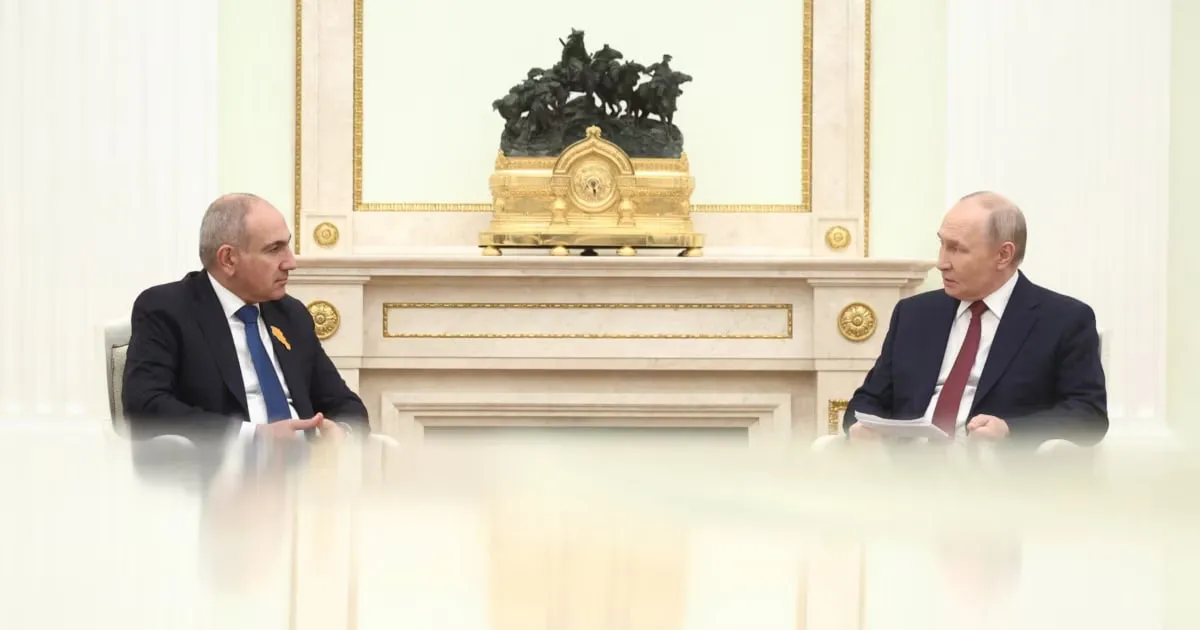
In the run-up to the June 7 parliamentary elections, Armenia has become the target of a large-scale disinformation campaign by Russia. This involves attempts to influence public sentiment and the political situation in the country ahead of the vote.
This was reported by Euronews.
In total, 343 fake videos had been published by early May, leading analysts to consider this operation one of the largest in recent years (following the campaign during the 2025 Moldovan elections).
According to researchers, the campaign began in early March and was part of “Matryoshka”—a pro-Kremlin disinformation operation that increasingly uses artificial intelligence.
Among the fabricated videos, the central narrative claims that a victory by pro-European Prime Minister Nikol Pashinyan could provoke a war between Armenia and Russia.
Bots are also spreading false claims on social media platforms such as X, attempting to undermine Pashinyan’s credibility.
Armenia and the EU
Cooperation between the European Union and Armenia is growing. In early May, the country hosted the first EU-Armenia summit, attended by European Commission President Ursula von der Leyen, European Council President António Costa, and French President Macron, among others.
Two months after the disinformation campaign began—and just a few days after the summit—Russian President Vladimir Putin threatened Armenia with a “Ukrainian scenario.”
On March 26, 2025, the Armenian parliament voted by an overwhelming majority to begin the process of EU accession, but Moscow has repeatedly accused the West of interference.
“Storm 1516”
Alongside the “Matryoshka” campaign targeting the elections, another pro-Kremlin disinformation campaign, “Storm 1516,” is also spreading false narratives aimed at Pashinyan.
Researchers describe “Storm 1516” as a Russian network of information manipulation designed to destabilize democratic institutions.
The campaign has been active since January and spreads false claims about Pashinyan’s campaign promises, as well as allegations that Pashinyan used $11 million in Eurasian Economic Union (EAEU) funds intended for digitalization to secretly finance his campaign.
“Russian campaigns are targeting Armenia for the same reasons they interfered in elections in Moldova and Hungary. They want to discredit pro-Western candidates and restore regional influence,” says Ella Murray, a digital influence analyst at Clemson.
In Russia, social benefits are being cut to increase payments to contract soldiers.
Russia’s economy is shrinking despite higher oil prices
Russia changed its polling methodology, and Putin’s approval rating immediately rose
Putin began talking about “ending the war” due to serious problems on the home front and at the front


