
Russia has lowered its forecast for natural gas production and exports in 2026
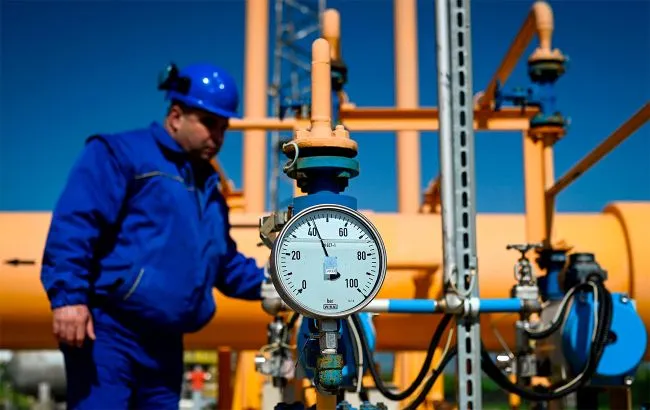
Russia has lowered its forecast for natural gas production and exports for 2026. According to Reuters, the Russian Ministry of Economy expects lower production than previously forecast, and its estimate for liquefied natural gas exports has been lowered even further. This comes amid reduced supplies to Europe and the EU’s plans to completely phase out Russian gas.
Russia has revised its expectations for the gas sector for 2026. The new forecast is lower across several key indicators.
Russia will produce less gas than expected
The Russian Ministry of Economy now forecasts that the country will produce 683.1 billion cubic meters of natural gas in 2026. This is 5.3 billion cubic meters less than the previous forecast, prepared in May.
At the same time, the new estimate still exceeds last year’s figure. In 2025, Russia produced about 662.7 billion cubic meters of gas. The new figures are to be used when adjusting the forecasts for the Russian federal budget through 2029. In other words, Moscow is already factoring slightly lower production volumes into its calculations than it had expected just a few months ago.
Liquefied natural gas (LNG) export projections have also been revised
Expectations regarding liquefied natural gas (LNG) exports have changed even more significantly. According to the new draft document, Russia may export about 35 million metric tons of LNG in 2026. At first glance, this is more than last year. In 2025, Russian LNG exports totaled about 30.3 million metric tons.
But Moscow’s previous forecast was significantly higher. It has now been lowered by approximately 5.3 million metric tons. In other words, Russia still expects LNG exports to grow, but not at the rate it had previously forecast. Reuters notes that Moscow also expects liquefied gas exports to increase in the future. At the same time, the new estimates indicate more subdued expectations regarding the pace of this growth.
Europe is buying less and less Russian gas
One reason for these changes is the sharp reduction in Russia’s energy ties with Europe. After Russia launched its full-scale war against Ukraine, EU countries began rapidly reducing their dependence on Russian gas. According to the European Commission, the share of Russian gas in EU imports fell from 45% in 2021 to 12% in 2025. In volume terms, Russian gas imports to the European Union fell from 152 billion cubic meters in 2021 to 36 billion cubic meters in 2025.
Reuters provides a different estimate specifically regarding Russian supplies to Europe and notes that last year they fell by 44%, to approximately 18 billion cubic meters. The difference between the estimates stems from the calculation methodology and which specific supplies are included. Just a few years ago, the situation was quite different. In 2018–2019, Russian pipeline gas exports to Europe totaled approximately 180 billion cubic meters per year.
The EU is preparing to completely phase out Russian gas
The European Union has already enshrined a gradual phase-out of Russian gas in legislation. The REPowerEU Regulation provides for a phased ban on imports of Russian LNG and pipeline gas. Russian LNG must be completely phased out of the EU market by the end of 2026, and imports of pipeline gas must cease no later than November 30, 2027.
This means that one of Russia’s largest traditional gas markets is gradually closing. At the same time, Moscow is trying to preserve the possibility of returning to the European market. Russian authorities have previously stated their readiness to resume gas supplies to Europe, specifically via the “Nord Stream” pipeline, if the appropriate conditions arise.
Russia Is Seeking Other Markets
Following the reduction in supplies to Europe, Russia is trying to redirect its gas exports to other destinations. First and foremost, Moscow is counting on Asian markets. However, it is not possible to fully replace the European market quickly, as this requires the necessary infrastructure—gas pipelines, LNG terminals, and new long-term contracts.
That is precisely why the downward revision of the forecast could be an important signal for the Russian gas industry. Moscow still expects growth in production and LNG exports compared to 2025, but its new projections are no longer as optimistic as they were a few months ago. For Europe, the situation looks different: the EU continues to reduce its dependence on Russian energy resources and is moving toward a complete phase-out of Russian gas. Reuters reports this, citing a draft of a Russian government document.
Kirill Dmitriev, a representative of Russian President Vladimir Putin, and the leadership of the German party “Alternative for Germany” (AfD) are preparing for a possible meeting at which they intend to discuss the resumption of Russian gas supplies to Germany.




