
Russian agricultural holdings are switching their machinery to natural gas en masse due to the fuel crisis
Large agro-industrial companies in the Russian Federation are forced to seek alternatives to diesel fuel due to its acute shortage and rapidly rising prices.
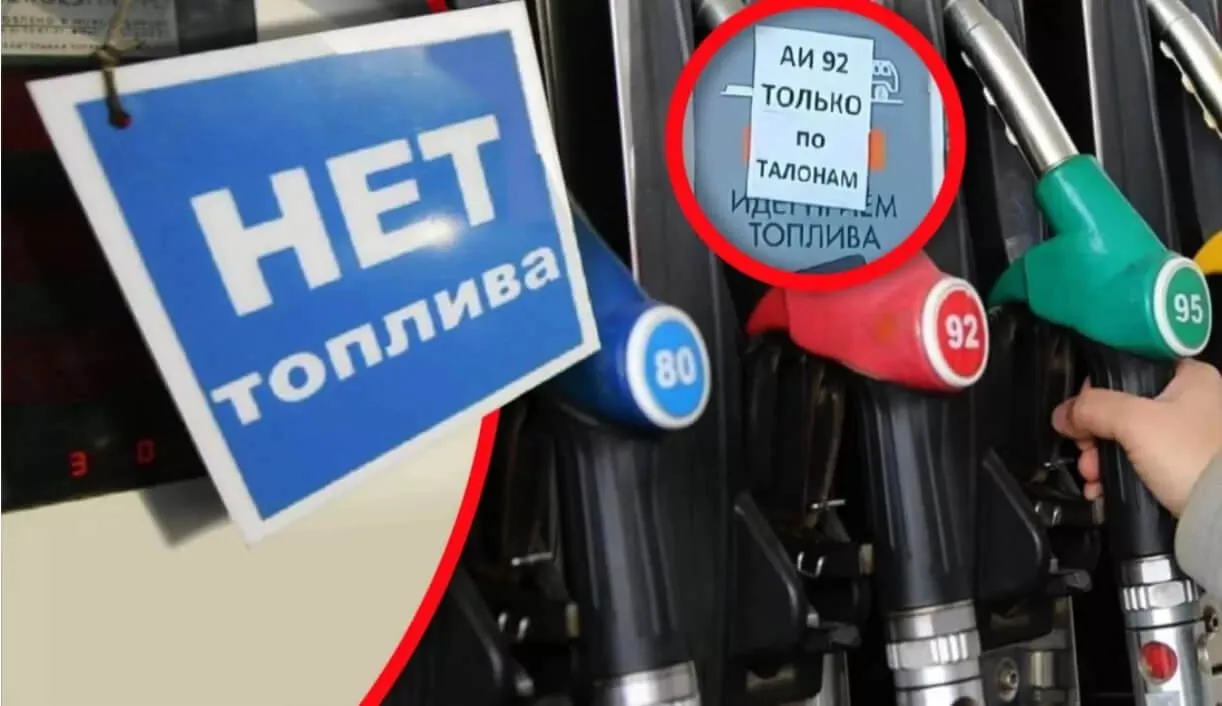
Agricultural holdings have begun converting their vehicle fleets to run on natural gas, a move that has become necessary amid the fuel crisis that has engulfed the country as a result of coordinated attacks on oil refineries.
For example, Miratorg has already converted about 300 trucks from diesel to gas, representing 90% of its entire fleet that could be converted.
Other market players, including Melkom, have also thoroughly explored the possibility of switching to natural gas, but have decided to allocate funds exclusively toward modernizing new vehicles rather than retrofitting older models.
At the Cherkizovo Holding, plans to convert the fleet to gas-diesel operation have been put on hold for now due to the high cost of the work.
According to the company’s estimates, retrofitting just one truck costs about 1 million rubles.
Ilya Bereznyuk, CEO of Agro and Food Communications, confirms the economic viability of such a transition.
According to him, “fuel costs account for 15 to 25% of the cost of crop production, and natural gas is 2 to 2.5 times cheaper for agricultural producers than diesel.”
Under these conditions, with intensive use of the equipment, the investment in conversion can pay for itself in less than three years.
Despite the financial advantages, farmers remain skeptical about widespread gasification, especially in the heavy agricultural machinery segment.
Industry sources note that a full-scale planting or harvesting campaign requires enormous amounts of fuel, which are much more difficult to secure due to the specific nature of gas storage.
The Kremlin denies there is a fuel crisis, despite hours-long lines at gas stations
Russian speculators are selling scarce gasoline at $6.5 per liter


