
Russian oligarchs are moving their capital abroad en masse because of Putin's policies
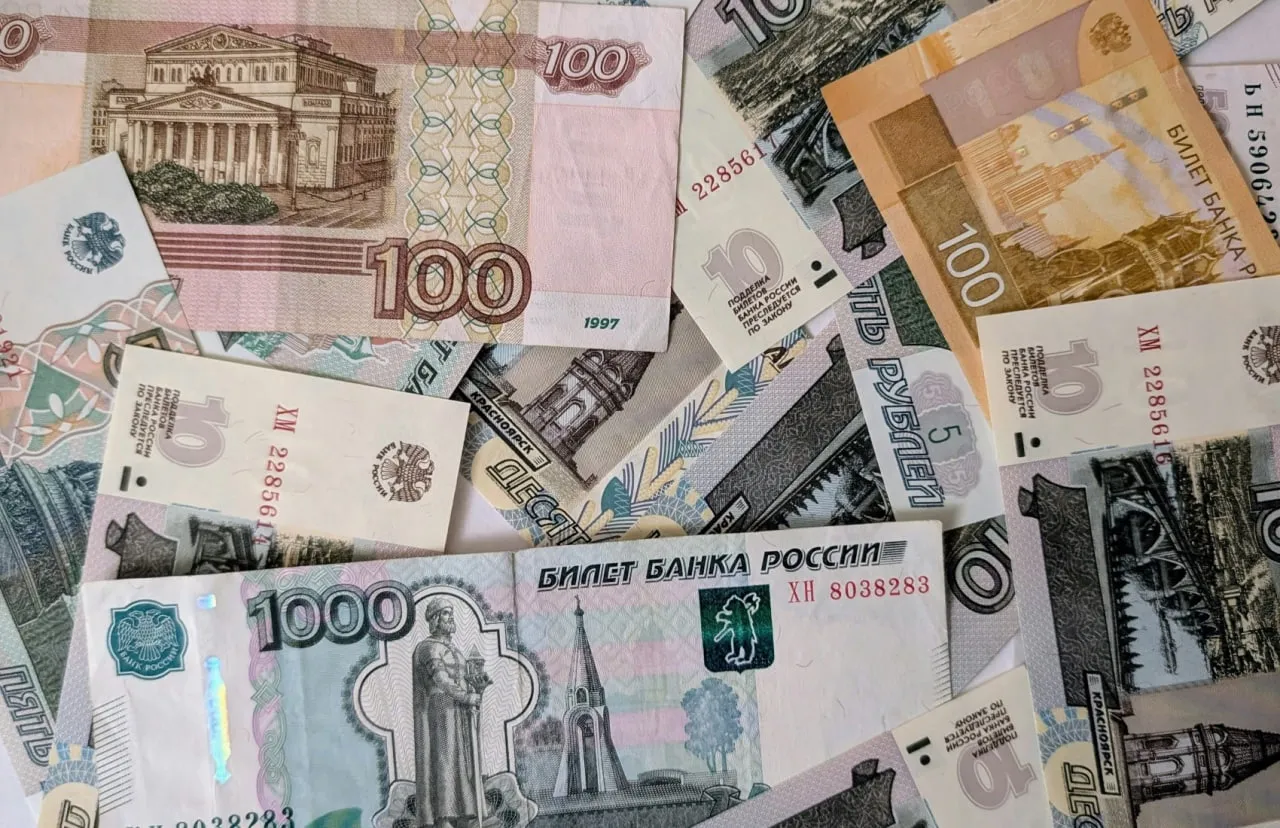
Russia’s wealthiest businesspeople, including members of Vladimir Putin’s inner circle, have been actively moving their assets out of Russia over the past year. According to sources, tens of billions of dollars have been transferred abroad amid growing economic and political risks.
Among the main reasons cited for this capital outflow are the deterioration of the Russian economy, the growing state budget deficit, and business concerns about the possible forced seizure of private assets for the benefit of the state. Fearing increased pressure from the Kremlin, major business leaders are trying to safeguard their wealth by transferring it to foreign jurisdictions.
According to the publication’s sources among Russian billionaires, high-profile cases of nationalization of large businesses have intensified the elite’s fear of losing their fortunes entirely. As a result, wealthy Russians have begun shifting their portfolios en masse into cryptocurrency, gold, overseas real estate, and private investment funds—primarily in the Persian Gulf countries.
According to conservative expert estimates, the volume of informal capital outflows from Russia since the beginning of 2026 alone has already reached tens of billions of dollars, significantly exceeding last year’s figures. In total, approximately $250 billion has been taken out of the country since the start of the full-scale invasion of Ukraine.
Increasing Pressure on Business and the Threat of Nationalization
Economic difficulties and the colossal costs of the war against Ukraine are forcing the Kremlin to seek new sources of revenue to fill the budget. Russian financiers have already warned the dictator that military spending has reached an “unsustainable” level. Against this backdrop, pressure on big business has intensified.
The situation escalated after a closed-door meeting of oligarchs with Putin in March, where billionaire Suleiman Kerimov proposed that the business community make a “large voluntary contribution” to the state budget to compensate for the privatization of the 1990s. Putin actively supported this idea.
In addition, the Russian Prosecutor General’s Office has launched a large-scale campaign of “deprivatization.” Last year alone, assets worth more than 4 trillion rubles (about $51.5 billion) were returned to the state. Among those who lost their assets due to pressure from the authorities are:
Vadim Moshkovich—founder of Ros Agro Plc, one of Russia’s largest agricultural holdings.
Konstantin Strukov—owner of a major gold mining company.
Dmitry Kamenshchik—who effectively lost control of Moscow’s Domodedovo Airport.
In response to these actions, Russian businesspeople began actively moving money to the UAE, Saudi Arabia, Turkey, Cyprus, Monaco, and African countries.
New Schemes to Circumvent Sanctions and the Banking Crisis in Russia
To move funds out of the country, the Russian elite are using new shadow routes that help them avoid both Western sanctions and Kremlin oversight. Dubai has become a key hub thanks to its loyalty to the cryptocurrency market.
Armenia, Kazakhstan, and Kyrgyzstan have also become popular transit zones. In particular, the A7A5 stablecoin—developed by A7 (owned by fugitive Moldovan banker Ilan Shor) in collaboration with the sanctioned Russian bank Promsvyazbank—is used for these transfers. In the first half of 2025 alone, this system processed transactions totaling 7.5 trillion rubles (about $96 billion).
The threat of a systemic collapse of Russia’s financial sector served as an additional catalyst for capital flight. As early as May, the pro-Kremlin Center for Macroeconomic Analysis and Short-Term Forecasting officially warned of signs of an impending deep banking crisis in the country due to the critical level of debt on financial institutions’ balance sheets.
This was reported with reference to a Bloomberg article.
Earlier, we also reported that Russian businesses are moving capital abroad, according to intelligence sources.
Intelligence: A new mobilization in Russia could trigger an economic crisis lasting for years.
Intelligence reportsnote a deterioration in the Russian economy despite external conflicts.
As a reminder, U.S. President Donald Trump confirmed that the Strait of Hormuz will remain blocked to Iranian exports until a comprehensive peace agreement is reached.
Ukraine is ready to deploy at least two mine-sweeping ships to the international operation to clear mines from the Strait of Hormuz.




