
Russian farmers have been offered heating fuel due to a diesel shortage
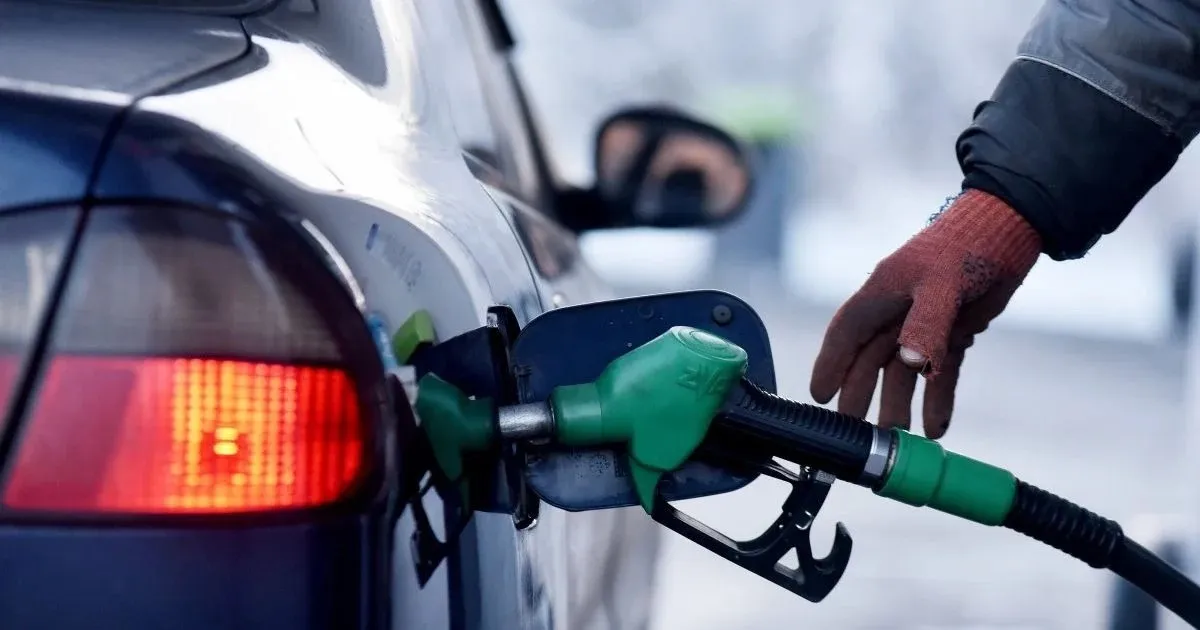
Amid a shortage of diesel fuel in Russia, farmers have been advised to use heating oil and high-sulfur diesel for their machinery. According to Russian media reports, the shortage worsened following Ukrainian drone attacks on Russian oil refineries.
A July 17 letter from Andrei Artikulov, director of the Department of Crop Production at the Russian Ministry of Agriculture, indicates that regional agricultural authorities were asked to assess farmers’ willingness to purchase heating oil and diesel meeting the "Euro-2" and "Euro-3" standards. The ministry noted that the Russian Ministry of Energy has confirmed the possibility of producing such fuel.
At the same time, representatives of the agricultural sector claim that such a decision is suitable only for outdated Soviet-era equipment. Modern imported tractors and combine harvesters require high-quality diesel fuel.
Kristina Romanovska, CEO of the “Lazarevskoye” breeding farm, emphasized that the use of heating oil in modern machinery is strictly prohibited, as it can lead to serious engine damage. According to her, increasing the sulfur content from 0.2% to 1% cuts the engine’s service life nearly in half, and repairs will cost significantly more than any savings on fuel.
According to data from the analytics firm Kpler, oil refining volumes in Russia fell to 4.1 million barrels per day in June—the lowest level in recent years. This was caused by regular strikes by Ukrainian drones on Russian oil refineries.
In an attempt to meet domestic demand, the Russian government restricted diesel fuel exports starting July 8. However, the problem of supplying farmers has not yet been resolved. On July 17, Russian Agriculture Minister Oksana Lut acknowledged that problems with diesel fuel supplies “on the ground” persist.
Due to the fuel shortage, regional authorities are already appealing to the federal government to increase diesel fuel quotas, and in some regions, additional mechanisms are being introduced to distribute it among agricultural enterprises.
The Russian Red Cross has begun building up additional humanitarian aid reserves for the temporarily occupied Crimea and Sevastopol following the declaration of a state of emergency on the peninsula.
On the temporarily occupied Crimean Peninsula, local residents report prolonged power outages, fuel shortages, rising prices, and problems with the functioning of social infrastructure. According to them, the situation is particularly dire in the northern regions of the peninsula.
As a reminder, Ukraine has claimed to have struck 19 Russian tankers carrying fuel for Crimea.


