
The “Woman, Life, Freedom” movement retains influence in Iran
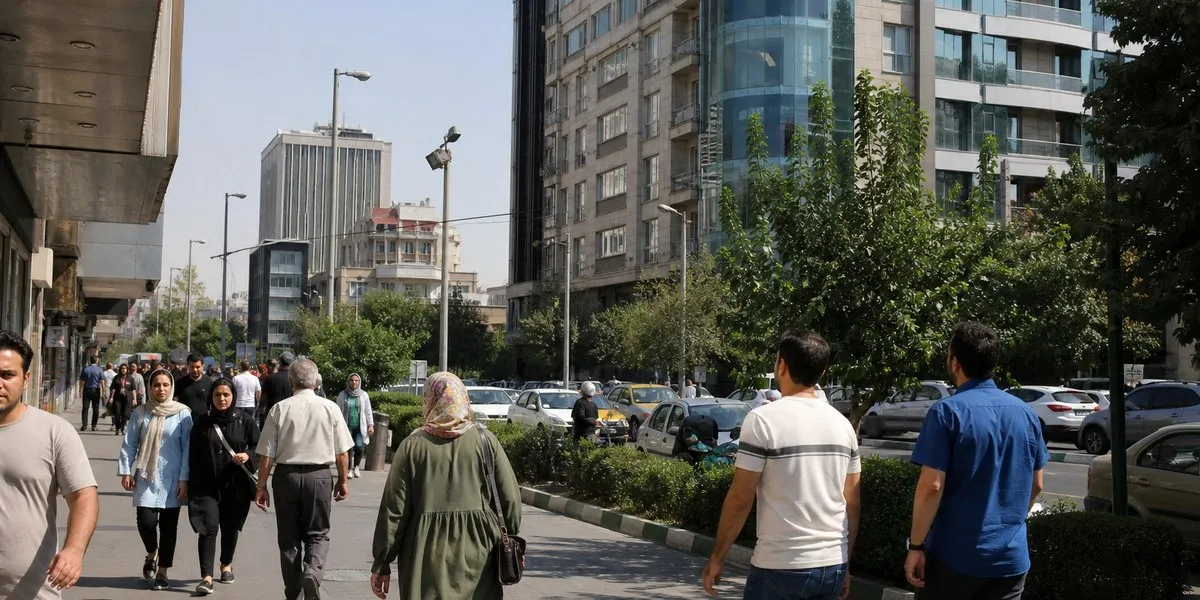
In Iran, four years after the death of Jina Mahsa Amini, which sparked protests under the slogan “Woman, Life, Freedom,” many young women openly do not comply with the requirement to wear a hijab in public places. At the same time, some politicians support a bill that, if adopted, could introduce significantly harsher penalties for violating this requirement, Deutsche Welle reports.
The 22-year-old Kurdish woman Jina Mahsa Amini died in a Tehran hospital on September 16, 2022. Before that, she was detained by Tehran’s morality police, who said that she had violated the requirement to cover her hair. According to DW, Amini’s death was announced three days after her detention.
Amini’s death triggered mass protests across the country. The demonstrations lasted for months, but Iranian authorities suppressed the movement through violent actions. Writer, poet and activist Pouran Nazemi called the “Woman, Life, Freedom” movement the biggest social and cultural change in Iran in decades. According to her, although the requirement to wear a hijab and state violence against the population have not been stopped, the protests helped many people realize their own power in society.
A stricter hijab law
A bill to strengthen liability for violating the requirement to wear a hijab has been under consideration for several years and has become the subject of disputes between state institutions. During a virtual parliamentary session on September 6, several lawmakers called on Speaker Mohammad Bagher Ghalibaf to send the document to the president for signing.
More current news is available on the UA.News Telegram channel Telegram.
A 17-year-old schoolgirl told DW that she does not think about wearing a hijab in public places. Like many other young women, she posts photos and videos on social media wearing bright skirts and summer clothing. Her mother also does not wear a hijab, but takes a scarf with her just in case, so that she can cover herself if necessary.
A long history of women’s resistance
Activist and writer Mansoureh Shojaee recalled that the struggle of Iranian women began long before the 2022 protests. In 2006, together with other activists and feminists, she launched the “One Million Signatures” campaign to change laws discriminatory against women. Campaign participants spoke with people about divorce, child custody, inheritance, courtroom testimony and polygamy.
From the outset, the campaign faced state repression: activists were summoned to police, arrested and prosecuted in courts. Those affected included Nobel Peace Prize laureate Shirin Ebadi, as well as human rights defender Narges Mohammadi, who received the Nobel Peace Prize in 2023. Shojaee left Iran in 2011 and now lives in the Netherlands.




