
SAL posts record quarterly revenue of $136.6 million — Asharq Al-Awsat
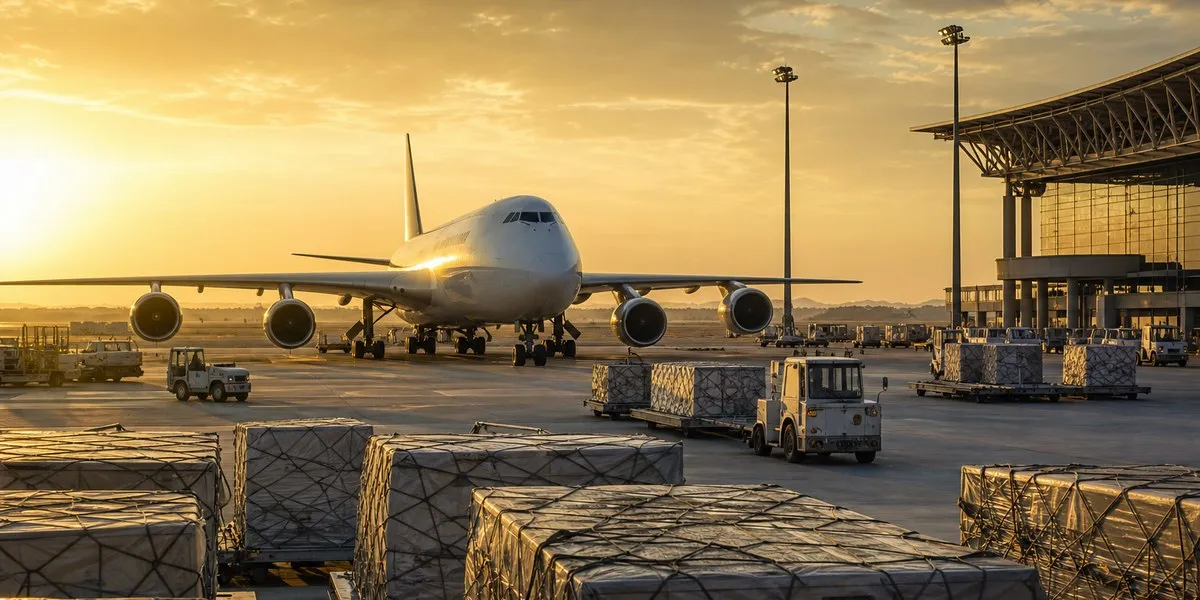
Saudi logistics company SAL recorded the highest quarterly revenue in its history in the second quarter of this year — 512.1 million Saudi riyals, or $136.6 million. This is 30% more than in the same period last year. The company’s net profit rose by 18% to approximately 191 million riyals, or $50.9 million, Asharq Al-Awsat reports.
In the first half of the year, SAL’s revenue increased by 23.1% to 957.9 million riyals, or $255.4 million. The report notes that demand for integrated logistics services is growing in Saudi Arabia amid industrial development, rising imports and infrastructure investment.
Demand for multimodal transport
Ryan Al-Bakri, CEO of SAL’s logistics business, said that transport reliability and the ability to quickly change routes and modes of transport are becoming increasingly important for customers. According to him, companies are more frequently interested in integrated solutions combining air, land and sea transport.
SAL does not view air or land transport as a direct replacement for sea transport, but rather considers them components of a single logistics system. The company is also working with SPARK Logistics to launch a land corridor between the Port of Sohar in Oman and the dry port at King Salman Energy Park.
More current news is available on the UA.News Telegram channel Telegram.
Infrastructure and automation
SAL’s priorities include expanding the operational capabilities of airports in the kingdom, developing logistics zones and investing in digital solutions and technologies to improve efficiency and speed up cargo handling. According to Al-Bakri, the company is expanding its international presence through the acquisition of Aviapartner Liège, which is expected to strengthen its customers’ links with one of Europe’s air cargo hubs.
SAL signed two memorandums with CIMC Middle East on potential cooperation in cargo handling systems, automation, robotics and autonomous transport. Separately, the company is working with Huawei Tech Investment Saudi Arabia to explore the use of artificial intelligence, 5G and cloud computing in logistics.
SAL is also developing specialized services for pharmaceutical, medical and temperature-controlled cargo. At the same time, the company believes that transport, insurance and energy costs, as well as geopolitical shifts in global trade, may affect the sector’s costs and profitability.




