
October 10, 2026 — Tree Day in Poland: How an Environmental Campaign Became a National Movement
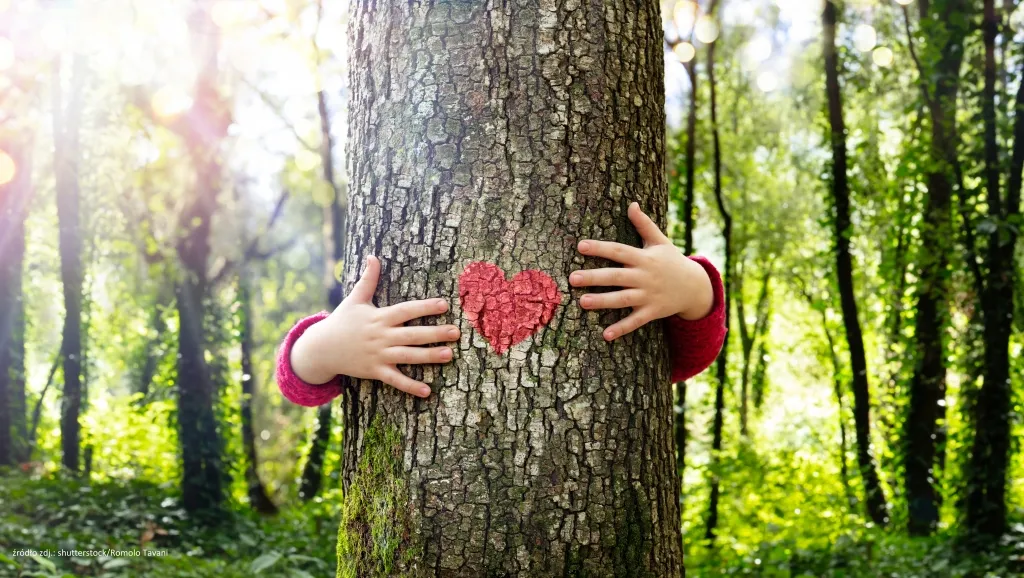
Every year on October 10, Poland celebrates Tree Day—an environmental initiative that encourages people to plant trees, protect forests, and care for green spaces in cities and villages. The program was launched by the environmental organization Klub Gaja in 2003, and over time it has grown into a nationwide movement involving schools, local communities, companies, and volunteers. On this day, people discuss not only new saplings but also how trees help nature, protect the environment, and make communities more livable.
In Poland, Tree Day, known in Polish as Święto Drzewa, is celebrated annually on October 10. It is an environmental campaign aimed at drawing attention to the importance of trees, forests, and the preservation of the natural environment. On this day, schools, organizations, businesses, and local communities hold events, plant saplings, and participate in environmental initiatives.

The festival isn’t limited to just planting new trees. It also serves as a reminder of the need to care for existing plantings, protect old trees, and use natural resources responsibly. After all, even a single tree can be vital to the local ecosystem.
How the Tree Day Celebration Began
The initiative was launched by the Polish environmental organization Klub Gaja. Its goal was to encourage people to take concrete actions to benefit the environment, rather than just talking about environmental problems. In 2003, the organization held its first large-scale event in Bielsko-Biała. Schoolchildren and members of the public joined in, and eventually more than a thousand schools became participants in the program. Over time, Tree Day has evolved into an annual educational and environmental program. It encompasses not only planting trees but also sorting and recycling paper, caring for green spaces, creating school gardens, and conducting nature lessons.

The idea of dedicating a special day to trees arose long before the Polish initiative. One well-known example is Arbor Day, which was established in the United States in the 19th century. In 1872, American journalist and politician Julius Sterling Morton proposed holding a day of mass tree planting in the state of Nebraska. Since then, similar events have spread to various countries around the world, although the dates and traditions of celebration may vary.
Why Trees Are Important for the Environment
Trees play a vital role in maintaining the natural balance. Through photosynthesis, they absorb carbon dioxide and release oxygen. In addition, trees trap some dust and other pollutants, and their canopies provide shade and help lower temperatures on hot days. The benefits of trees are particularly noticeable in cities. Green spaces make streets more comfortable for pedestrians, reduce surface overheating, and can help retain moisture after rainfall. Tree roots also help stabilize the soil and reduce the risk of erosion.

Trees provide a home or a food source for many species of birds, insects, and small animals. Old trees with hollows and branched canopies are particularly important for biodiversity. That is why conservationists emphasize that planting new saplings is no substitute for preserving mature trees, which may have taken decades or even centuries to grow.
How Poland Celebrates Tree Day
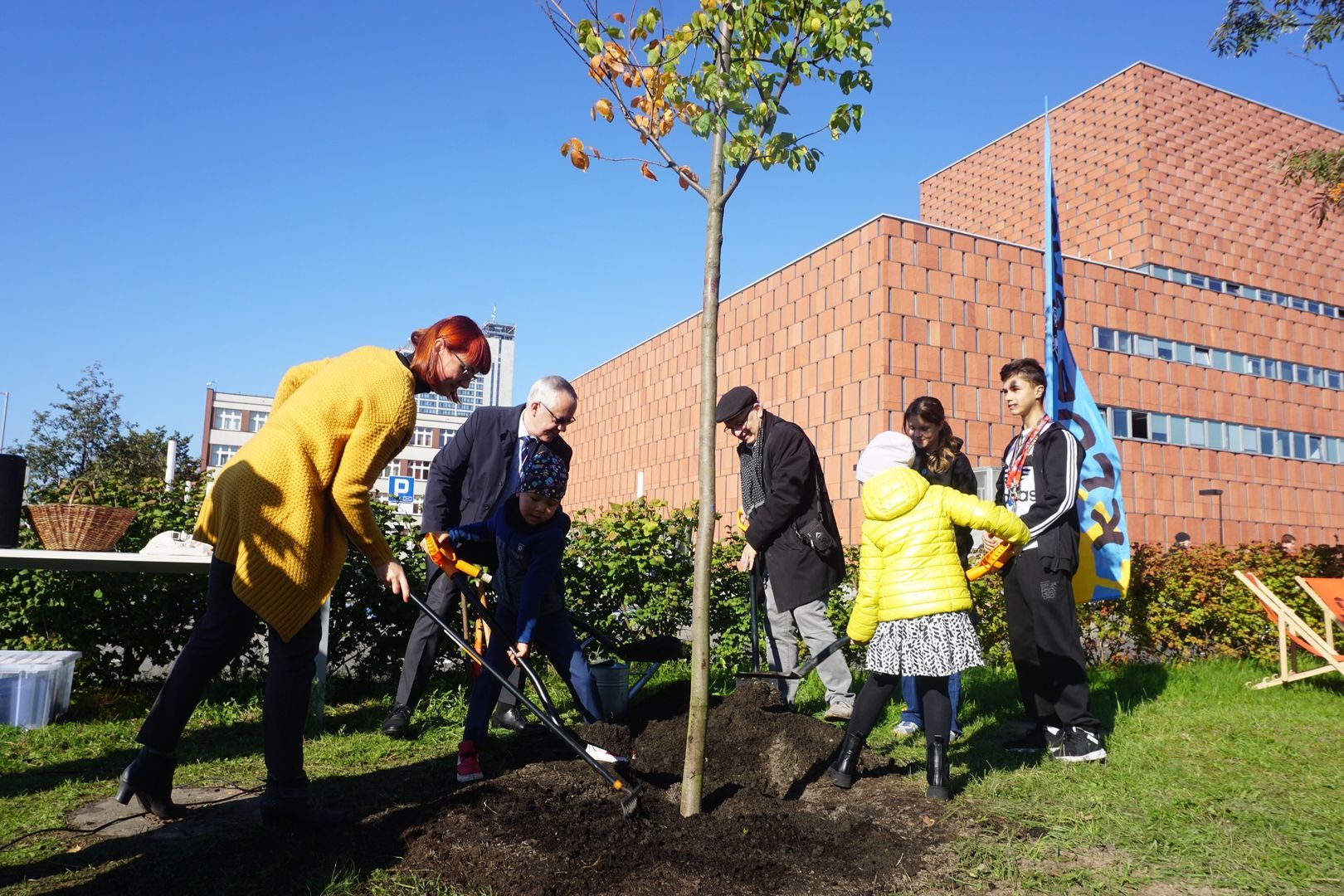
As part of Tree Day, community tree-planting events are organized throughout Poland. Schoolchildren, teachers, local government officials, company employees, and volunteers participate in these events. Trees are planted near schools, in parks, on community grounds, and in other locations where conditions are suitable for them. Schools often hold themed lessons, drawing and poster contests, environmental quizzes, and outdoor classes. Children learn how trees grow, which species are suitable for different areas, and why it is important not to damage young saplings. Such events help explain environmental issues through practical examples.

Another part of the program focuses on the responsible use of resources. Participants collect waste paper, discuss paper recycling, maintain green spaces, and organize local environmental campaigns. In some communities, they also hold events to create gardens and install birdhouses. Protecting existing trees also plays an important role. Organizers urge communities not only to plant new trees but also to monitor the condition of older trees, protect them during construction work, and prevent unnecessary tree cutting.
How to Plant Trees Properly
Simply planting a tree isn’t enough—you need to ensure it takes root and can develop properly. Before planting, it’s important to determine which species is suitable for the specific location, how much sun and moisture it needs, and how much space the mature tree will require. It’s also important to consider the planting site. Not every tree will thrive near a road, under power lines, or in an area with limited root space. In cities, it’s best to choose species that can withstand local climatic conditions and the specific characteristics of the urban environment.

Fall is often a favorable time to plant many deciduous trees, as the soil still retains heat and moisture evaporation is usually lower than in summer. However, the optimal time depends on the plant species, the weather, and soil conditions. After planting, a sapling needs watering and proper care, especially in the first few years. Organizers of environmental campaigns emphasize that it is better to plant fewer trees and ensure they receive proper care than to plant many saplings that will eventually wither. A responsible approach involves not only the planting itself but also monitoring how the plants take root.
What Results Has the Program Achieved?
According to Klub Gaja, over the first 20 years of the program, from 2003 to 2022, more than 780,000 participants joined. During this time, over one million trees and shrubs were planted. The organizers also reported collecting over 5,700 metric tons of recycled paper. The organization estimates that collecting and recycling paper has helped save approximately 96,900 trees. This calculation by the organizers themselves demonstrates how eco-friendly habits can complement direct conservation efforts.
The program also supports other tree-related initiatives. Among them is the “Tree of the Year” contest, which draws attention to individual trees that are important to local communities because of their history, appearance, or significance to the environment. Such projects help people see trees not just as part of the landscape, but as a natural and cultural heritage. In 2026, the Polish Forest Service announced the 24th edition of the Tree Festival. This year’s theme—“Climate-Resilient”—highlights the role of trees and forests in adapting to climate change.
Interesting Facts About Trees
Trees can live for decades, centuries, and even millennia. Their lifespan depends on the species, climate, growing conditions, and human impact. Old trees are often of particular value to the local ecosystem, as they provide shelter and habitat for many organisms.
Trees also influence the water balance. Their canopies retain some precipitation, and their roots help water penetrate the soil. This is important for urban areas, where large amounts of asphalt and concrete hinder the natural absorption of rainwater.
Another interesting fact is that trees can alter the perceived temperature around them. In hot weather, the shade from the canopy protects surfaces from direct sunlight, and water evaporation through the leaves helps cool the air. That’s why streets lined with mature trees are often more pleasant for walking in the summer than open spaces without greenery.
At the same time, new saplings cannot immediately provide all the benefits of a mature tree. A plant needs time to grow and develop a large canopy. That is why protecting existing green spaces is just as important as planting new ones.
How to Join the Tree Festival
Anyone who wants to can join the Tree Festival. You don’t have to take part in a large organized event to do so: you can plant a tree on your own property, help care for saplings in a park, or join a local environmental initiative. Before planting, check whether planting trees is permitted in the chosen area and consult with experts about suitable species. If it’s a public space, it’s best to contact local authorities or an organization involved in greening efforts.

There are other ways to support environmental causes: recycle paper, avoid damaging trees, protect green spaces, and participate in clean-up efforts in natural areas. It’s also important to explain to children why trees need protection and how daily habits affect the environment. Tree Day in Poland serves as a reminder that caring for nature involves concrete actions. Planting saplings, caring for mature trees, and using resources responsibly help preserve green spaces for future generations.




