
Syria reviews terms for Russia and draws US business — Jerusalem Post
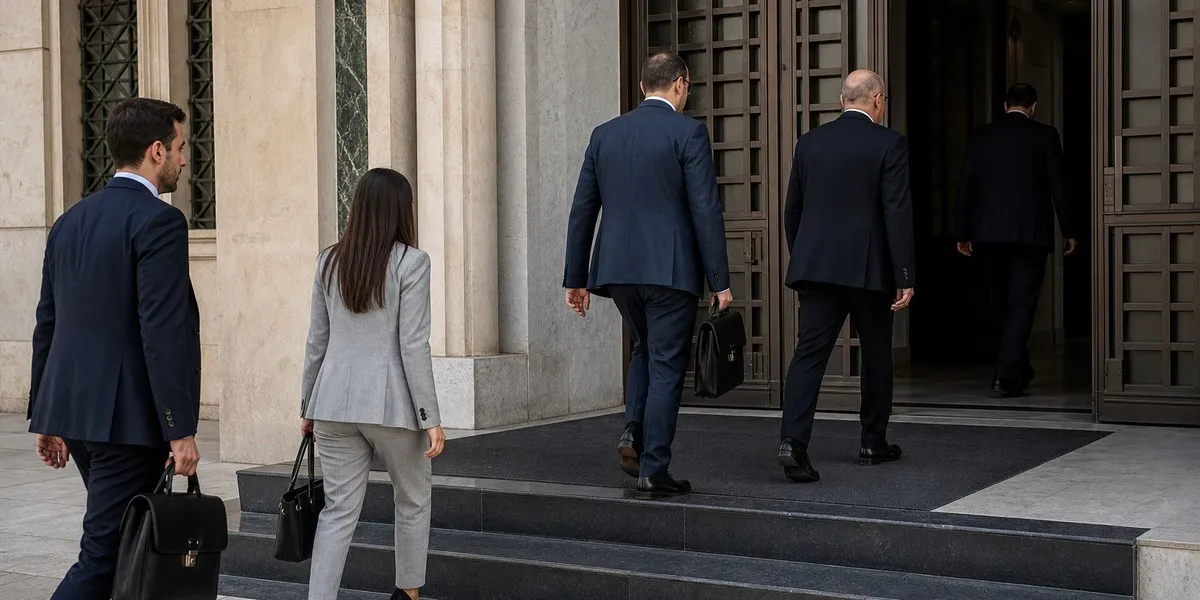
On September 7, four Russian vessels arrived at the port of Tartus in Syria to supply facilities on the country’s coast that are still used by Russia, an aggressor state. Meanwhile, representatives of about 50 American companies discussed investments with officials in Damascus. This was reported by the Jerusalem Post. Damascus is reviewing the terms of Russia’s military presence while simultaneously developing economic ties with the United States.
New terms for Russian facilities
According to the publication, the convoy of four Russian vessels was the first such operation after Damascus and Moscow reached a new understanding in August regarding the future of the Russian presence in Syria. Satellite images and reports from the scene confirmed the vessels’ arrival, but neither the Syrian nor the Russian side disclosed the cargo’s contents.
The talks lasted about 18 months and concluded with a memorandum on revising the status of the facilities in Tartus and Hmeimim. Under its terms, the Syrian state assumes control over civilian infrastructure, including civilian operations at Hmeimim Airport and the commercial pier at the Port of Tartus. The military facilities are to be transformed into joint training and capacity-building centers where the Russian presence will remain.
Mahmoud Hamo al-Hamza, an expert on Russian political affairs, described the current relationship between Moscow and Damascus as pragmatic rather than strategic. In his assessment, certain areas of military cooperation, including training, arms supplies, and security interaction, may remain, but they must be based on Syria’s independent decision.
More current news is available on the UA.News Telegram channel Telegram.
American business in Damascus
At the same time, the first mission of the U.S. Chamber of Commerce to Syria arrived in Damascus: more than 80 participants representing 50 companies from various sectors. They held meetings with government officials and business representatives on investment, trade, and possible partnerships in energy, telecommunications, and financial services.
U.S. Deputy Assistant Secretary of State Jacob McGee said that Washington encourages American companies to invest in Syria. According to him, Chevron, HKN, Visa, and Mastercard have begun entering the Syrian market or have concluded agreements with Syrian entities. In 2025, the United States terminated its comprehensive sanctions program against Syria while retaining targeted restrictions against specific individuals and organizations. On August 24, Washington also removed Syria from the list of state sponsors of terrorism.
Energy dependence and protests
In August, Reuters reported that Damascus expressed readiness during contacts with Washington to substantially reduce imports of Russian oil. At that time, Syria imported about 60,000 barrels of Russian oil per day. Political analyst Mohammad Alaa Ghanem believes that Western investment could provide the country with alternatives in energy, trade, finance, and reconstruction.
This month, higher fuel prices triggered protests in Syria, road blockages, tire burnings, and disruptions to the movement of some tanker convoys. The Energy Ministry linked the price increase to rising import costs, dependence on external supplies, pressure on Russian deliveries, and repairs at the Baniyas oil refinery. The government later announced lower diesel prices for heating, agriculture, and industry.


