
Norfolk morepork owl faces extinction due to inbreeding — ABC News Australia
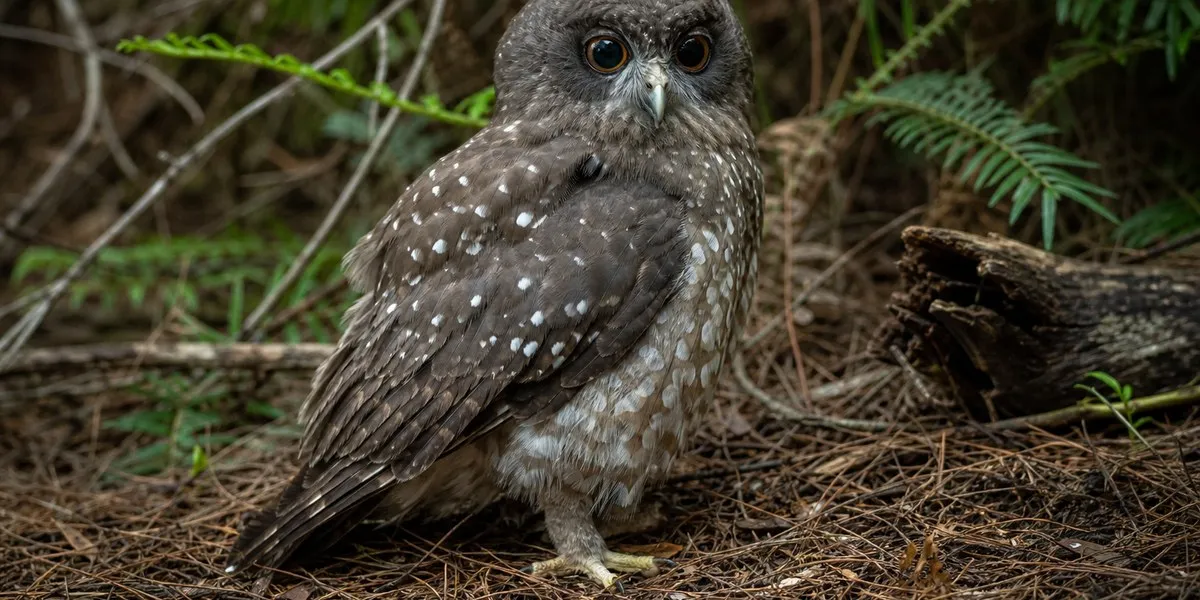
On Norfolk Island in Australia, the rare morepork owl may disappear unless birds from New Zealand are relocated there to restore genetic diversity. An estimated 25 owls now remain on the island, ABC News Australia reports.
The Norfolk morepork, also called the Norfolk boobook in Australia, descends from a single female after nearly disappearing in the 1980s. In 1988, a male morepork from New Zealand — a close relative of the Norfolk owl — was brought to the island. According to Norfolk Island scientific ranger Ellie Andersen, breeding rates increased after that relocation, and by the late 1990s the population had reached about 50 birds.
Few chicks and high relatedness
Population growth later stopped because of inbreeding, Andersen said. According to her, there are sometimes years when rangers observe no owl breeding. She called the small population size and high level of inbreeding its greatest threat.
Monash University ornithologist Rohan Clarke said that without the relocation of new birds, the situation could deteriorate significantly over the next 10 years. He noted that infertility and other reproductive difficulties are typical manifestations of inbreeding depression in populations that have undergone a sharp decline in numbers.
More current news is available on the UA.News Telegram channel Telegram.
A 2021 study estimated the number of these owls at about 26 individuals, with many of them believed by experts to belong to an older generation. Clarke estimated that among approximately 15 pairs, there may be only one breeding pair.
A possible new relocation
Another threat is secondary poisoning from chemicals intended to control rats and house mice. Clarke stressed that the loss of even one adult bird could significantly affect such a small population.
Public consultations on Norfolk Island regarding a possible new relocation have already concluded. However, before it can take place, discussions are needed with Māori as traditional custodians and with conservation agencies regarding possible biosecurity risks. Parks Australia said that significant environmental, genetic and practical issues must be resolved before such a step is implemented.


