
The U.S. is preparing for a sharp increase in Tomahawk production
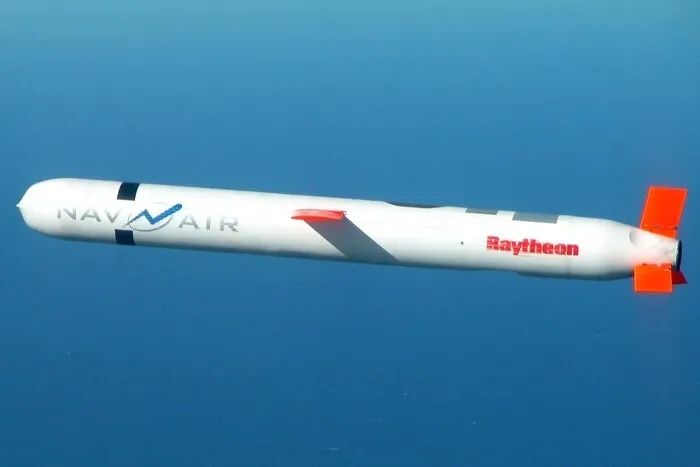
The U.S. has signed a seven-year, $22.9 billion contract with Raytheon that is expected to significantly increase production of Tomahawk cruise missiles. This will involve raising production from the current level of approximately 60 missiles per year to over 1,000. Officials in Washington cite the need to quickly replenish stocks of precision-guided weapons and strengthen the capabilities of the U.S. military.
The U.S. Armed Forces announced the signing of a major deal with Raytheon, a subsidiary of the defense corporation RTX. The contract is for seven years, and its total value is $22.9 billion. The main goal of the deal is to dramatically increase the number of Tomahawk missiles produced for the U.S. military. At the current rate, the industry produces about 60 such missiles per year. After expanding production, this figure is expected to exceed 1,000 units per year.
In other words, this is not just about increasing the order volume, but about a large-scale expansion of production capacity. To achieve this, the company will need to invest in new equipment, production lines, and other facilities.
Why Washington Is Increasing Production
The decision stems from the need to replenish U.S. stocks of precision-guided weapons. The U.S. military has used a significant number of various types of missiles during operations in recent years, so replenishing stocks has become one of the Pentagon’s priorities. Acting U.S. Secretary of the Navy Hung Kao stated that the American defense industry must rapidly increase ammunition production.
“We have called on the industry to rapidly increase ammunition production, and RTX is rising to the challenge. This landmark contract to supply Tomahawk missiles ensures that our service members will continue to have the destructive firepower they need,” Cao said. According to him, it is important for the U.S. military not only to have a sufficient number of missiles now but also to ensure a stable supply in the future.
What We Know About the Tomahawk
The Tomahawk is a U.S. long-range cruise missile used to strike ground targets. It can be launched from ships and submarines and is designed for high-precision strikes over long distances. The missile has become one of the most well-known types of U.S. long-range weapons. The Tomahawk has been used in various military operations by the U.S. and its allies for several decades.
One of the Tomahawk’s key features is its ability to strike targets far from its launch site. This is why these missiles are of vital importance to the U.S. Navy and the overall strategy of the U.S. Armed Forces. Increasing production to over a thousand units per year would represent a significant change from current production rates. The U.S. side wants to be able to replenish its stockpiles more quickly and maintain the necessary number of missiles in its arsenal.
The contract has been in the works since February
The current agreement marks the final stage of negotiations between the Pentagon and Raytheon, which the parties reached back in February. At that time, the U.S. Department of Defense agreed with the manufacturer on a large-scale expansion of the Tomahawk program. The seven-year contract gives the company greater confidence in future orders. This is important for the defense industry, as a sharp increase in production requires significant investment even before the new missiles begin rolling off the assembly line.
Raytheon will be able to invest in additional equipment, production lines, and capacity expansion, knowing that the U.S. military will have a long-term need for these missiles.
Trump is banking on major defense contracts
The contract with Raytheon is part of a broader strategy by the administration of U.S. President Donald Trump. Washington is seeking to enter into long-term agreements with major defense companies so that they can expand production more quickly. For the U.S. government, this is also a way to reduce the time needed to replenish ammunition stocks. Instead of short-term orders, defense contractors receive multi-year contracts that allow them to plan production years in advance.
In this way, the U.S. is simultaneously trying to replenish its own stockpiles of precision-guided weapons and build a more robust industrial base capable of rapidly producing large batches of missiles if necessary. This was reported by Reuters.
As a reminder, the Orsk oil refinery in the Orenburg region of Russia has completely halted operations following an attack by Ukrainian drones.
As a reminder, the Russian oil refinery “Orsknefteorgsintez” halted oil processing following an attack by Ukrainian drones on August 11.
Video: The refinery caught fire after the attack in Orsk.


