
US warns UN Security Council of risk of war spreading in Sudan
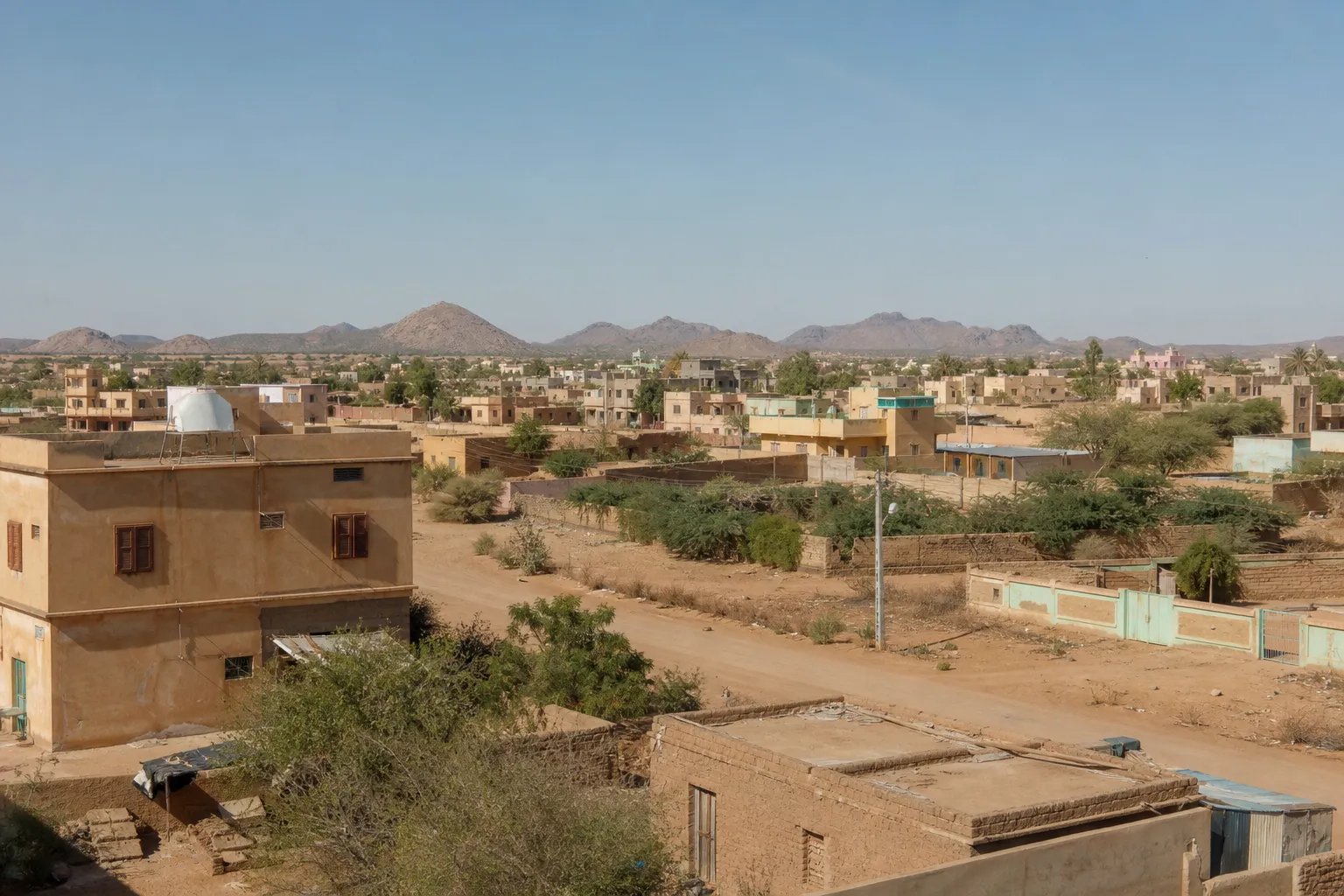
The United States warned the UN Security Council that the war in Sudan could spill beyond the country’s borders, intensify the conflict and draw neighboring states deeper into it. Massad Boulos, the senior adviser to the US president for Arab and African affairs, conveyed this concern to the Security Council amid reports of cross-border strikes, mutual accusations by Sudan and Chad, and military movements near the border with Ethiopia, Asharq Al-Awsat reports.
Boulos also spoke with Chadian President Mahamat Idriss Deby after reports of a military strike on the country’s territory. According to the adviser, the interlocutors expressed deep concern that the war could spread beyond Sudan, threatening regional peace and stability. They called for an end to external support for the parties to the conflict.
External support for the parties
The UN fact-finding mission concluded that weapons, military technology, fighters and external supply networks are helping prolong the war and strengthening the capabilities of both sides. It described a cross-border network linked to individuals, organizations and countries which, according to its findings, provided the Rapid Support Forces with weapons, equipment, logistical assistance and foreign personnel.
The countries concerned by these accusations deny them and declare neutrality and support for peace efforts. At the same time, the UN mission noted that its investigation into possible sources of external support for the Sudanese army is at an early stage.
More current news is available on the UA.News Telegram channel Telegram.
Crisis management and negotiation expert Amin Ismail Majzoub considers a direct military clash between Sudan and neighboring countries unlikely. In his view, a more likely scenario is an intensification of the proxy war through financial and military assistance, the use of mercenaries and armed groups.
Tensions near the borders
One of the most alarming areas is Blue Nile State near the Ethiopian border. In reports based on satellite imagery and open-source analysis, Yale University’s Humanitarian Research Lab pointed to the buildup of brigade-scale military support at an Ethiopian National Defense Forces base in Assosa and linked it to Rapid Support Forces activity. If a presence connected to the war in this area is confirmed, it could create conditions for a new border front near the city of Kurmuk.
In the west, tensions are centered around Chad, which has a long border with Sudan’s Darfur and tribal ties on both sides of the border. The head of Sudan’s Sovereign Council and army commander, Abdel Fattah al-Burhan, accused N'Djamena of facilitating support for the Rapid Support Forces. Chad denies that its territory or airports are used to transfer weapons.
South Sudan may be the most vulnerable to the consequences of the war, as its economy depends on oil exports through Sudanese infrastructure and ports. The risks also affect Uganda, Kenya, Egypt and Eritrea due to possible refugee flows, border security, trade and regional rivalry.


