
The U.S. has spent more than $27 billion in three weeks of war against Iran
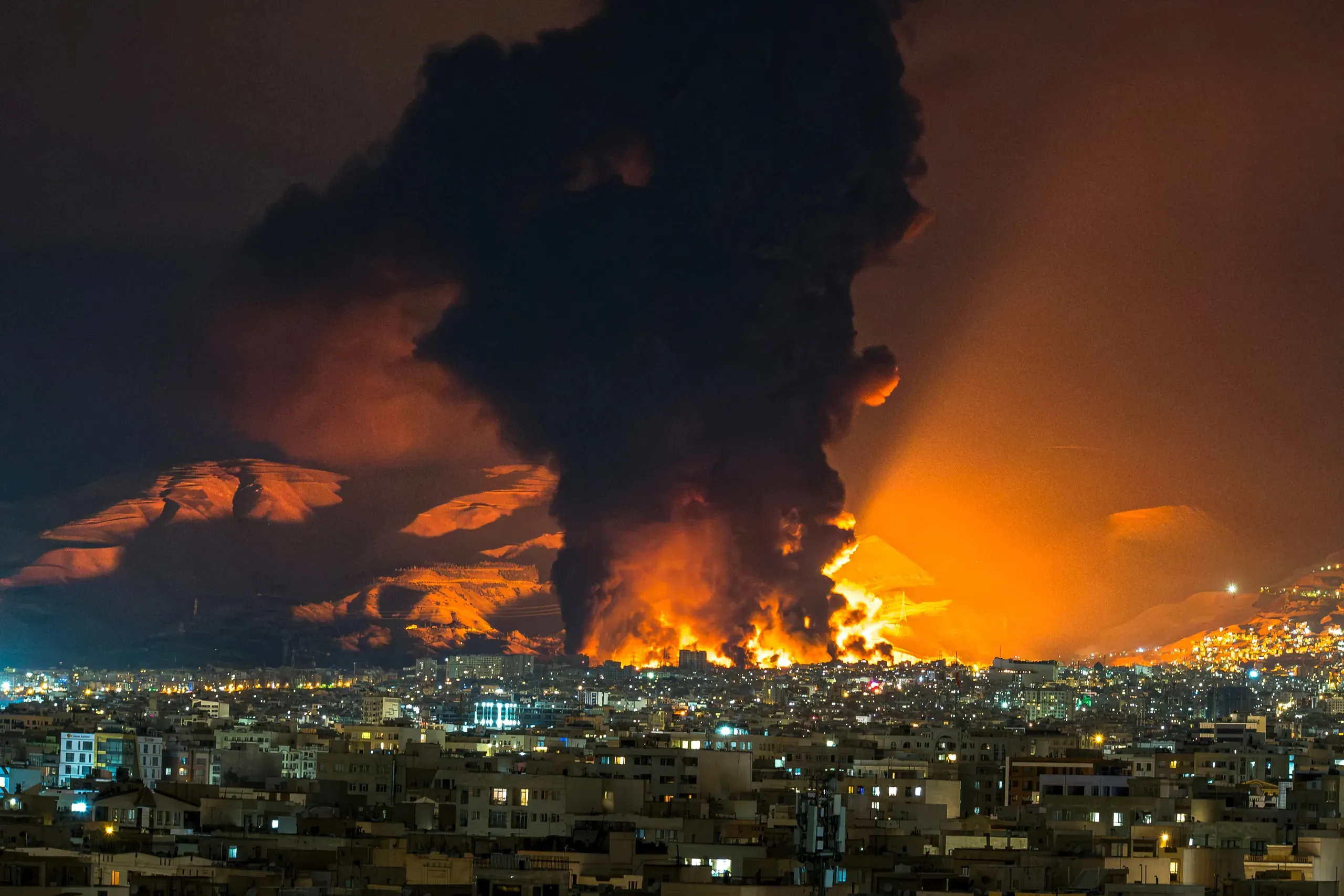
The U.S. military operation against Iran, now in its 22nd day, has cost the U.S. budget more than $27 billion.
According to data from the analytical portal Iran War Cost Tracker as of March 22, 2026, the first six days of intense combat operations cost $11.3 billion, and each subsequent day of the active phase adds about $1 billion to the expenses. This high cost is due to the massive use of precision-guided munitions and intensive airstrikes as part of Operation Epic Fury, aimed at destroying Iranian military and energy infrastructure.
The Pentagon is currently preparing a request to Congress for an additional $200 billion in emergency funding to replenish missile stocks and support further offensive operations. President Donald Trump called this amount a small price to pay for ensuring national security, but skepticism is growing in the U.S. Congress regarding the appropriateness of such spending amid domestic economic challenges. Official cost figures could be significantly higher, as current estimates do not account for the costs of repairing damaged equipment, treating wounded service members, and the long-term deployment of carrier strike groups in the region.
The situation in the Middle East remains critical due to the ongoing exchange of strikes and the threat of a complete blockade of the Strait of Hormuz by Iranian forces. While the U.S. is increasing its military presence, Russia is exploiting geopolitical instability to advance its own interests in the oil market, further complicating a diplomatic resolution of the conflict. Experts note that at the current rate of funding, the war against Iran could become one of the most expensive U.S. military campaigns in recent decades. Meanwhile, Tehran is threatening to strike American bases and allies’ energy facilities, forcing Washington to spend millions of dollars daily on operating Patriot and THAAD air defense systems to intercept Iranian missiles. It is predicted that further escalation surrounding the fuel and energy sector will lead to a new round of rising global energy prices and an increase in the budget deficits of coalition member countries. Against this backdrop, the Trump administration is trying to maintain the momentum of the operation, claiming a significant degradation of Iran’s military capabilities, despite the colossal financial costs.
U.S. President Donald Trump issued an ultimatum to Tehran, demanding that the Strait of Hormuz be fully opened within 48 hours.
As a reminder, Tehran began allowing commercial vessels to pass through the Strait of Hormuz only for a fee.
In addition, French President Emmanuel Macron announced the start of consultations with key partners on establishing a UN mechanism to ensure the security of the Strait of Hormuz.
Recall that war in the Middle East threatens global food security, according to Al Jazeera.
Donald Trump stated that after the “demise” of the Iranian regime, control of the Strait of Hormuz should be assumed by American allies. He criticizes Europe for its unwillingness to send ships to escort tankers. The U.S. is prepared to leave patrolling to its allies if Iran falls.
