
Holiday on August 12, 2026 — World Calligraphy Day
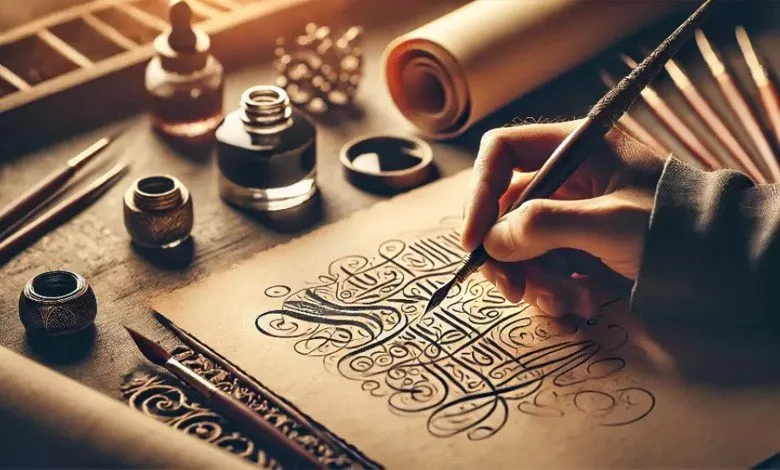
August 12, 2026, marks World Calligraphy Day—a celebration of the art of beautiful handwriting, which combines precision, creativity, and the unique character of handwritten text. It was established in 2017, and the second Wednesday in August was chosen as the date for the celebration. This day serves as a reminder that even in the age of smartphones, keyboards, and artificial intelligence, handwritten letters have not lost their unique beauty.
World Calligraphy Day is dedicated to the art of writing not just legibly, but beautifully and expressively. Calligraphy transforms ordinary text into a visual composition where the shape of the letters, the thickness of the lines, the spacing between words, the slant, and even the rhythm of the pen’s movement all matter. In 2026, the holiday falls on Wednesday, August 12. It is celebrated annually on the second Wednesday of August.
The holiday was created to encourage more people to take an interest in calligraphy and try their hand at this art form. The idea originated with the British Manuscript Pen Company, which launched World Calligraphy Day in 2017. The organizers wanted to bring together professional calligraphers, artists, designers, and those just beginning to explore the art of beautiful writing. It is not a national holiday or an official day off. Rather, it is a cultural and creative event. On this day, people can simply pick up a pen, quill, or brush and try writing a few words in an unusual style. There are also workshops, demonstrations, contests, and creative activities dedicated to various writing techniques.
The Origins of Calligraphy
Calligraphy is much older than modern pens and ink. Its history is closely linked to the emergence of writing itself, as for millennia people have sought not only to convey information through symbols but also to make those symbols beautiful. Writing traditions developed independently in different parts of the world, which is why there are so many different styles of calligraphy today. Among the most famous are Chinese, Japanese, Arabic, and Western calligraphy.

Calligraphy played a particularly important role back when books were copied by hand. Before the advent of printing, creating a single manuscript could require an enormous amount of time and labor. Scribes had to not only transcribe the text correctly but also adhere to a specific writing style. In Europe, beautiful handwriting became an important part of the design of religious manuscripts, and medieval illuminated manuscripts are now considered true works of art.
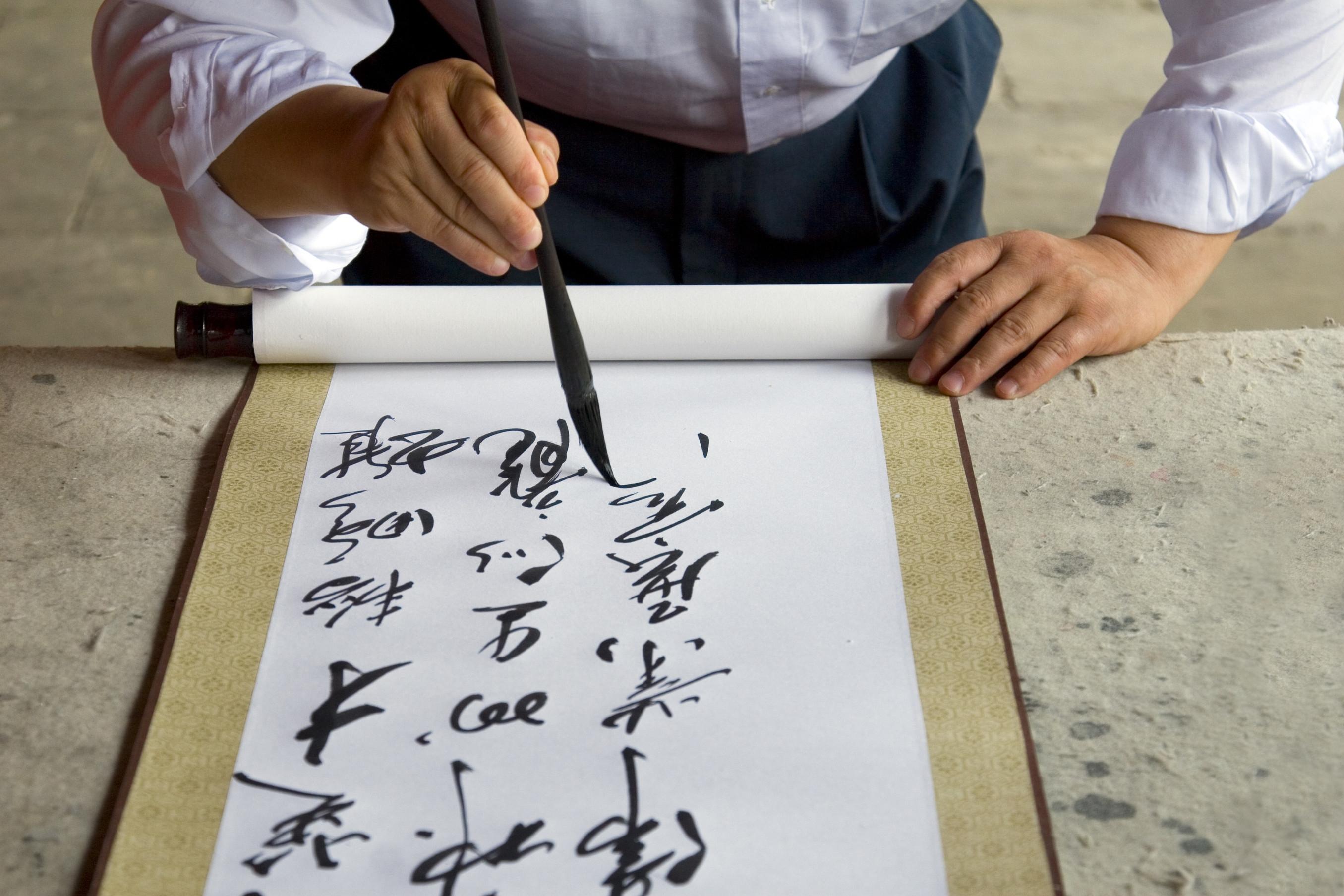
In China, calligraphy developed as a distinct art form and was closely linked to painting and the culture of writing. Chinese masters worked with brushes, ink, and paper, and the nature of each stroke could alter the appearance of a character. Over time, the tradition spread to Japan, Korea, Vietnam, and other East Asian countries. There, calligraphic writing also became a way to convey not only words but also the author’s mood and character.
Calligraphy in the Arab World
Arabic calligraphy holds a special place in history. For centuries, it was one of the most important art forms in Islamic culture. Masters created intricate compositions of letters, which they used to adorn manuscripts, architecture, household items, and decorative objects.
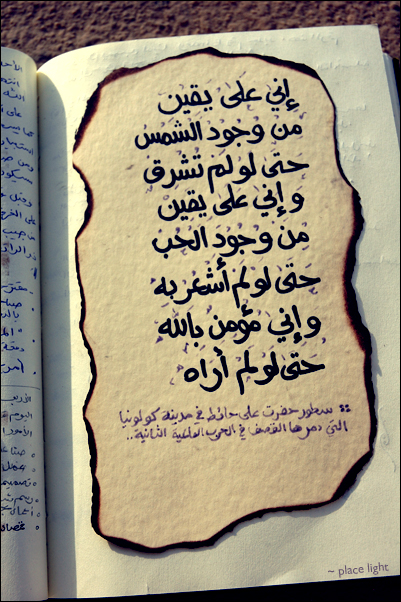
Calligraphy is particularly closely linked to the design of the Quran. For scribes, it was important not only to accurately convey the text but also to make it visually harmonious. Therefore, a whole system of styles and rules of writing developed in the Arab world. Some traditions of Arabic calligraphy have survived to this day and continue to evolve.
How European Calligraphy Developed
In Europe, calligraphic traditions were shaped by ancient Greek and Roman writing systems. With the spread of Christianity, beautiful handwriting took on special significance, as monasteries became centers for the copying of books. Monks created handwritten copies of the Bible and other religious texts, decorating the pages with ornaments, large letters, and miniatures.

Illuminated manuscripts became one of the most famous phenomena of medieval book culture. In these manuscripts, text was combined with illustrations, decorative frames, and elaborate letters. Such books were not merely carriers of information but valuable works of art.
Gradually, new typefaces and writing techniques emerged in Europe. Some styles were restrained and precise, while others were highly decorative. Eventually, the development of printing changed the role of calligraphy, but it did not destroy it. On the contrary, beautiful handwriting gradually became an art form in its own right, rather than merely a necessary skill for scribes.
Calligraphy also has its own history in Ukraine
The Ukrainian tradition of writing also has a long history. It developed alongside book culture, manuscripts, and the spread of literacy. Church and educational centers, where books were copied and people were taught to write, played an important role in this process. Ukrainian writing underwent significant development during the period of active growth in manuscript and book culture. Scribes used various forms of writing, which changed over time under the influence of new cultural and educational trends.

Calligraphy was not merely a way to write down words. It helped shape the visual appearance of Ukrainian texts and books. That is why the history of writing is part of the broader history of Ukrainian culture. Today, interest in Ukrainian typefaces and handwriting traditions remains strong. Calligraphy is used in graphic design, logo creation, book design, posters, postcards, and other creative projects.
How Calligraphy Differs from Ordinary Handwriting
Ordinary handwriting must, above all, be comfortable for the person writing. Calligraphy works a little differently. Here, every movement matters: the pressure of the pen, the direction of the line, the thickness of the stroke, the shape of the letter, and the spacing between elements. That’s exactly why calligraphic text can look completely different from everyday handwriting. The same phrase can be written in dozens of different ways. It can look austere, elegant, antique, minimalist, or even resemble a drawing.

Calligraphy also requires patience. To achieve neat letters, you need to repeat the basic strokes many times. At first, your hand may get tired, the lines may come out uneven, and the letters may not look at all the way you want them to. But with practice, your strokes become more precise.
What Tools Does a Calligrapher Need?
Calligraphy isn’t limited to just a pen and a bottle of ink. Different tools are used for different styles. These can include broad and fine nibs, brushes, special markers, felt-tip pens, ink, and even ordinary ballpoint pens. A broad nib works well for styles where the letters feature a contrast between thick and thin lines. A fine nib allows you to vary the stroke width depending on the pressure applied. A brush offers even more freedom, which is why it’s often used in East Asian traditions.

Modern calligraphy has become much more accessible overall. A beginner doesn’t necessarily have to buy an expensive set right away. For your first attempts, all you need is paper and a regular marker or pen. The main thing is to understand the principle of movement and not be afraid to experiment.
Why Calligraphy Has Become Popular Again
It would seem that in the age of smartphones and computers, handwriting should be a thing of the past. But almost the opposite is happening. Calligraphy and lettering have once again become popular among designers, artists, bloggers, and simply people looking for a creative outlet. One reason is the desire to return to something physical and unhurried. When we type most of our text on a keyboard, handwritten words are perceived quite differently. They retain the individuality of the person holding the pen.
Calligraphy is also widely used in contemporary design. It can be seen on packaging, wedding invitations, promotional materials, posters, book covers, and logos. Digital calligraphy has emerged as a distinct genre, in which the artist works not on paper but on a tablet or other graphic device.
How World Calligraphy Day Is Celebrated
There is no single official way to celebrate this day. That’s why everyone can celebrate it in their own way. The simplest option is to take a sheet of paper and write a few words in beautiful handwriting. In various countries, World Calligraphy Day is marked by workshops, creative gatherings, demonstrations, and online events. Participants can watch masters at work, study different styles, and try them out right away. Contests and themed challenges are also held on social media.

For example, as part of one of the online events for World Calligraphy Day, participants demonstrated various writing techniques, discussed calligraphy education, and showcased the work of masters from different countries. Such events give even those who don’t have a specialized school or studio nearby the opportunity to join in the celebration.
How to Celebrate This Day at Home
You don’t have to be a professional calligrapher to celebrate. You can write out your favorite quote, a line from a poem, or simply your name by hand. Then you can try writing it in several different styles and compare the results.

Another option is to write a handwritten letter to a loved one. In our digital world, a simple paper letter can be a very personal gift. You can also buy a basic calligraphy pen, ink, or marker and try some basic exercises. For those who want to take it further, there are online lessons and videos on calligraphy techniques. It’s best to start with simple lines, arcs, and repetitive elements, and then move on to whole words. This way, you can gradually develop your own style.
Interesting Facts About Calligraphy
Calligraphy developed independently in different parts of the world. That’s why Chinese, Japanese, Arabic, and European calligraphy can look completely different. They use different writing systems, tools, and rules, but share a common goal—to transform the written word into art.

Interestingly, calligraphy did not disappear even after the advent of printing. When printed books became widespread, handwriting lost its practical role but gained a new lease on life as a decorative art. Today, calligraphy is used not only on paper but also in digital design.

Another interesting point is that calligraphy can be a way to slow down. To write beautifully, you need to pay close attention to the movement of your hand and take your time. That’s why it’s often seen as a creative practice that helps you focus on the process.
Why This Day Is Important
World Calligraphy Day reminds us of a simple truth: technology changes the way we write, but it doesn’t take away our human need to create. A keyboard lets you type text in a matter of seconds, while handwriting leaves a part of the author’s personality in the text.
Calligraphy combines history, art, design, and personal self-expression. It preserves ancient traditions while easily adapting to the modern world. You can find it in ancient manuscripts, on modern advertising signs, and in digital brand design. So on August 12, set aside your keyboard for at least a few minutes and pick up a pen. You don’t have to create a masterpiece right away. It’s enough to write a few beautiful words and remember that writing is not just a way to convey information, but also a distinct art form.




