
Holiday on September 12, 2026 — Feast of the Most Holy Name of Mary: History and Traditions

On September 12, the Catholic Church celebrates the Feast of the Most Holy Name of the Virgin Mary. This day is dedicated not to an event in the life of the Virgin Mary, but to her name itself, which for Christians has become a symbol of maternal love, protection, hope, and trust in God. In 2026, the feast falls on a Saturday. Its history began in Spain, and the date later spread throughout the Catholic Church.
The Feast of the Most Holy Name of the Virgin Mary is celebrated annually on September 12. In 2026, this date falls on a Saturday. It is a Catholic Marian feast, that is, a day dedicated to the special veneration of the Virgin Mary. It should not be confused with the Nativity of the Blessed Virgin Mary, which is celebrated on September 8. The Nativity of the Blessed Virgin Mary commemorates her birth, while on September 12, Christians specifically honor her name and the spiritual significance of that name.
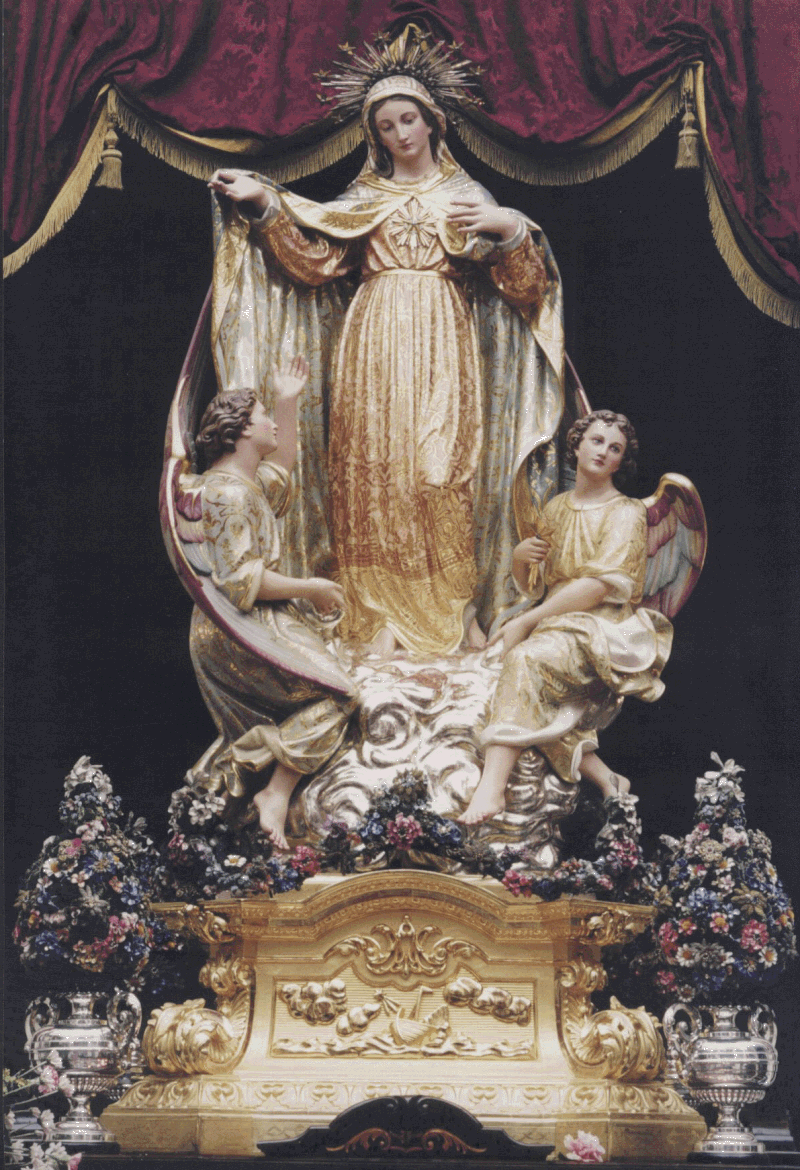
The feast is located very close to the Nativity of the Virgin Mary on the calendar. There is a logical reason for this proximity of dates: after commemorating Mary’s birth, the Church turns its attention to her name and the role she plays in Christian tradition. The Vatican explains that the veneration of Mary’s name is linked to the Mother of God’s love for Christ and for the people whom Jesus entrusted to her. In 2026, September 12 is also marked on the Vatican calendar as the Memorial of the Most Holy Name of the Blessed Virgin Mary.
Where Did This Feast Day Come From?
The history of the feast day begins in Spain. It is known that in 1513, Pope Julius II authorized the celebration of a feast in honor of Mary’s name in the Spanish diocese of Cuenca. At first, it was a local tradition rather than a feast day for the entire Catholic Church. Over time, it began to be observed in other places, and devotion to the name of the Mother of God gradually spread. In the 17th century, the feast became more widespread in Spain. In 1671, Pope Clement X authorized its celebration throughout the entire country. This marked an important milestone in the development of a tradition that had previously existed mainly at the local level.
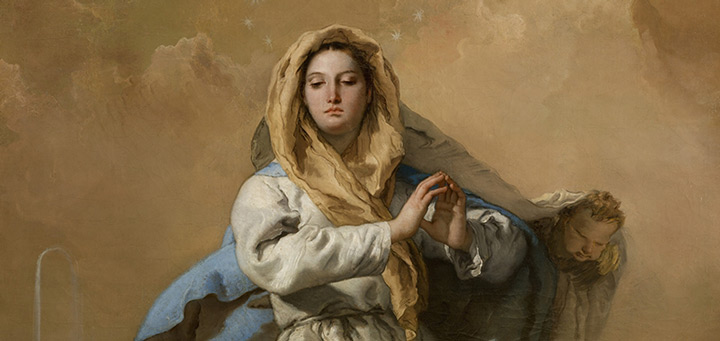
The date of September 12 took on special significance after the events of 1683. That was when the Battle of Vienna took place, in which the troops of Polish King John III Sobieski, together with their allies, defeated the Ottoman army that was besieging the city. In Catholic Europe, the victory was also attributed to the intercession of the Virgin Mary. Following this victory, Pope Innocent XI extended the Feast of the Most Holy Name of Mary to the entire Catholic Church and established it on September 12. Thus, a date that was originally associated with a local Spanish devotion became a universal Church feast day.
Why the name Mary is so significant
For Christians, the name of Mary holds a special place, for she is the mother of Jesus Christ. In the Gospel of Luke, Mary’s name is mentioned during the Annunciation, when the archangel Gabriel comes to her with God’s message. Mary responds to this call by expressing her willingness to accept God’s will. Therefore, in Christian tradition, her name is not merely associated with a specific person. It serves as a reminder of faith, trust, and the willingness to say “yes” to God even when one does not know what the future holds.
In 2004, Pope John Paul II, addressing pilgrims on this feast day, called the name of Mary especially dear to Christians and linked it to the image of the mother whom Jesus entrusted to his disciples. That is why on this day, believers can turn to the Mother of God with prayers for their families, children, loved ones, peace, and help in difficult life situations. For many Catholics, the name Mary has become a kind of reminder that even in difficult moments, a person need not remain alone in their faith.
What Does the Name Mary Mean?
The exact original meaning of the name Mary remains a subject of debate among scholars. It derives from the ancient Hebrew form Miriam, and throughout history, various interpretations have been proposed. In Christian texts and the works of ancient authors, one can find symbolic interpretations such as “lady,” “star of the sea,” “light,” “bitter sea,” or “myrrh.” None of these explanations can be considered the single, indisputable interpretation of the name. Rather, it reflects a centuries-old tradition in which theologians have sought to explain the meaning of the Mother of God’s name.
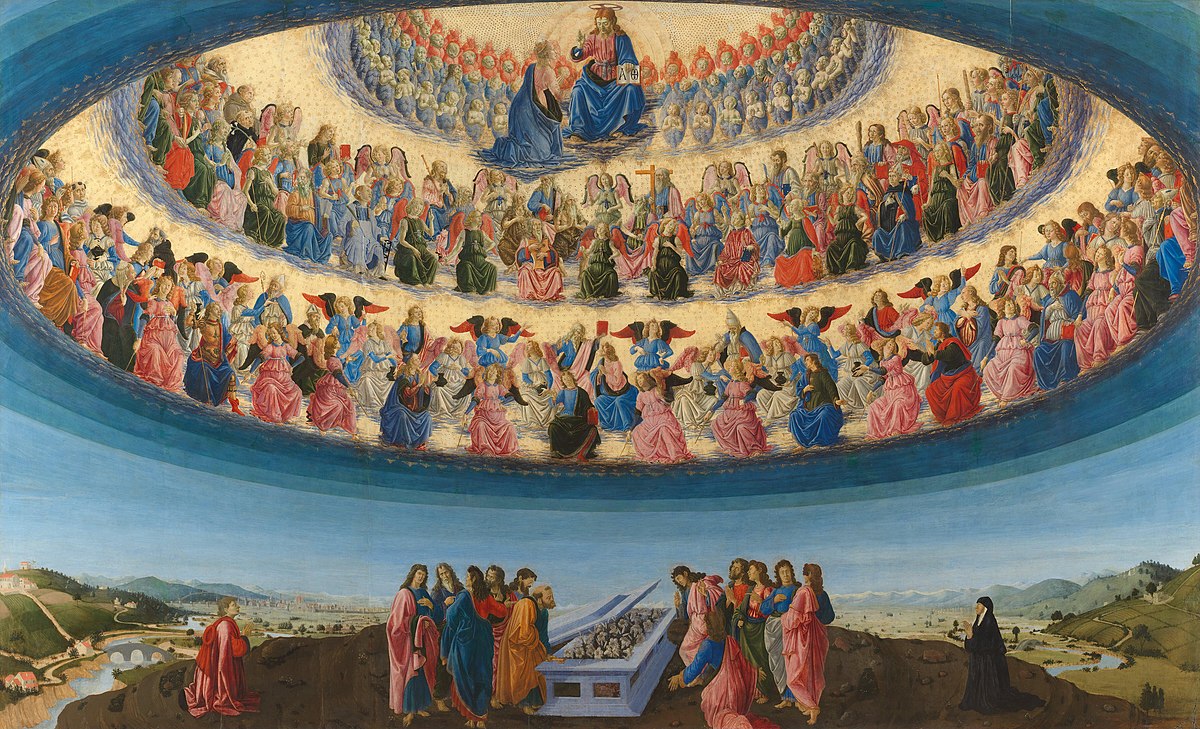
The reference to Mary as the “Star of the Sea” has become particularly well-known. This image is found in the Western Christian tradition and is associated with the idea of a path, hope, and a spiritual guide. Therefore, for believers, the name Mary has more than just a linguistic meaning. It has become part of prayers, hymns, the liturgy, and the centuries-old culture of Christianity.
What Is Commemorated on This Day
On September 12, believers commemorate not a specific episode in the life of the Virgin Mary, but her spiritual image and the significance of her name for Christians. Special attention is given to Mary as the mother of Jesus and as a person who accepted God’s will. Christian tradition sees her as an example of trust, humility, and inner strength. The feast is also associated with prayers for intercession. Believers may ask Mary for help for themselves and their loved ones, especially during difficult times.

The Vatican has emphasized that the veneration of Mary’s name is linked to her maternal presence in the lives of Christians. Therefore, on this day, people turn to her not merely as a historical figure, but as the Mother of God, who holds a special place in Catholic spirituality.
How the Feast of the Most Holy Name of Mary Is Observed
The main way to observe the feast is through prayer and participation in the Mass. On this day, Catholic churches may celebrate a Mass dedicated to the Most Holy Name of Mary, and the faithful pray and turn to the Mother of God with personal requests. The Marian prayer “Hail Mary” is particularly widespread. It is recited not only on September 12, but on this day it takes on special significance due to the feast’s direct connection to the name of the Blessed Virgin Mary.

The faithful may also recite the “Angelus,” reflect on the Gospel accounts of Mary’s life, or participate in communal prayer gatherings. Traditions may vary from country to country, as the feast has a long history and different Catholic communities have developed their own ways of honoring it. For families, this day can be an opportunity to talk with their children about the biblical story of Mary, her role in Christianity, and the significance of her name. They can also visit a church, light a candle, pray for loved ones, or simply spend part of the day in silence and reflection. The Catholic tradition surrounding this feast day does not impose strict daily restrictions such as “you must not do laundry,” “you must not work,” or “you must not leave the house.” Therefore, lists circulating online of supposedly mandatory restrictions should be taken with a grain of salt. The essence of the day lies first and foremost in prayer and spiritual veneration of the Mother of God.
What Prayers Are Recited on September 12
One of the main prayers to Mary is “Hail Mary.” It is based on the words from the Gospel of Luke, where the Archangel Gabriel addresses Mary during the Annunciation, and Elizabeth greets her as the mother of the Lord. On this day, you can also pray the “Angel of the Lord” or address the Mother of God in your own words. In the Catholic tradition, it is not necessary to use a long text if you simply wish to ask for help, give thanks, or share your feelings in prayer.
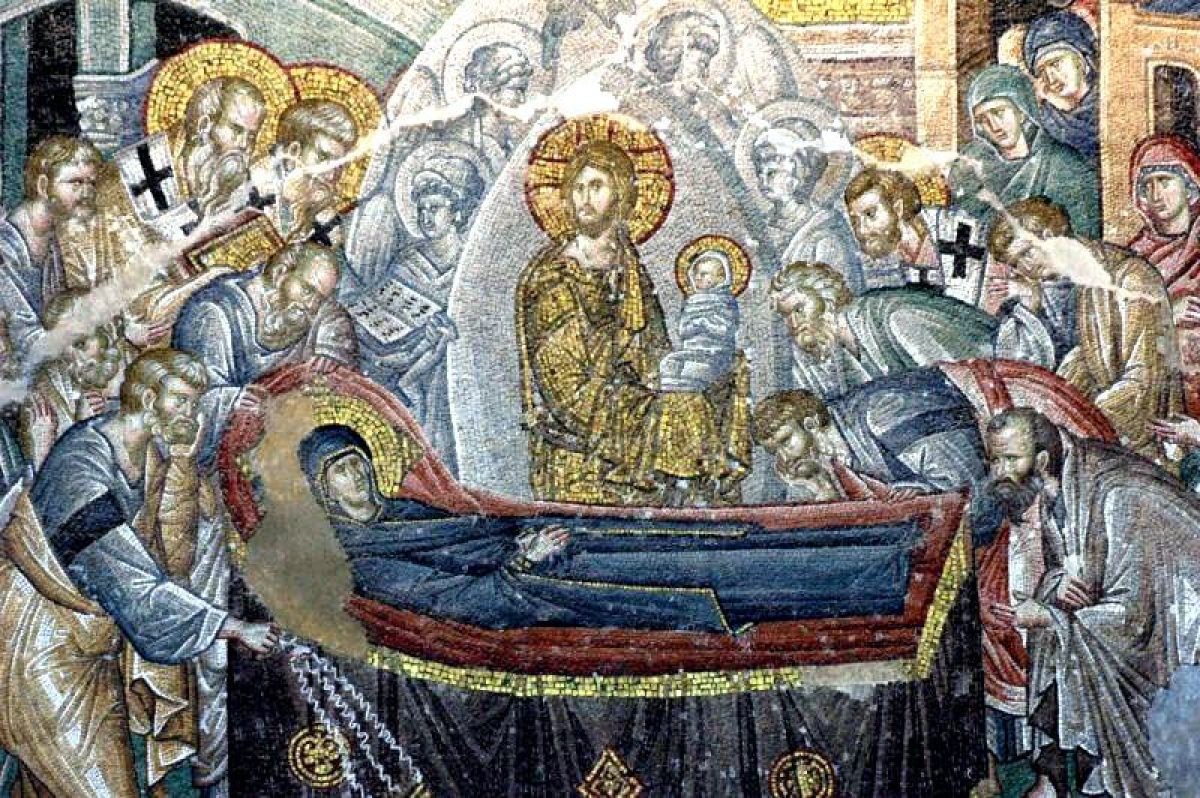
You can pray for your parents’ health, for the protection of children, for peace in the family, or for strength for someone going through a difficult time. It is especially appropriate to pray for peace and for those who are in danger. A short prayer might sound like this: “Most Holy Virgin Mary, pray for us, sustain us in difficult times, protect our loved ones, and help us to keep our faith, hope, and love. Amen.” This is not a quote from an official liturgical text, but a short prayer in your own words that can be used for personal supplication.
Interesting Facts About the Feast
The feast originated in Spain. The Catholic Church granted the first known permission to celebrate it to the Diocese of Cuenca in 1513. Initially, it was a local observance.
September 12 is associated with the Battle of Vienna. In 1683, Polish King Jan III Sobieski led the allied forces that defeated the Ottoman army during the Siege of Vienna. Following this, Pope Innocent XI extended the feast to the entire Catholic Church.
The feast is not dedicated to the birth of Mary. The Nativity of the Virgin Mary is celebrated on September 8. On September 12, the focus is specifically on her name and the spiritual significance of the Virgin Mary.
The feast has changed status over the years. Following the liturgical reform of 1969, it was removed from the general Roman calendar, though the tradition continued in certain countries and church communities. In 2004, Pope John Paul II publicly designated September 12 as the Feast of the Most Holy Name of Mary.
The name Mary has many symbolic interpretations. Among them are “lady,” “light,” “star of the sea,” and others. These interpretations emerged at different periods in Christian tradition, so not all are scientifically confirmed translations of the original name.
Marian feasts occupy an important place in the Catholic calendar. The Church separately celebrates the Nativity of Mary, the Annunciation, the Assumption, the Immaculate Conception, the Visitation of Elizabeth, and other days associated with the Mother of God. September 12 stands out among them because it is dedicated specifically to her name.
How Does This Feast Day Differ from Other Days Dedicated to Mary?
The Catholic calendar includes many dates associated with the Blessed Virgin Mary. For example, September 8 commemorates her birth, March 25—the Annunciation, August 15—the Assumption, and December 8—the Immaculate Conception. The Feast of the Most Holy Name of Mary is of a different nature. It does not recount a specific event in her life, but rather draws attention to the figure of Mary herself and to what her name means to Christians.

This is clearly evident in the words of Pope John Paul II, who in 2004 spoke of the inseparable link between the name of Mary and the name of Jesus. In his words, for Christians, this name serves as a reminder of Mary’s maternal presence. Therefore, September 12 can be seen as a day of personal prayer and gratitude. It is an opportunity not only to recall the history of the feast but also to reflect on the people who support us, as well as on our own faith, hope, and responsibility toward our loved ones.
Why This Holiday Is Important Today
Although the tradition dates back several hundred years, its core meaning remains clear today. For believers, the name Mary is associated with motherhood, care, hope, and intercession. In times of war, personal loss, and constant uncertainty, people often turn to religion for support. That is why Marian feasts offer many believers an opportunity to pray for their families, soldiers, the wounded, children, and all those in danger.

On this day, there’s no need for elaborate rituals. It’s enough to visit a church, say a prayer, light a candle, or simply spend a few minutes in silence. For someone who does not attend church services regularly, this can also be an opportunity to learn more about the history of Christianity and the figure of Mary. On September 12, the Feast of the Most Holy Name of the Virgin Mary reminds us of one of the central figures of the Christian tradition. It is a day of prayer, gratitude, and reflection on faith, maternal love, and hope—all of which the name of Mary symbolizes for millions of people around the world.


