
September 2, 2026 Holiday — Democracy Day in Tibet: History and Significance
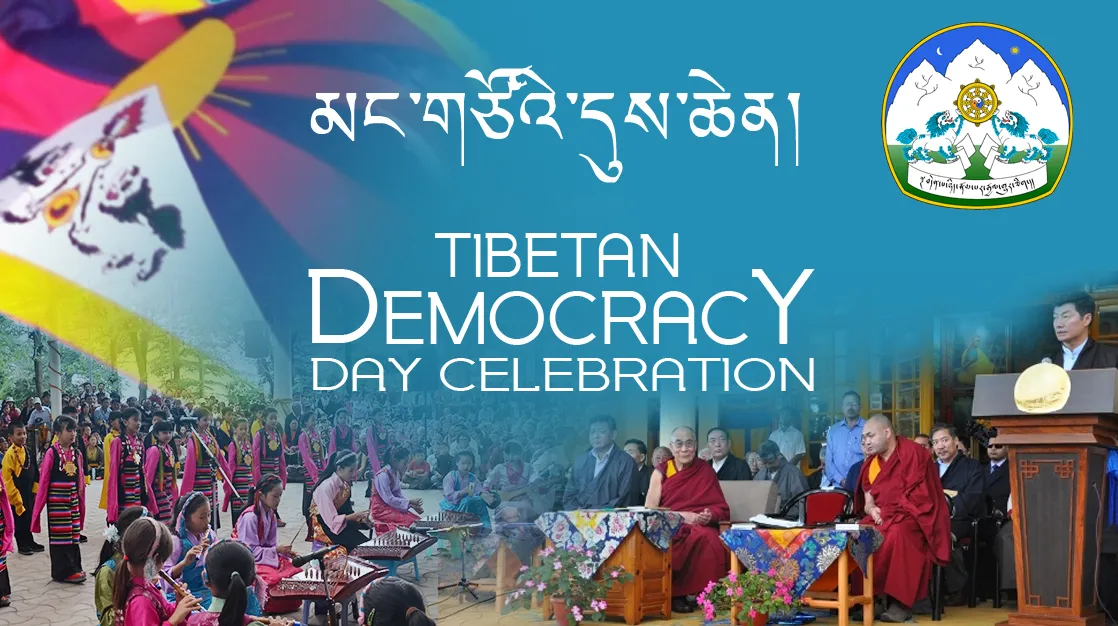
On September 2, Tibetans celebrate Democracy Day—a date that commemorates the beginning of democratic changes within the Tibetan community in exile. It was on September 2, 1960, that the first elected representatives of the Tibetan people took their oath of office before the 14th Dalai Lama. Since then, this date has come to symbolize the gradual transition from a traditional system of governance to elected democratic institutions.
Democracy Day in Tibet is celebrated annually on September 2. In 2026, this date falls on a Wednesday. The holiday is not associated with the emergence of an independent state or the establishment of a new government in Tibet itself. Rather, it commemorates the democratic changes that the Tibetan community began to build after the Dalai Lama and a large number of Tibetans fled to India in 1959.
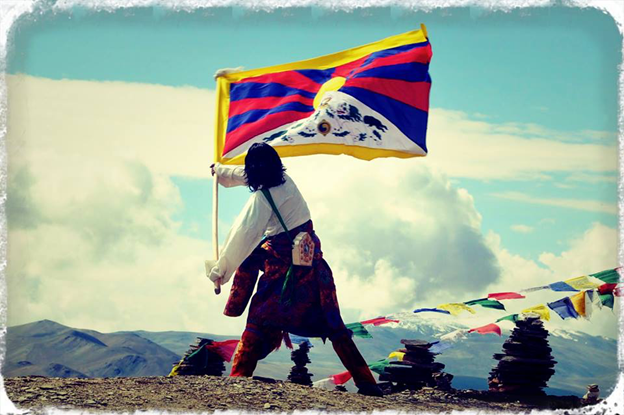
This day is primarily observed by Tibetans living in exile in India and other countries around the world. The main venue for official events is Dharamsala in the Indian state of Himachal Pradesh, where the Central Tibetan Administration is located.

For Tibetans, this date holds not only political but also symbolic significance. It serves as a reminder of the attempt to create a system in which decisions are made with the participation of the people themselves, and authority is based on the rule of law and elected representatives. That is why Democracy Day is regarded as one of the most important dates in the modern history of the Tibetan diaspora.
How This Holiday Came to Be
To understand the origins of Democracy Day, we must go back to the events of 1959. After the suppression of the uprising in Lhasa, the 14th Dalai Lama left Tibet and moved to India. Tens of thousands of Tibetans left the country with him. In their new circumstances, the Tibetan community had to do more than just provide people with housing, education, and employment. It also had to establish a system of governance that could represent the interests of Tibetans in exile.

The Dalai Lama began implementing democratic reforms almost immediately after arriving in India. In 1960, elections were held for the first representatives of the Tibetan people. They were to form the basis of a new representative body.
On September 2, 1960, 13 representatives took the oath of office, thereby officially launching the work of the first Commission of Representatives of the Tibetan People. It included representatives from various Buddhist schools and traditional regions of Tibet. In 1975, the Tibetan administration declared September 2 as the founding day of Tibetan democracy. Since then, this date has been celebrated annually as Democracy Day.
What role did the Dalai Lama play in this?
The 14th Dalai Lama became one of the main initiators of democratic reforms in the Tibetan community. Even before fleeing Tibet, he spoke of the need to change the traditional system of governance and make it more modern. After moving to India, these changes became a practical task. In 1960, the first representative body of Tibetans in exile began its work, and in 1963, the Constitution of a future Tibet was proclaimed.

It was particularly significant that the Dalai Lama insisted on the principle of the rule of law. The draft constitution even provided for the possibility of his removal from office if there were legal grounds for doing so. This was intended to demonstrate that the head of a spiritual tradition should not be above the rules that apply to society. The Dalai Lama himself later explained on numerous occasions that power should not depend on a single person. In his words, stability and development are impossible without citizens’ participation in political life.
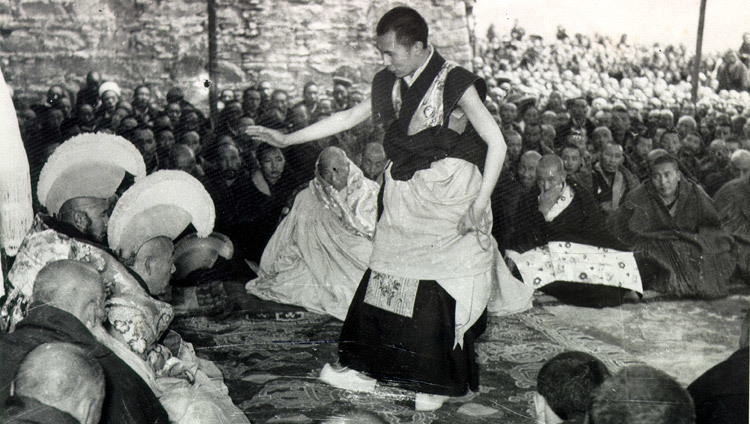
In 2001, Tibetans in exile were given the opportunity for the first time to directly elect the political head of their administration. This marked another important step in the development of the system of self-government. And in 2011, the Dalai Lama finally transferred his political and administrative powers to an elected leadership. Thus, his role as a spiritual leader was preserved, but political power passed to elected representatives.
What Has Tibetan Democracy Become?
The current system of Tibetan self-government in exile has taken shape over several decades. It comprises legislative, executive, and judicial branches of government. The legislative body is the Tibetan Parliament-in-Exile. Its representatives are elected by Tibetans living in various countries. Executive power is exercised by the Central Tibetan Administration, headed by an elected leader—the Sikyong. The Administration handles issues related to education, culture, healthcare, social support, and other matters affecting the Tibetan community.
There is also a judicial system. Thus, a system has gradually been established in which the various branches of government have distinct functions. This is particularly important because the Tibetan administration operates in exile rather than on the territory of Tibet itself. Its main institutions are located in India. The Dalai Lama has emphasized that democracy for Tibetans has not simply become a copy of a foreign political model. According to him, the goal was to create a system that would combine democratic principles with Tibetan culture and traditions.
Why Democracy Day Is Important for Tibetans
For the Tibetan community, this date serves as a reminder of how, under extremely difficult circumstances, the process of establishing their own democratic institutions began. Following the events of 1959, Tibetans found themselves far from their homeland. Many people lived in refugee camps, established new settlements, and strove to preserve their language, culture, and religion.
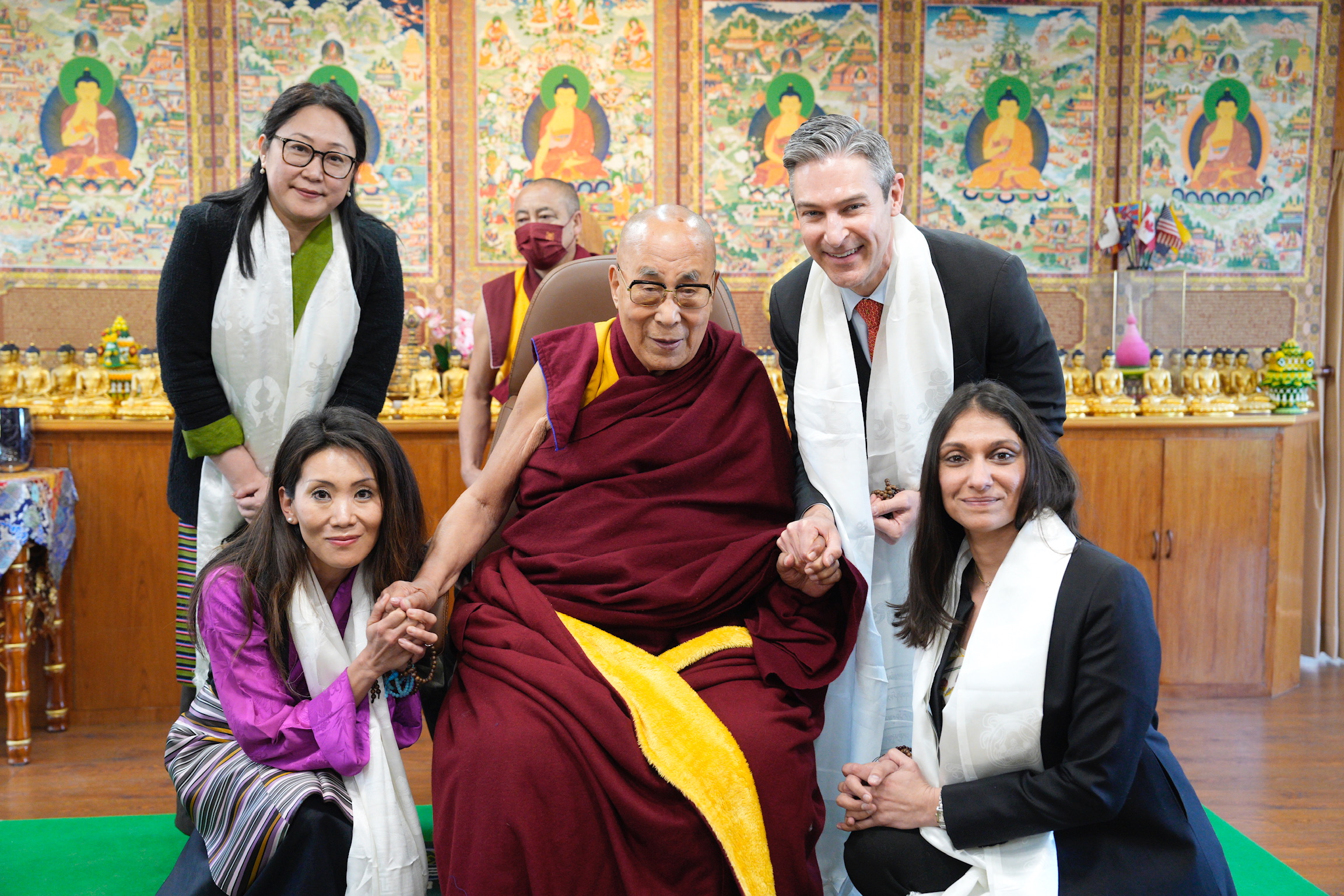
Against this backdrop, the establishment of an elected representative body became an important step. People were given the opportunity to participate in shaping the bodies that represented their interests. In the Tibetan community, democracy is also linked to the principle of nonviolent struggle. For many years, the Dalai Lama has advocated for a peaceful resolution to the Tibetan issue and dialogue with the Chinese authorities.
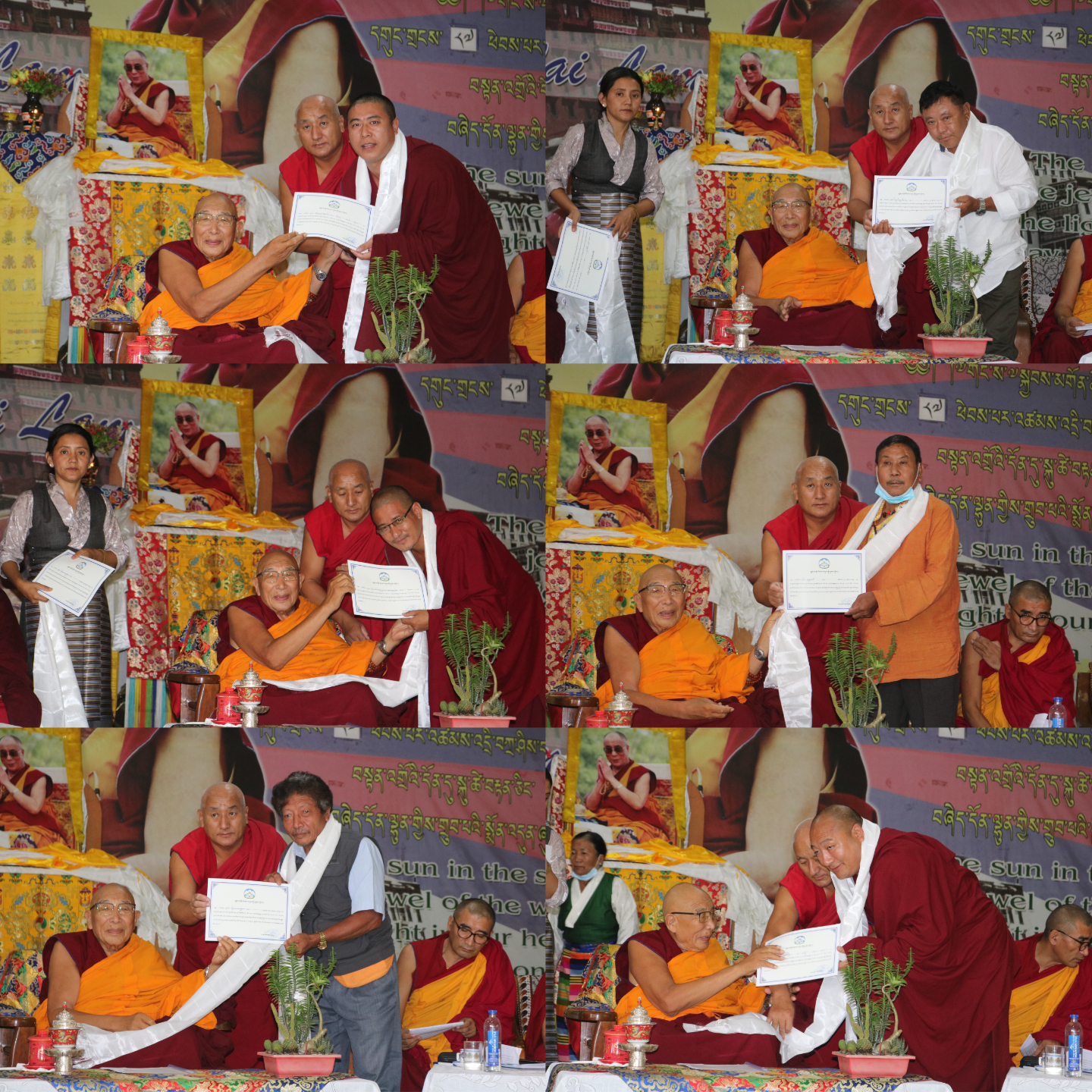
That is why Democracy Day for Tibetans is not merely a commemoration of the 1960 elections. It is also an opportunity to discuss freedom, human rights, citizen participation in political life, and the future of Tibet.
How Democracy Day Is Celebrated
On this day, Tibetan communities hold official ceremonies, speeches, gatherings, and cultural events. The main events take place in Dharamsala, where the Central Tibetan Administration is based. Representatives of the Tibetan Parliament and the Administration typically speak during the celebrations. They discuss the history of democratic reforms, the current state of the Tibetan community, and its future.
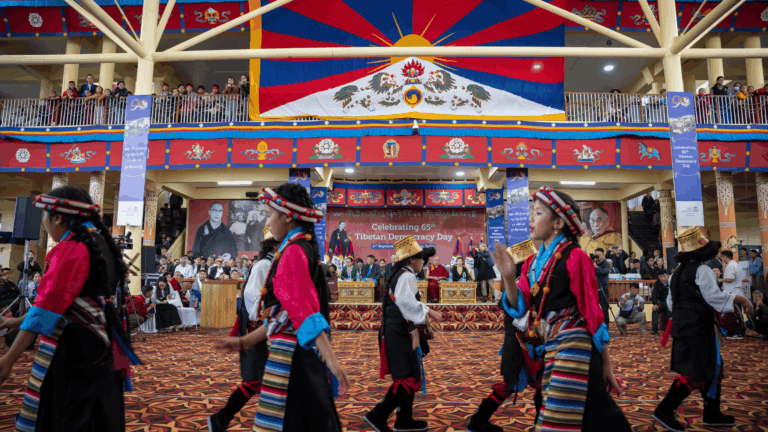
Schoolchildren and college students may participate in the celebrations. For example, during the 63rd anniversary of Democracy Day in Dharamsala in 2023, students from Tibetan schools delivered speeches on democracy and performed a ceremonial song dedicated to the occasion. Foreign politicians, diplomats, representatives of international organizations, and friends of the Tibetan community may also attend the ceremonies. For Tibetans, this is an opportunity to draw the world’s attention to their history and political aspirations.
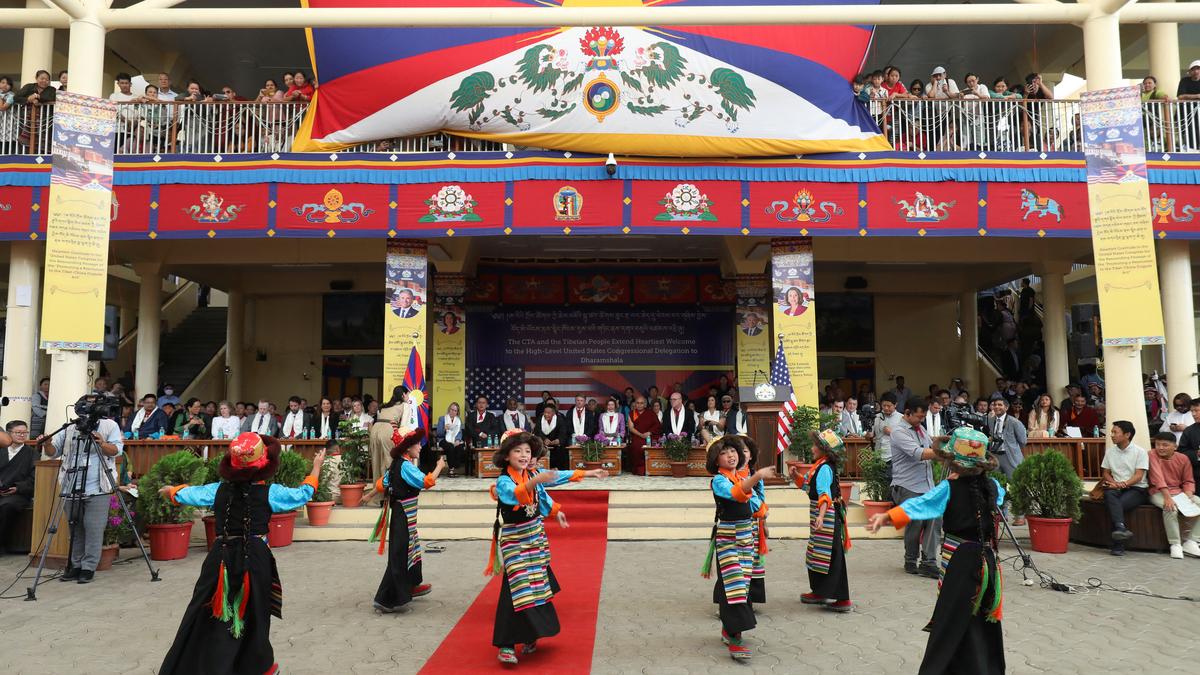
The events combine political and cultural elements. During the celebrations, Tibetan songs may be performed, and there may be youth performances and other cultural events. In other words, this is not a holiday with a traditional set of folk rituals. Its main focus is on commemorative and community events dedicated to democracy and the history of Tibetan self-governance.
Interesting Facts About Democracy Day
One of the most interesting facts is that the first democratic representatives of the Tibetan people were elected just a few months after the exile community was established. This happened in 1960, less than a year after the Dalai Lama fled to India.
Initially, the representative body was small. The first Commission of Representatives of the Tibetan People consisted of 13 members. They represented Tibetan religious traditions and the country’s three traditional regions.
Another important milestone occurred in 1963, when the first women were elected to the Tibetan representative body. This was part of a gradual expansion of Tibetan participation in political life.
In 2001, Tibetans began directly electing the political leader of their administration. This marked a significant shift from a system in which the Dalai Lama held political power to one with an elected leadership.
Another symbolic moment occurred in 2011. The Dalai Lama relinquished all his political and administrative powers and transferred them to the elected leadership. This completed the Tibetan community’s long-standing transition to a democratic model of governance.
Therefore, the history of Democracy Day in Tibet is, in fact, the history of the gradual transfer of political power from a single spiritual leader to elected institutions.
How This Day Differs from Other Tibetan Dates
The Tibetan calendar includes many religious and historical dates associated with Buddhism, the Dalai Lama, and significant events in Tibetan history. Democracy Day is of a different nature. It is dedicated specifically to political change and the development of representative government. This date also does not imply that the same system of government exists in Tibet itself. Democracy Day is primarily associated with the Tibetan community in exile and its institutions.
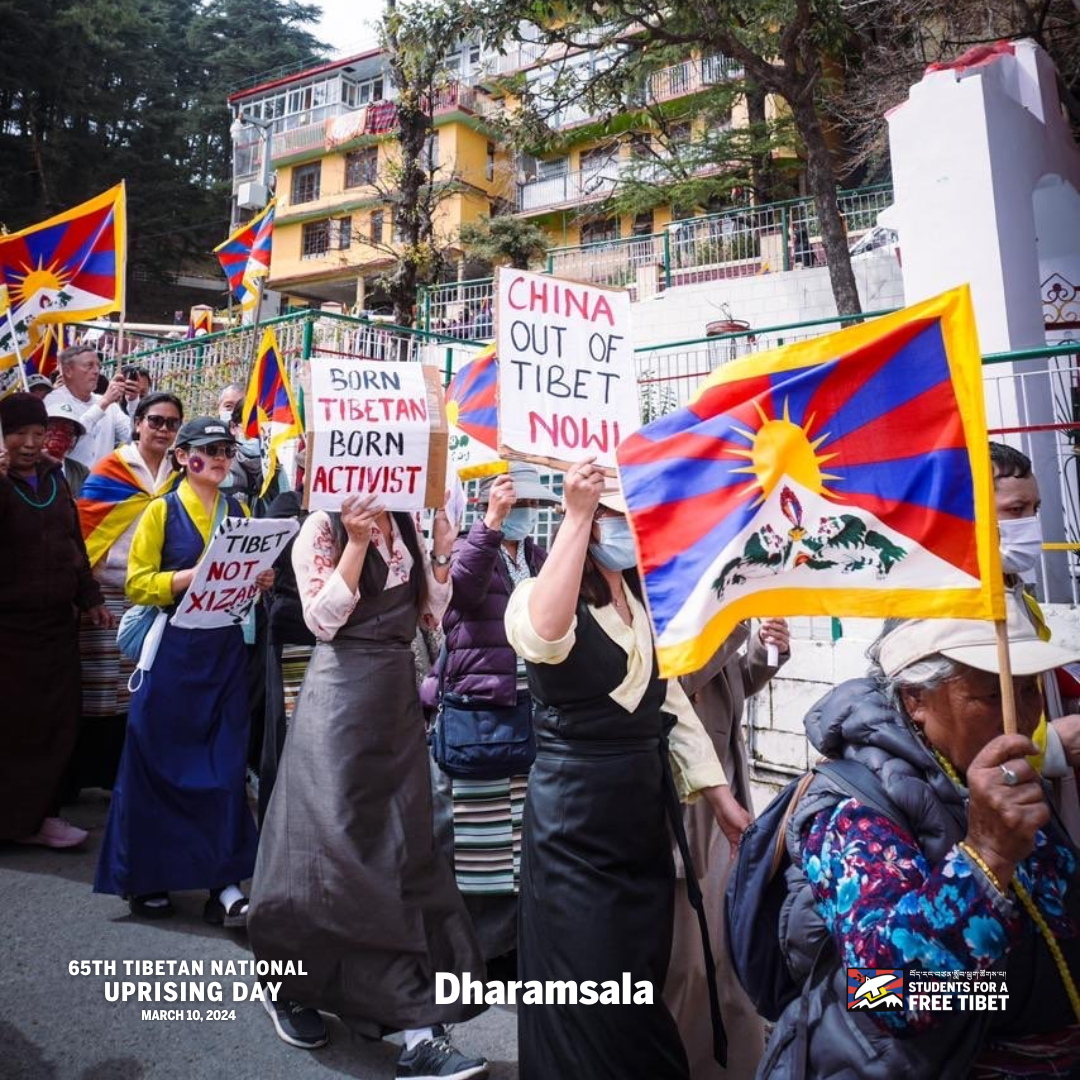
The Central Tibetan Administration describes itself as a democratically elected system of governance for Tibetans in exile. At the same time, the issue of Tibet’s status remains the subject of intense political disputes between the Tibetan movement and the Chinese authorities. Therefore, September 2 holds not only historical but also political significance for Tibetans. It is a day when they commemorate the beginning of their community’s democratic journey and discuss the future.
Tibetan Democracy Day in 2026
In 2026, Democracy Day in Tibet will be celebrated on September 2, a Wednesday. This year marks the 66th anniversary of the day the first elected representatives of the Tibetan people took their oath of office. Over the past six decades, the Tibetan community in exile has come a long way. From a small group of representatives in 1960, it has evolved into a system with a parliament, an executive branch, and judicial institutions.

Of particular significance is that this process did not end with the holding of the first elections. Over the following decades, authority was gradually transferred to elected bodies. The Dalai Lama first initiated democratic reforms, then supported elections for political leadership, and in 2011 completely relinquished political power. It is this process that the Tibetan side views as an important part of its modern history.

Thus, Democracy Day in Tibet is a date not so much about celebration as it is about remembrance and the political journey. On September 2, Tibetans commemorate the day in 1960 when they took their first official step toward an elected system of government, and they reaffirm the importance of freedom, citizen participation, and the right of the people to determine their own future.


