
Holiday on July 20, 2026 — International Moon Day: History and Interesting Facts
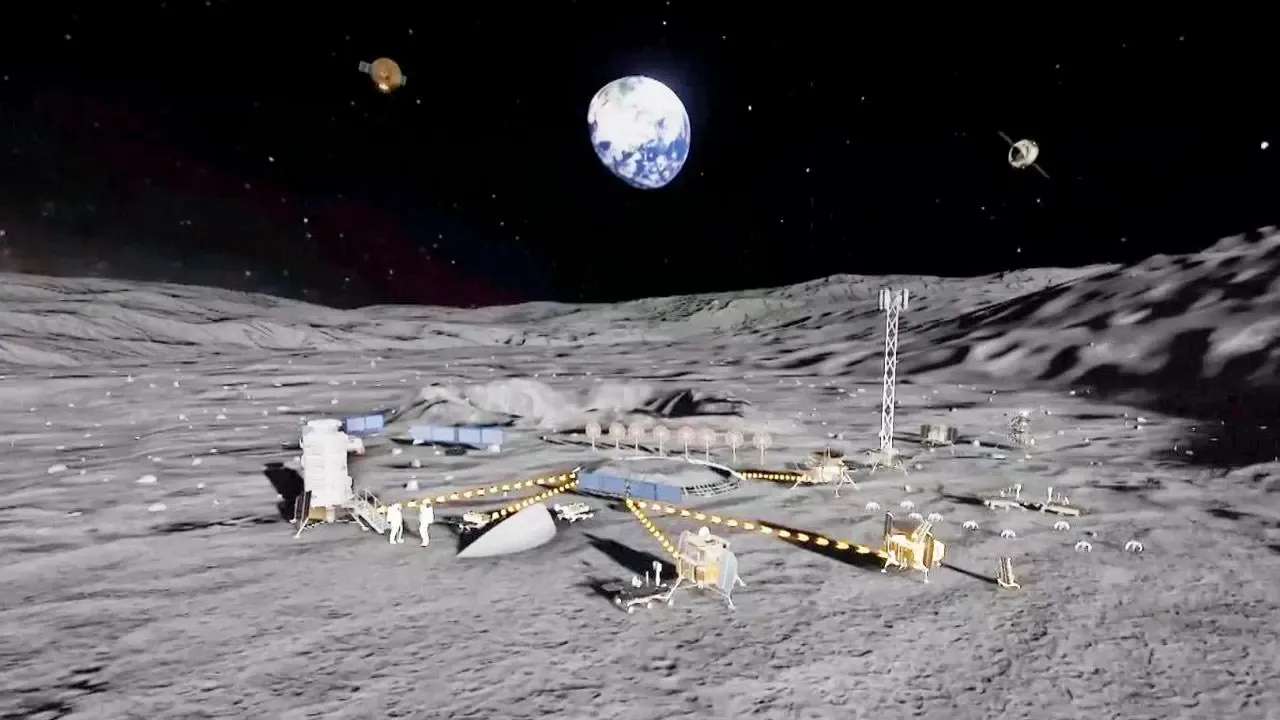
July 20 is celebrated around the world as International Moon Day. The holiday commemorates the historic landing of humans on Earth’s moon in 1969 and all the achievements that ushered in a new era in space exploration.
This day serves as a reminder not only of the great discoveries of the past but also of current space missions and humanity’s future plans. Countries around the world host lectures, exhibitions, night sky observations, and popular science events that help people learn more about the Moon.
Every year on July 20, the world celebrates International Moon Day. This is a relatively new international holiday that brings together everyone interested in space, science, and the future of humanity. The date was not chosen at random. It was on July 20, 1969, that the American astronauts of the Apollo 11 mission first landed on the Moon’s surface. This event became one of the greatest achievements in the history of science and technology.
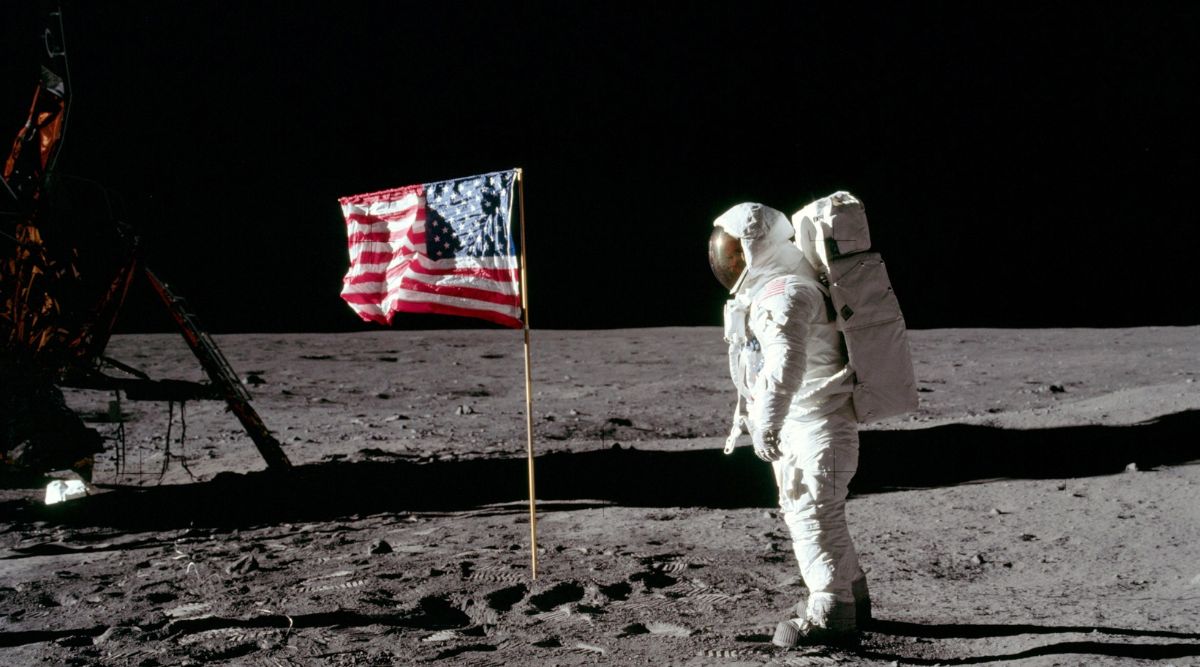
International Moon Day was officially proclaimed by the UN General Assembly in 2021. The initiative was supported by international scientific organizations and experts engaged in space research. The main goal of the holiday is to highlight the importance of the peaceful exploration of space, international cooperation, and new scientific discoveries.
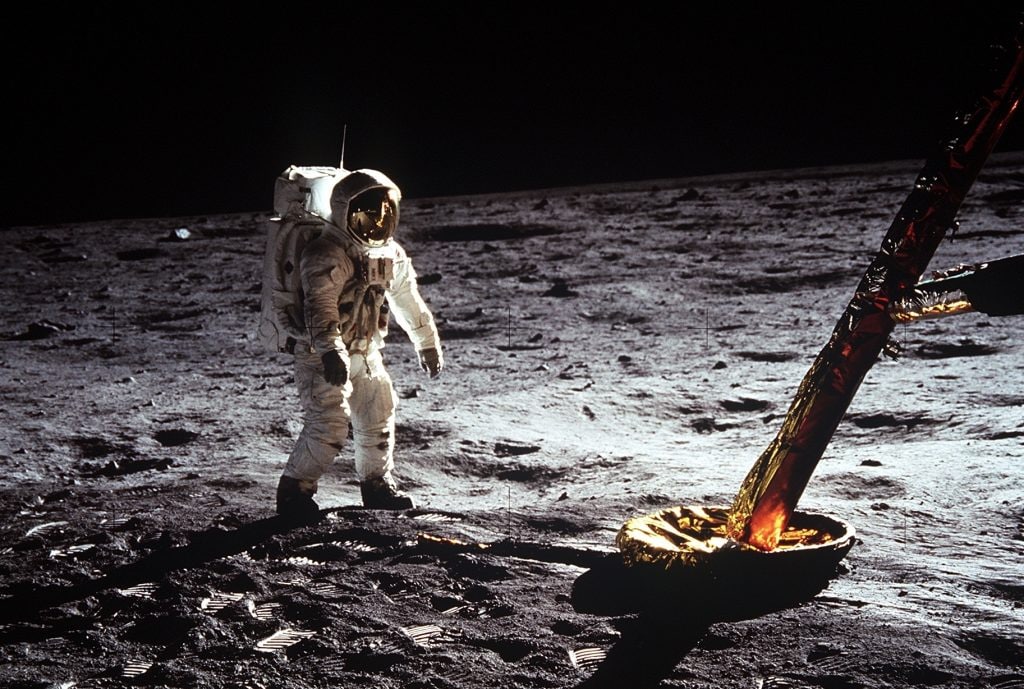
As Neil Armstrong said during the first moon landing: “That’s one small step for a man, one giant leap for mankind.” These words remain a symbol of humanity’s quest to explore new horizons to this day.
How the holiday came to be
Although the first moon landing took place more than half a century ago, the international holiday was established only a few years ago. The idea to establish a dedicated day was proposed by the Moon Village Association—an international organization that brings together scientists, space agencies, and companies working on future lunar projects.
The proposal was supported by the UN Committee on the Peaceful Uses of Outer Space, after which the UN General Assembly officially designated July 20 as International Moon Day. The holiday is intended not only to commemorate history but also to promote modern space exploration, as dozens of countries are currently working on new missions to the Moon.
Why This Day Is Important
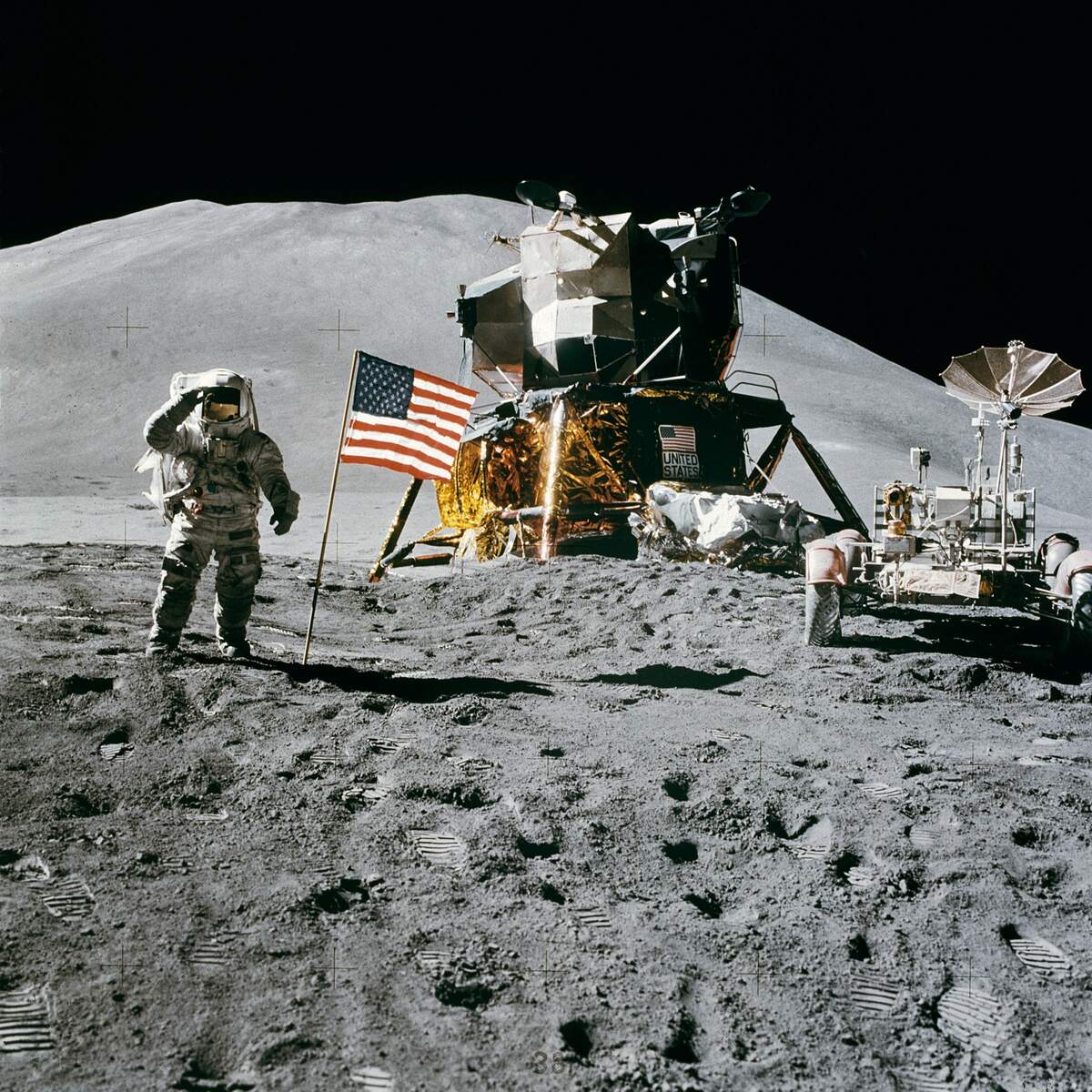
International Moon Day serves as a reminder of how far humanity has come in exploring the universe. Following the Apollo 11 mission, several more successful expeditions took place. A total of 12 astronauts have walked on the Moon’s surface, with Eugene Cernan being the last to do so in 1972.
Today, interest in Earth’s natural satellite is once again growing rapidly. Space agencies in the U.S., Europe, China, India, Japan, and other countries are launching new missions, exploring the Moon’s surface, and preparing to establish long-term scientific bases. That is why Moon Day is not only about the past but also about the future of space exploration.
How International Moon Day Is Celebrated
In many countries, a variety of popular science events take place on this day. Planetariums and observatories organize public lectures and screen documentaries about the Apollo missions and modern space programs. Weather permitting, interested visitors can observe the Moon through a telescope.
Schools and universities hold themed lessons, contests, and exhibitions dedicated to the history of space exploration. Science museums display models of spacecraft and lunar modules and explain the work of astronauts. On social media, users share photos of the night sky, share interesting facts about the Moon, and support international awareness campaigns dedicated to space exploration.
Interesting Facts About the Moon
The Moon hides many amazing features. According to current scientific data, it formed approximately 4.5 billion years ago after the young Earth collided with a celestial body the size of Mars. Gravity on the Moon is about six times weaker than on Earth. A person weighing 60 kilograms would weigh only about 10 kilograms there.
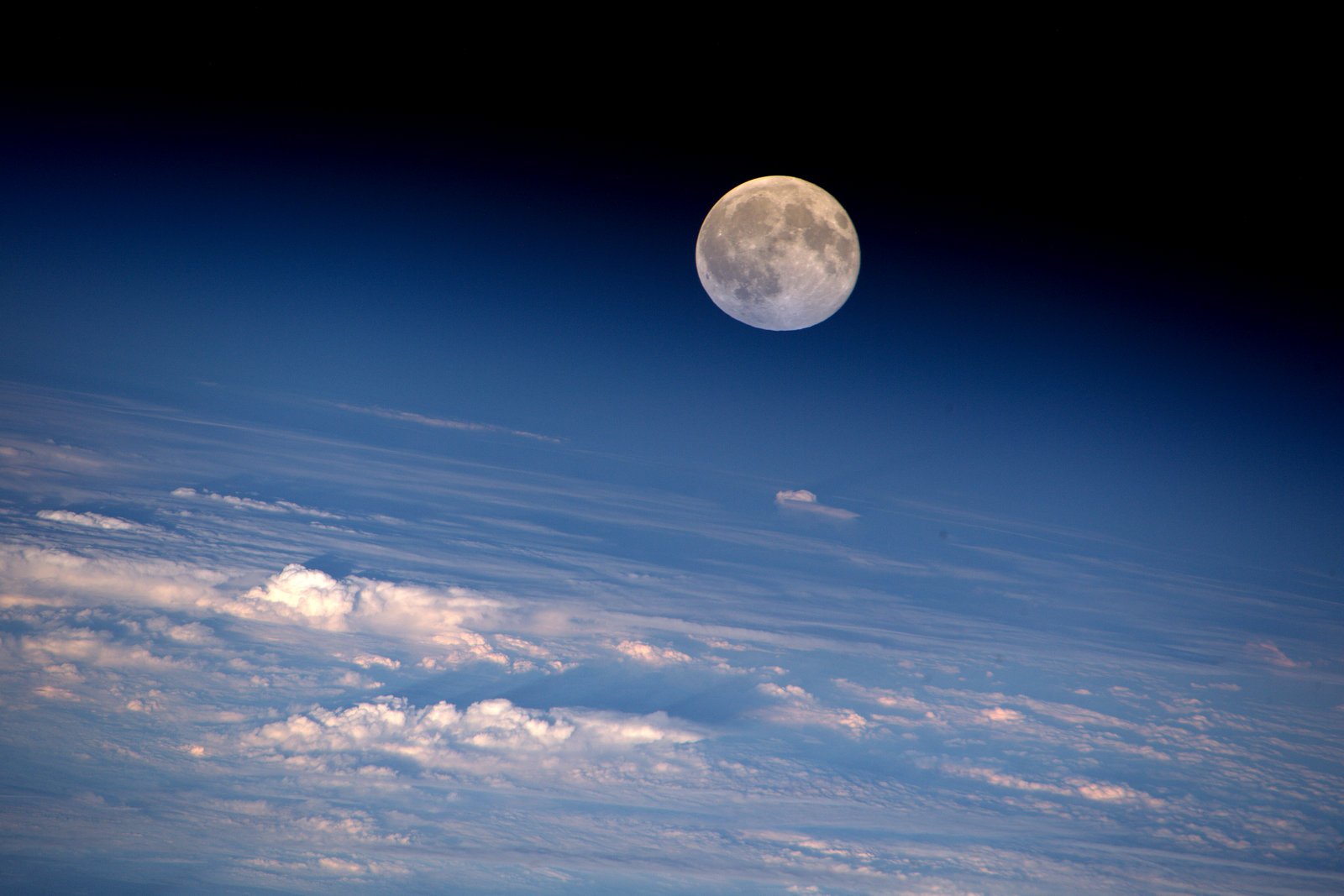
The Moon also experiences so-called “moonquakes”—surface vibrations similar to earthquakes. The Moon’s surface is covered with thousands of craters formed by meteorite impacts over billions of years. It’s also interesting to note that the Moon’s surface area is almost equal to that of Africa.
Future Moon Exploration
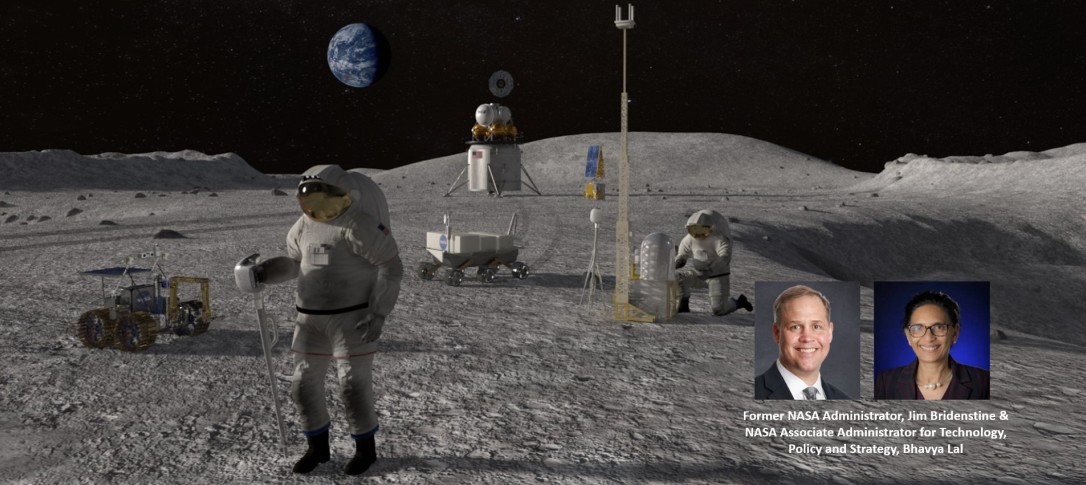
Today, the Moon has once again become one of the main focuses of space exploration. NASA is implementing the Artemis program, which aims to return humans to the Moon’s surface and create conditions for astronauts to stay there for extended periods. Dozens of countries and international partners are participating in the project.

At the same time, China, India, Japan, and the European Space Agency are developing their own lunar programs. Scientists are exploring the possibility of extracting resources, building research stations, and using the Moon as a launchpad for future missions to Mars. That is why International Moon Day today symbolizes not only a single historic event but also a new era of space exploration.
How to Celebrate This Day
Anyone can join in the celebration. You can observe the Moon in the evening, visit a planetarium or science museum, watch a documentary about the Apollo 11 mission, or read more about modern space programs.
This day is also a great opportunity to talk to your children about space, locate the lunar seas and craters on a map together, or simply gaze at the night sky and reflect on the fact that humanity has already taken its first step beyond Earth. It’s moments like these that remind us just how great discoveries often begin with simple human curiosity.


