
June 24 Holiday: International Fairy Day Brings Dreamers Together
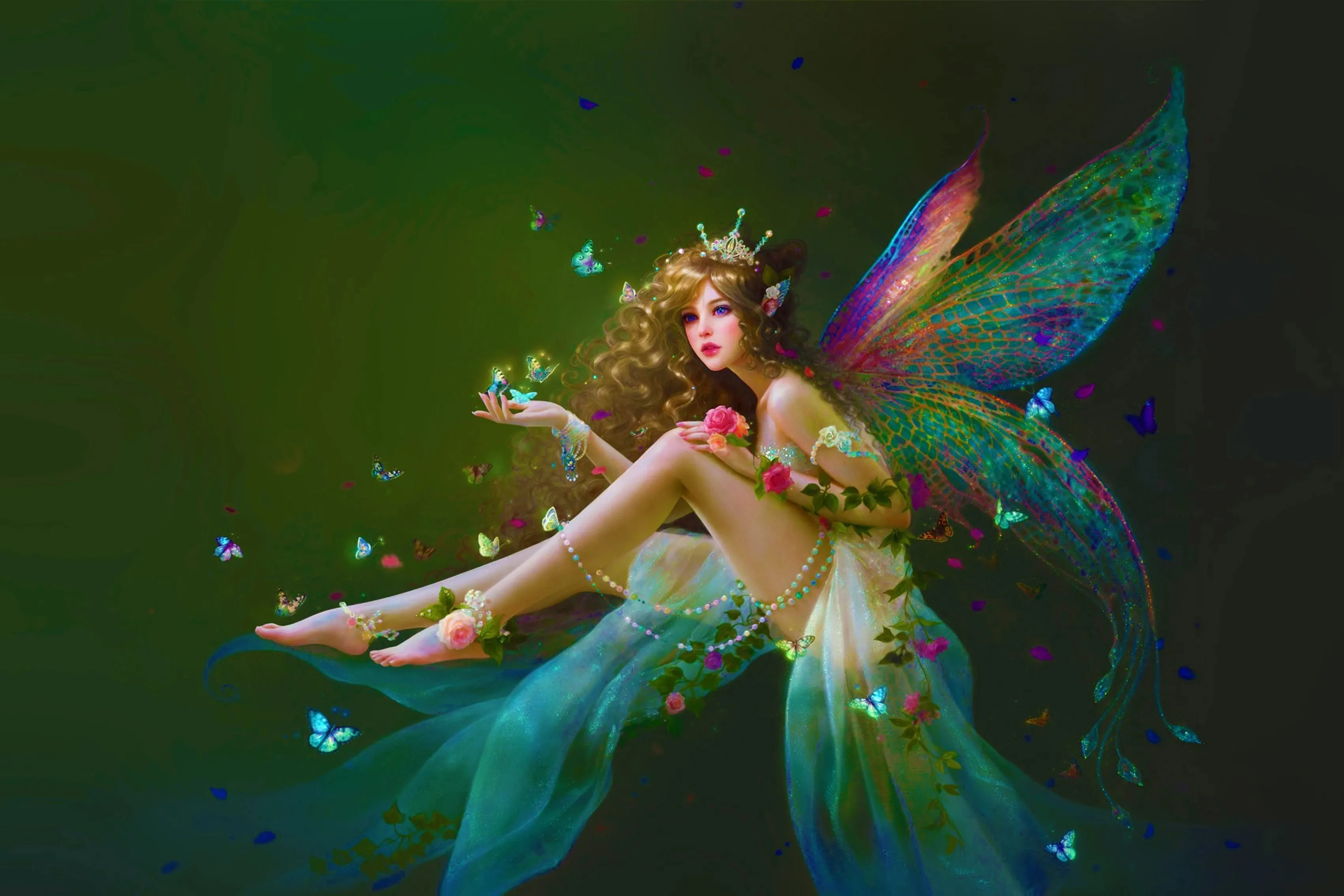
June 24 is International Fairy Day—an unusual holiday dedicated to fairy tales, fantasy, and ancient legends. On this day, people recall stories about magical creatures, organize themed festivals and costume parties, and simply allow themselves to believe in miracles a little more.
Every year on June 24, countries around the world celebrate International Fairy Day. It is one of the most unusual holidays on the calendar, as it is dedicated not to historical events or national holidays, but to the world of fantasy, legends, and magic. Despite its fairy-tale nature, this holiday has a very real history. It originated in the late 20th century thanks to American writer and folklore researcher Ann Pellowski. In 1999, she proposed creating a day that would remind people of the richness of folk legends, ancient tales, and children’s imaginations.

According to Pellowski, fairies are part of the cultural heritage of many peoples around the world. That is why she wanted at least one day a year to be dedicated to these mythical creatures and the stories about them. Over the years, the holiday has spread far beyond the United States. Today, it is celebrated in the United Kingdom, Ireland, France, Germany, Canada, and many other countries. It has become especially popular among fantasy lovers, mythology enthusiasts, and families with children.
Why Fairies?
For hundreds of years, fairies have remained among the most famous characters in world folklore. They can be found in the legends of the Celts, the English, the Scots, the Irish, the Scandinavians, and many other peoples. In most tales, fairies are depicted as magical creatures who live alongside humans but belong to another world. They can offer help, point people in the right direction, or—on the contrary—play tricks on people and set unexpected challenges.
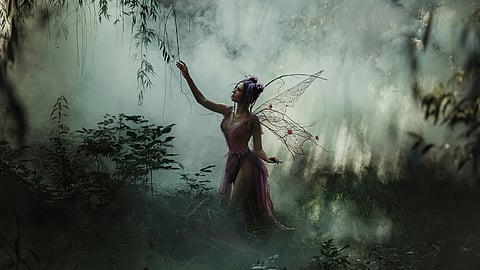
Interestingly, the modern image of a little girl with transparent wings is a relatively recent development. In ancient legends, fairies often looked quite different. They could be tall, human-like, and live in hills, forests, or near bodies of water. In Celtic myths, fairies were considered guardians of nature. People believed that they protected forests, rivers, and fields, and therefore treated them with great respect.
Fairies in Different Cultures Around the World
Almost every nation has its own legends about magical creatures. In Ireland, the selkies are particularly well-known—creatures that can transform from seals into humans. According to legend, they would come ashore and turn into beautiful women or men.

In Germany, gnomes were popular. They were considered guardians of underground treasures and helpers to miners. People believed that gnomes could warn of danger underground. In Scandinavia, people told tales of elves—mysterious inhabitants of forests and hills. They often served as intermediaries between the human world and the world of magic. And in English legends, fairies often became the main characters in stories of love, adventure, and wondrous transformations.
Interesting Facts About Fairies
There are many unusual legends and beliefs associated with fairies. It is believed that they adore everything that sparkles—jewelry, ornaments, and bright stones. In many tales, fairies are said to love singing and dancing. People believed that a passing traveler might become so captivated by their dance that they would lose track of time.
According to old legends, fairies dislike iron. That is why, in some regions of Europe, people carried small metal objects with them as talismans. Not everyone knows this, but the famous writer Arthur Conan Doyle, the creator of Sherlock Holmes, seriously believed in the existence of fairies. He even defended the authenticity of the famous photographs of supposedly real fairies, taken in Great Britain in the early 20th century. Another interesting fact: originally, fairies almost never had wings. Artists didn’t start depicting them with wings until the Middle Ages.
How International Fairy Day Is Celebrated
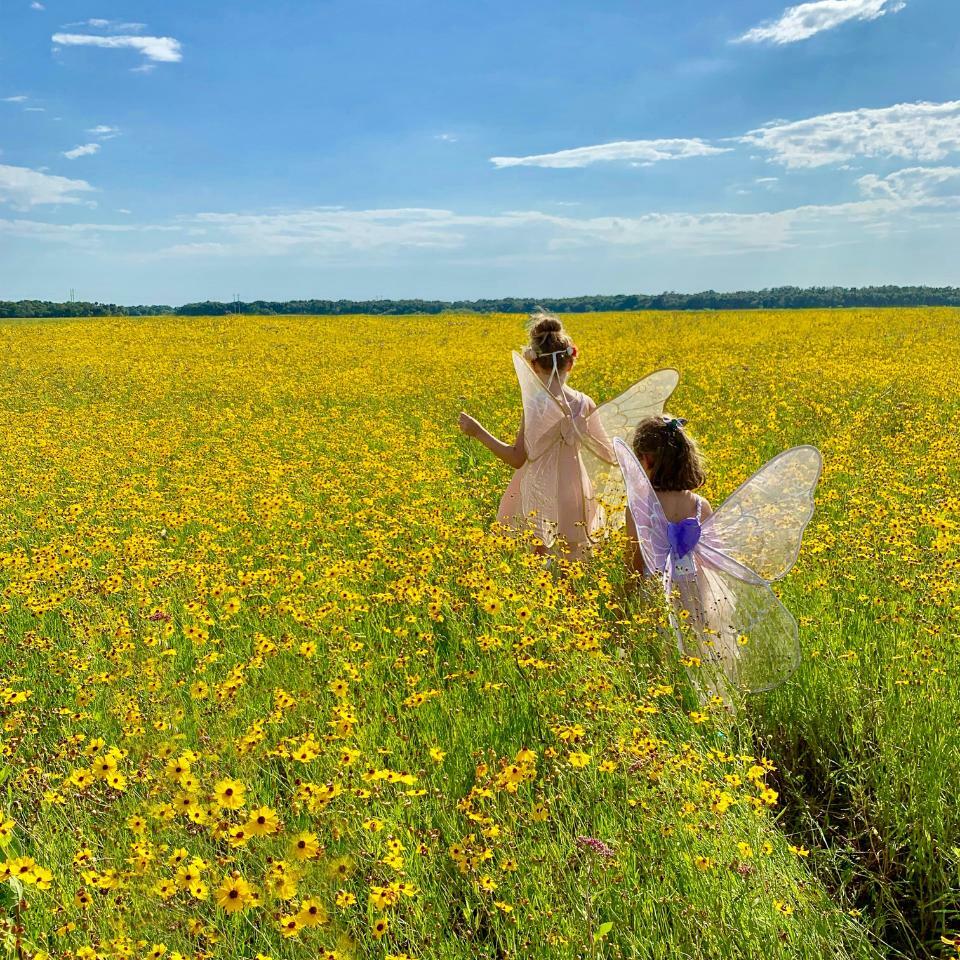
The main feature of this holiday is the lack of strict rules. Many countries host themed festivals, fairs, and carnivals. People dress up as fairies, elves, wizards, and other characters from legends. Creative workshops for children remain popular. Kids make magic wands and paper wings, decorate little fairy houses, and come up with their own fairy tales.
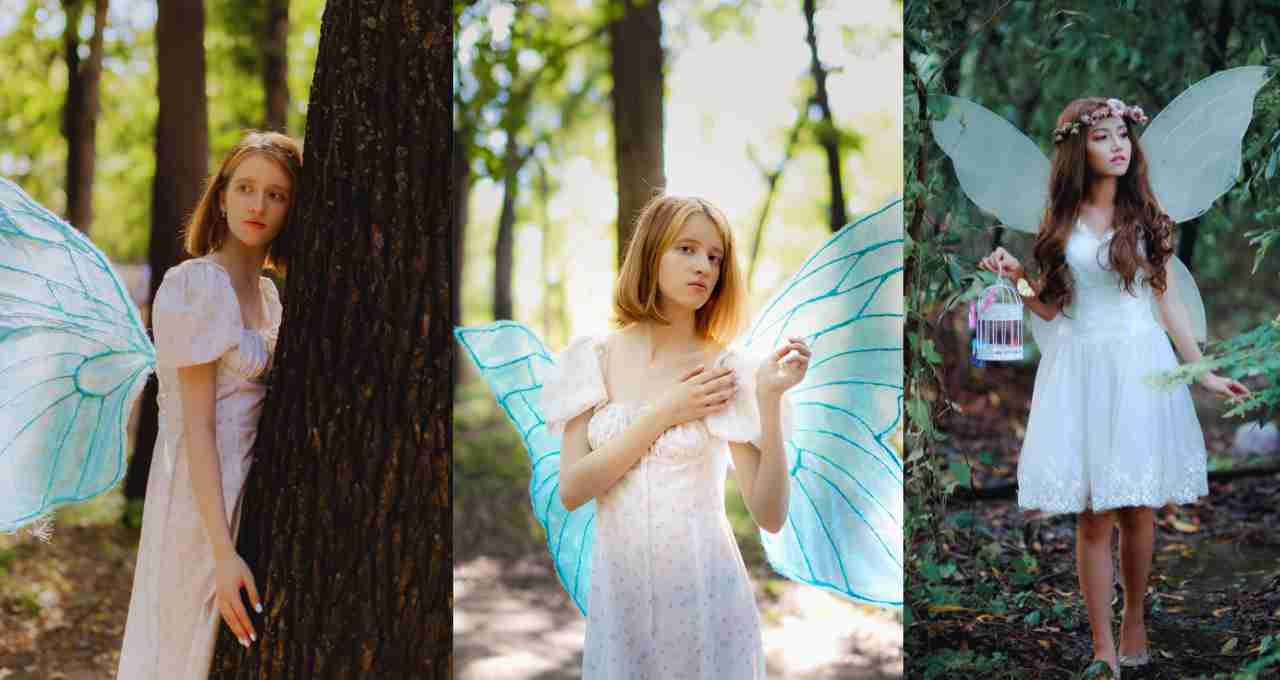
Many families set up so-called “fairy-tale gardens.” To do this, they use miniature houses, decorative bridges, small lanterns, and flowers. Literature lovers spend this day rereading folk tales and legends from around the world. And movie fans organize screenings of famous films about magic and magical creatures. Fantasy-themed photo shoots, where adults and children transform into fairy-tale characters, have become just as popular.
Why This Holiday Remains Popular
International Fairy Day is not just an occasion to recall old legends. For many people, it has become an opportunity to break away from the daily routine and return to the world of childhood dreams. Psychologists often note that fairy tales help develop imagination, creativity, and emotional intelligence. That’s why even adults enjoy taking part in the holiday celebrations.
Moreover, this holiday serves as a reminder of the importance of folklore. Ancient legends, tales, and myths have shaped the cultures of peoples over the centuries and remain a part of our history to this day. No matter how people feel about the existence of fairies, one thing remains constant: stories about magic, goodness, and wonder continue to captivate millions of people around the world. “Fairy tales aren’t just for children. They remind adults that there’s always room for wonder in the world.” “Sometimes all it takes is a little imagination to turn an ordinary day into something special.” That is why, on June 24, many people open up old books once again, recall their favorite legends, and—if only for a few hours—return to a world where magic is still possible.


