
Holiday 24, 2026 — Shooting Star Day: Time to Make a Wish
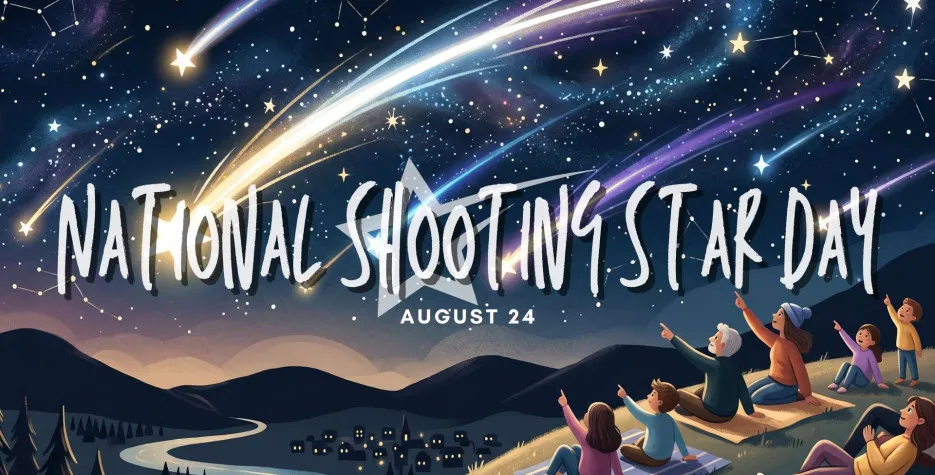
August 24 marks Shooting Star Day—an unofficial holiday dedicated to meteors and the beauty of the night sky. On this day, it’s worth remembering a simple rule: what we call a “shooting star” isn’t actually a star. It is a tiny particle of cosmic dust or a fragment of a comet or asteroid that enters Earth’s atmosphere at tremendous speed and flashes briefly as a bright streak.
Shooting Star Day falls on August 24 and is considered an unofficial holiday. In international calendars, it is listed as Shooting Star Day or National Shooting Star Day. The date of August 24 appears annually in calendars of unofficial holidays; however, it is not a national or international holiday established by a resolution of the UN or any other international organization.
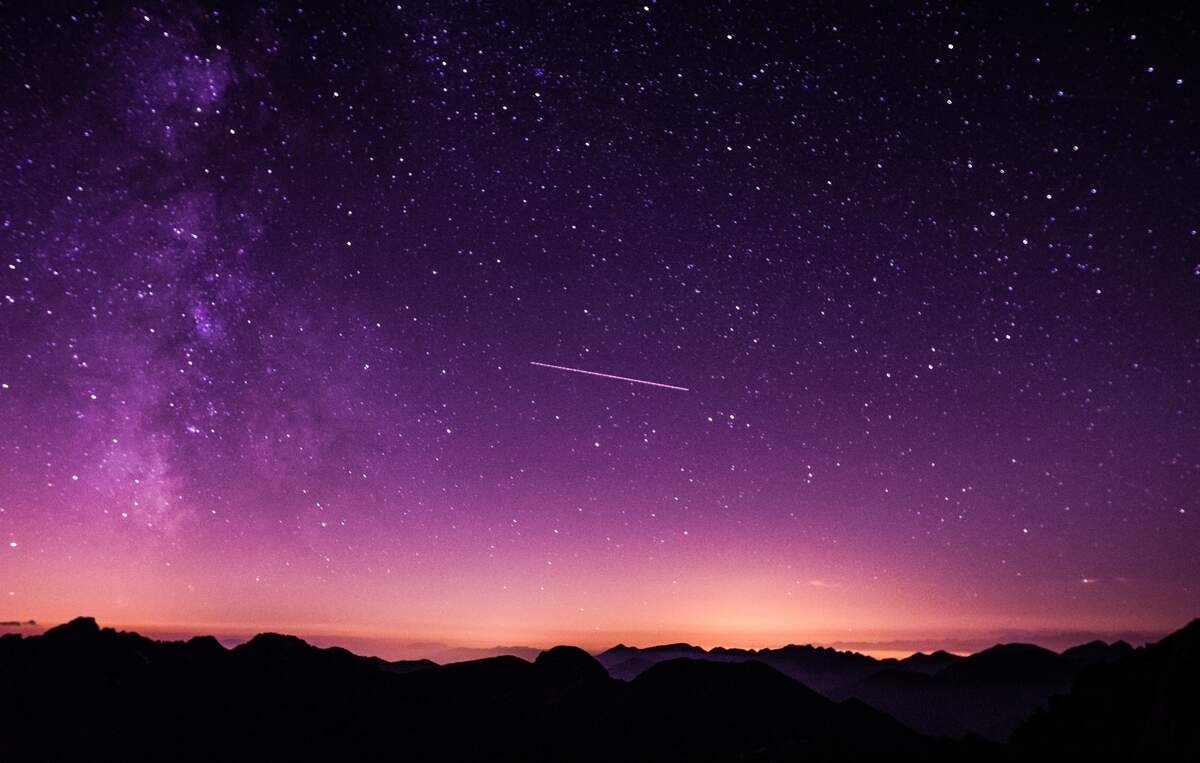
The name of the day is associated with one of the most romantic phenomena of the night sky. Shooting stars have captivated people for centuries, and today they have also become a wonderful opportunity to talk about space without complicated formulas or telescopes. To see a meteor, it’s usually enough to get away from bright city lights and simply look up at the sky.
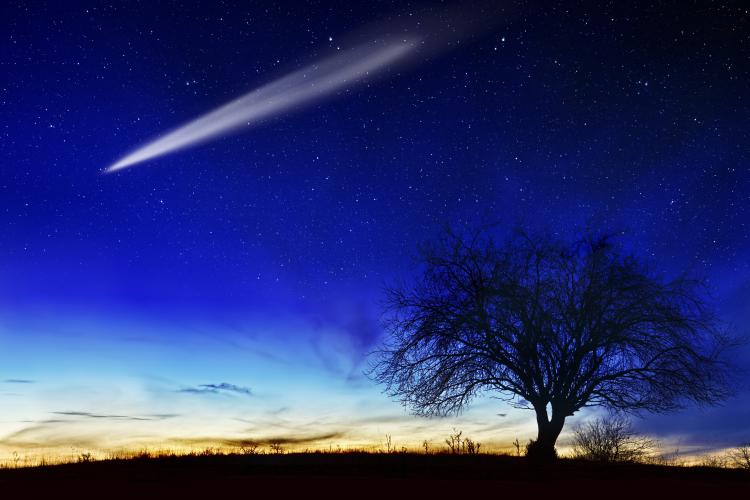
Interestingly, August 24 is not the peak date for any one specific meteor shower. In 2026, for example, the famous Perseids remain active until August 24, but their peak occurred on the night of August 12–13. So “Shooting Star Day” is more of a symbolic continuation of the August meteor-watching season than a date tied to any one specific meteor shower.
Where Did This Holiday Come From?
The history of Shooting Star Day itself is not as clear-cut as the history of, say, Independence Day or international commemorative dates. In public calendars, it is listed as an annual unofficial holiday, but there is no universally recognized founder, specific organization, or event that officially established this day. That is why it is more accurate to call it a themed date dedicated to stargazing rather than an official holiday.

The popularity of such dates is largely due to the phenomenon of meteor showers itself. People don’t need to make a special trip to an observatory or buy expensive equipment. On a clear night, all you need to do is go out into an open area, let your eyes adjust to the darkness, and look up. And August is especially well-suited for this. It is during this period each year that one of the most famous meteor showers—the Perseids—occurs. NASA calls it one of the brightest and most popular meteor showers of the year. In 2026, the Perseids were active until August 24, although the highest number of meteors could be seen on the night of August 12–13.
What Is Actually Called a Shooting Star
There’s a bit of a cosmic misconception here that humanity has grown accustomed to over thousands of years. A shooting star isn’t a star at all. NASA explains that this is the name given to a meteor—a bright trail that appears when a small particle of cosmic material enters Earth’s atmosphere and heats up. In space, this object is called a meteoroid, and when it creates a light trail in the atmosphere, it’s called a meteor. If part of the object survives the descent and reaches Earth’s surface, it’s called a meteorite.
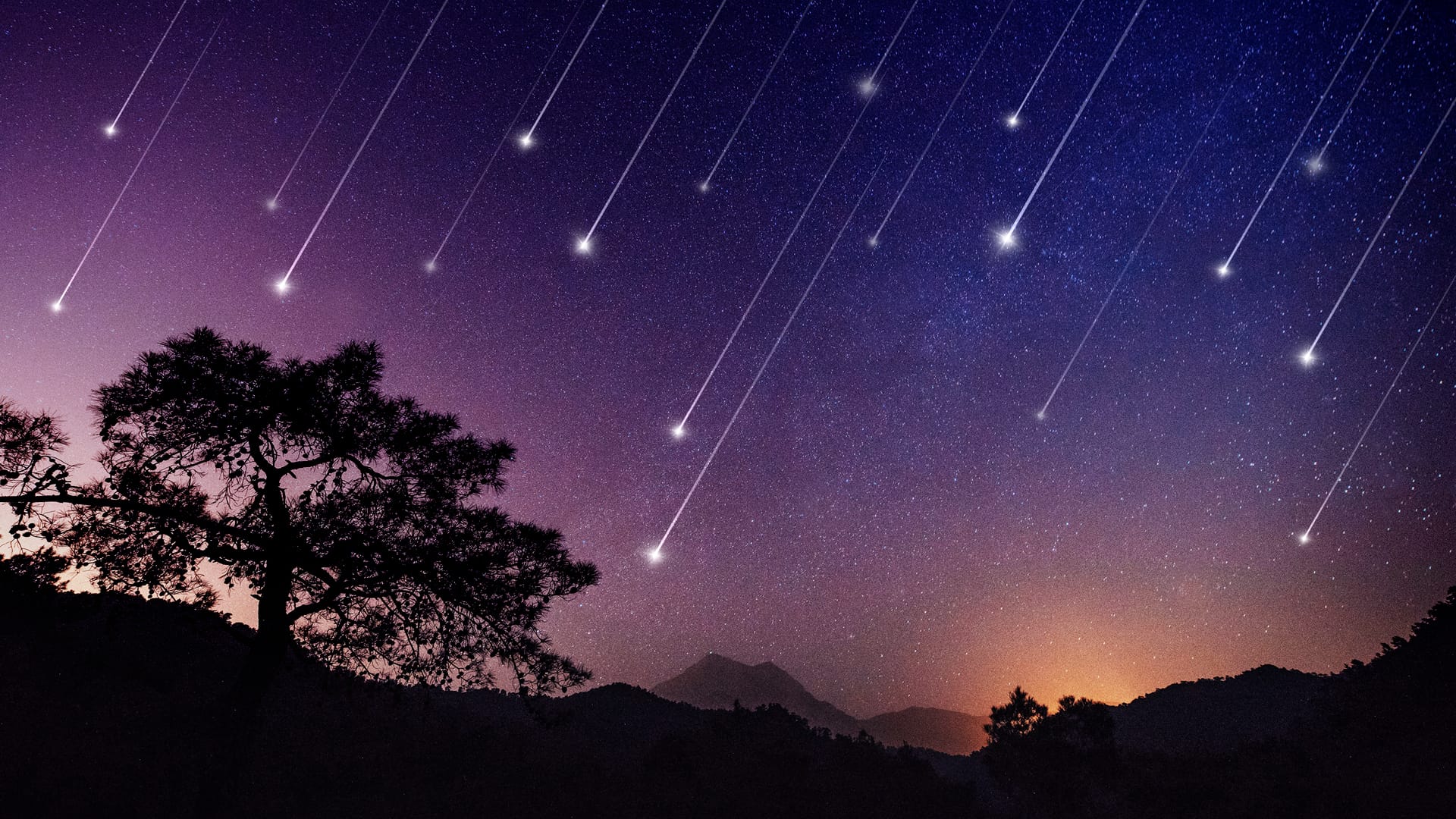
Most of the particles that create meteors are very small. NASA notes that they can range in size from a grain of sand to a pea. Despite this, they are capable of creating a bright flash because they travel through the atmosphere at tremendous speeds. So that “star” that flashed overhead for a second might actually be a tiny piece of material left over from a comet or an asteroid.
Why Meteor Showers Occur
Meteors can be seen on almost any clear night. But sometimes there are many more of them. That’s when we talk about a meteor shower. A meteor shower occurs when Earth passes through a stream of dust and debris left behind by a comet or, less commonly, an asteroid. When these particles enter the atmosphere, they create dozens or even hundreds of streaks of light.
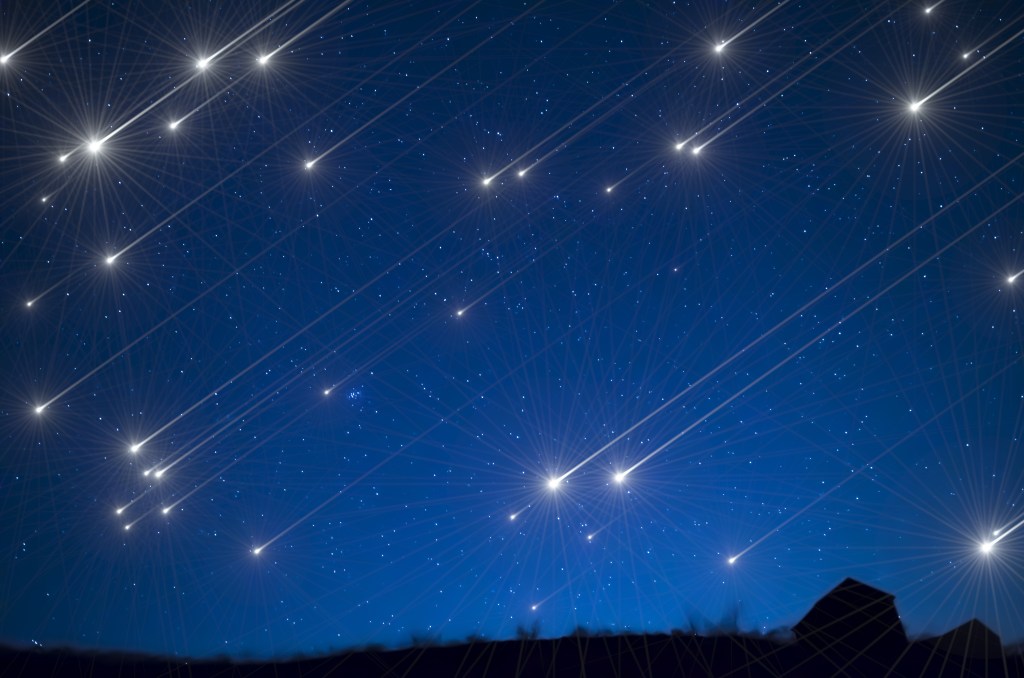
Every known meteor shower has its own “cosmic relative.” For example, the Perseids are associated with Comet 109P/Swift-Tuttle. Every year, Earth passes through the stream of particles left behind by the comet, which is why the Perseids return around the same time each year. That is why meteor showers can be predicted. Astronomers know when Earth will cross certain sections of the comet’s orbit and when to expect the most meteors.
Why Are the Perseids So Famous?
The Perseids are considered one of the most popular meteor showers of the year. They are active in the summer, when observing the night sky is much more comfortable than in the winter. In 2026, NASA reported that the Perseids peaked on the night of August 12–13. The new moon provided particularly good viewing conditions, as the faint moonlight did not interfere with observations. Under favorable conditions, it was possible to see dozens of meteors per hour, and in some years, the number of visible meteors can be even higher.
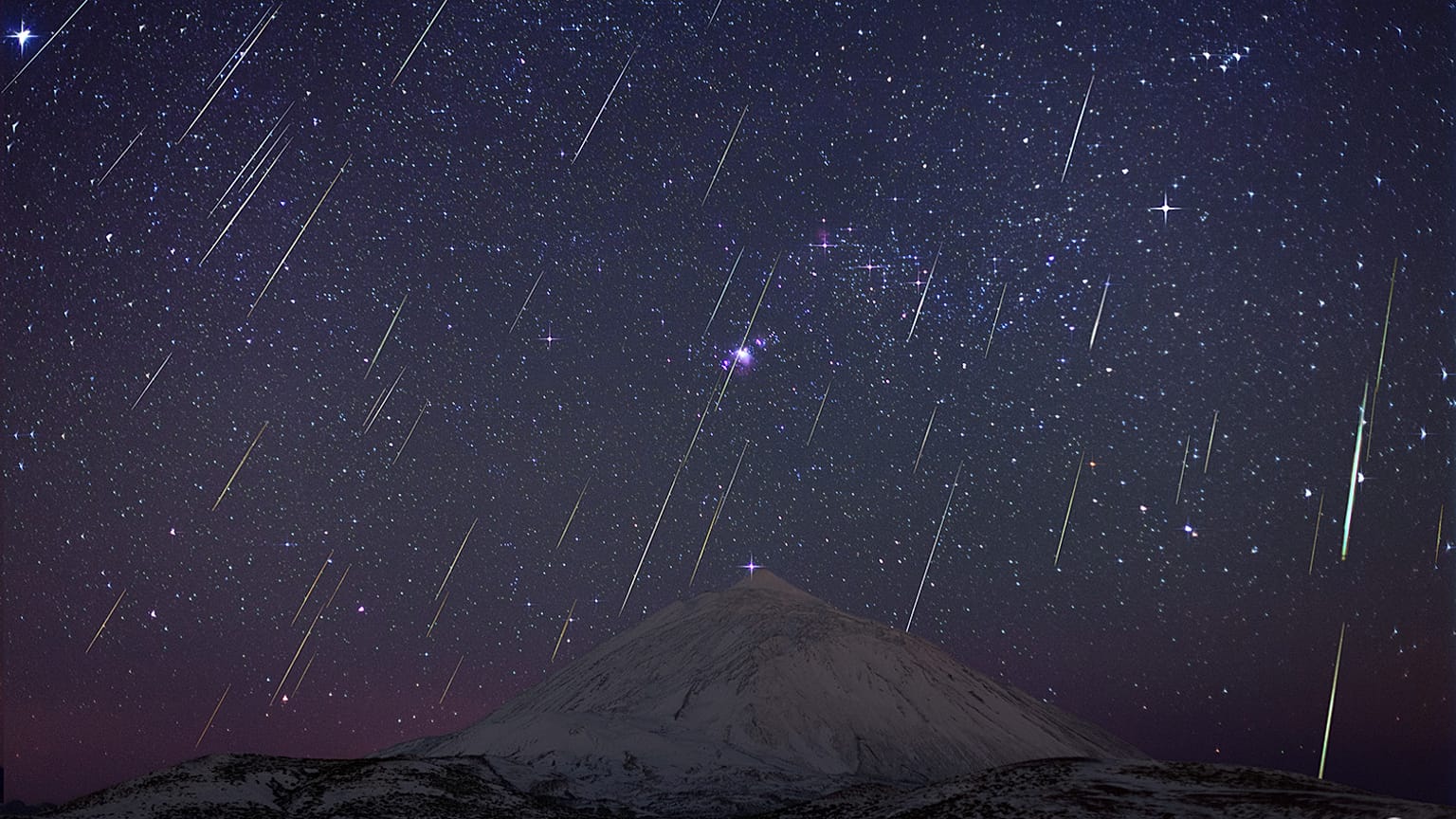
Perseids can leave long trails of light in their wake. Some meteors have noticeable color hues, so observing them can be truly spectacular even without special equipment. And although peak activity has already passed by August 24, individual Perseids can still be seen until the end of the meteor shower’s active period. NASA lists August 24 as the last day of Perseid activity in 2026.
How to Watch Shooting Stars
You don’t need a telescope to observe meteors. In fact, a telescope can actually be a hindrance in this case, since it shows only a very small portion of the sky. It’s best to find a spot as far away from city lights as possible. This could be a field, the shore of a body of water, a hill, or simply a dark area outside the city. The less artificial light there is around you, the more faint meteors you’ll be able to spot.
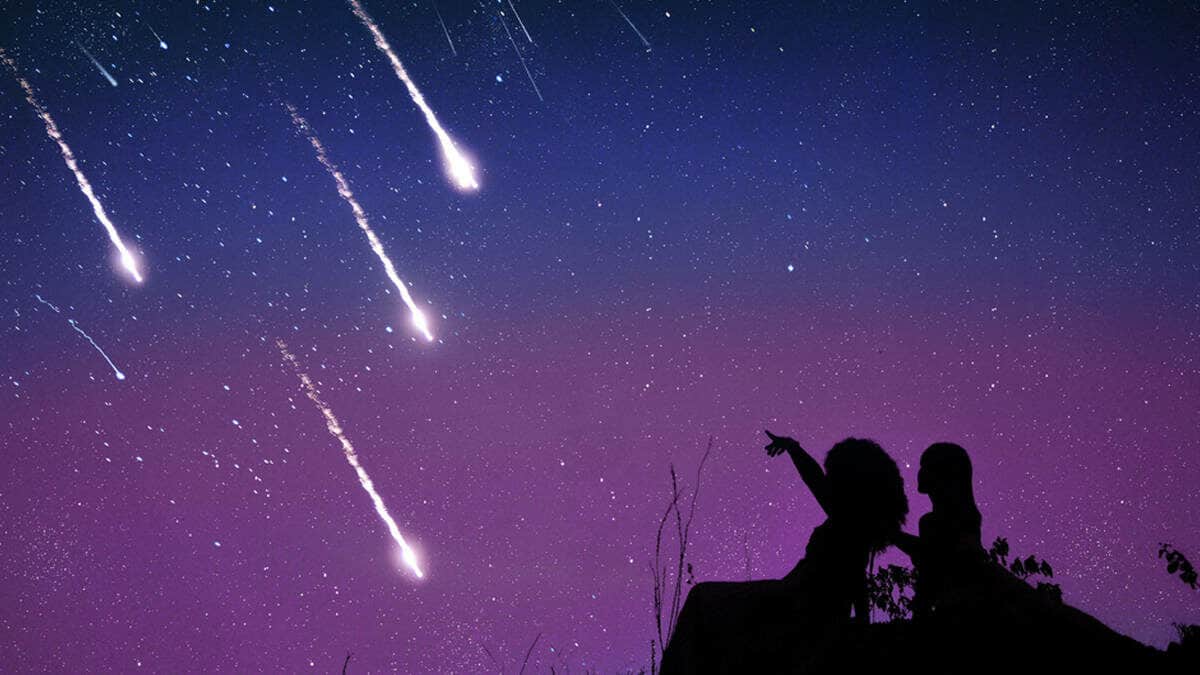
Sit or lie down comfortably and look not at a single specific point, but at a large portion of the sky. It’s best to give your eyes about 20–30 minutes to adjust to the darkness. After that, faint stars and meteors become more visible. NASA also advises against using binoculars or a telescope for casual meteor shower viewing. The best “equipment” might be a chair or sleeping pad, warm clothes, and patience.
Should You Make a Wish?
This is where science meets an ancient human tradition. Making a wish upon seeing a shooting star is a popular folkloric custom. Of course, there’s no scientific proof that a meteor can grant a wish. But the tradition remains one of the most well-known associations with meteors.

So, Shooting Star Day can serve as an excuse to take a little break. Go outside in the evening, look up at the sky, make a wish, or simply chat with loved ones—no special rituals are needed for this. And even if your wish doesn’t come true, at least there’s a chance to witness a real cosmic phenomenon.
How to Celebrate Shooting Star Day
Since this is an unofficial date, there are no set rules for celebrating it. People can celebrate it however they like. The most obvious option is to go out in the evening or at night to watch the sky. You can head out of town with friends or family, bring a blanket and some tea, and spend a few hours under the open sky. Another option is to host a small house party with space-themed movies or read together about comets, asteroids, and meteorites.
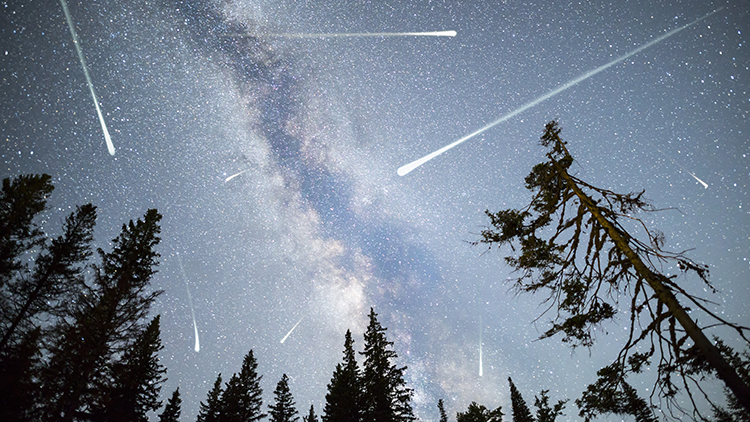
Even more exciting is trying to photograph a meteor shower. For this, you’ll need a camera or smartphone with the right shooting mode, though it’s much easier to get high-quality results using a camera mounted on a tripod. For children, this day can be a great opportunity to talk about space. You can explain the difference between a meteor, a meteoroid, and a meteorite, talk about comets, and look for constellations in the sky together.
Interesting Facts About Shooting Stars
Shooting stars do not fall to Earth as stars. In most cases, the particle completely burns up or vaporizes in the atmosphere. Only a few larger fragments reach the planet’s surface—these are the ones that become meteorites.
Meteors can appear anywhere in the sky. During a meteor shower, they only appear to be shooting out from a specific point. This point is called the radiant, and the showers themselves are often named after the constellations near which their radiant is located.
The Perseids are left behind by a comet. Their source is Comet Swift-Tuttle, which orbits the Sun approximately once every 135 years. Every year, Earth encounters the particles left behind along its orbit.
Meteors are extremely fast. The particles enter the atmosphere at tremendous speeds, which is why they can turn an ordinary dark patch of sky into a bright flash in a fraction of a second.
A meteor shower can last not just a few seconds, but hours. While an individual meteor does indeed vanish almost instantly, a meteor shower can remain active for several days or even weeks.
August 24 isn’t necessarily the best night for meteor watching. In 2026, the main August peak of the Perseids occurred earlier—on the night of August 13. Therefore, “Shooting Star Day” should be viewed primarily as a symbolic date for night sky enthusiasts, and it’s best to determine the specific time for observations using a meteor shower calendar.
What to Do on August 24
This evening, you can simply step outside and see what’s happening overhead. If you’re far from bright city lights, your chances of seeing a meteor will be much better. You can also find the nearest planetarium or astronomy club, read about the Perseids, or watch live streams of sky observations. And if the sky is cloudy, the celebration won’t be ruined—you can spend the evening with a book or a documentary about the universe.

And, of course, you can make a wish. Not because a meteor is guaranteed to grant it, but simply because sometimes we all need a reason to look up and remember just how vast the world around us is.


