
Holiday on June 26: Madagascar celebrates Independence Day
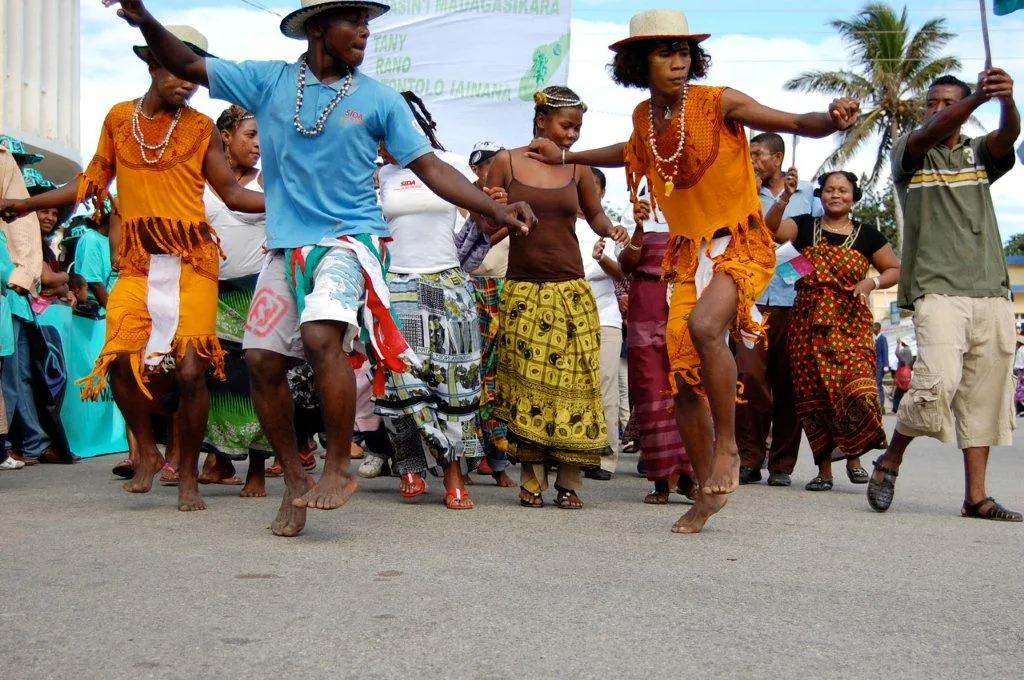
On June 26, the people of Madagascar celebrate the country’s main national holiday—Independence Day. It was on this day in 1960 that the island officially gained independence from French colonial rule and became a sovereign state. For the Malagasy people, this is not just a day off, but a day of national pride, remembrance, and unity.
Every year on June 26, the Republic of Madagascar celebrates its national holiday—Independence Day. It was on this day in 1960 that the country officially gained its freedom from France after many years of colonial rule. Today, it is the most important national holiday on the island, bringing people together regardless of age, profession, or place of residence.
How Madagascar Achieved Independence
Madagascar’s history spans many centuries, but by the late 19th century, the island had come under French control. In 1896, the country was officially incorporated into the French colonial empire. Many residents opposed this situation, so movements for freedom and self-determination emerged on the island over the course of decades.

One of the most famous chapters in this struggle was the 1947 uprising. It was brutally suppressed, but the desire for independence only grew stronger. In 1958, Madagascar gained extensive autonomy, and just two years later, full independence. Filiber Tsiranana became the first president of the new state. For the country’s residents, this date has become a symbol of freedom, the right to determine their own future, and to build their own nation.
When Is Independence Day Celebrated
The date of the holiday is fixed—June 26. In 2026, Madagascar’s Independence Day falls on a Friday. It is an official public holiday, when most institutions, schools, and government agencies are closed. Celebrations begin several days before the main date. Streets are decorated with flags, and cities host concerts, fairs, and festive events.
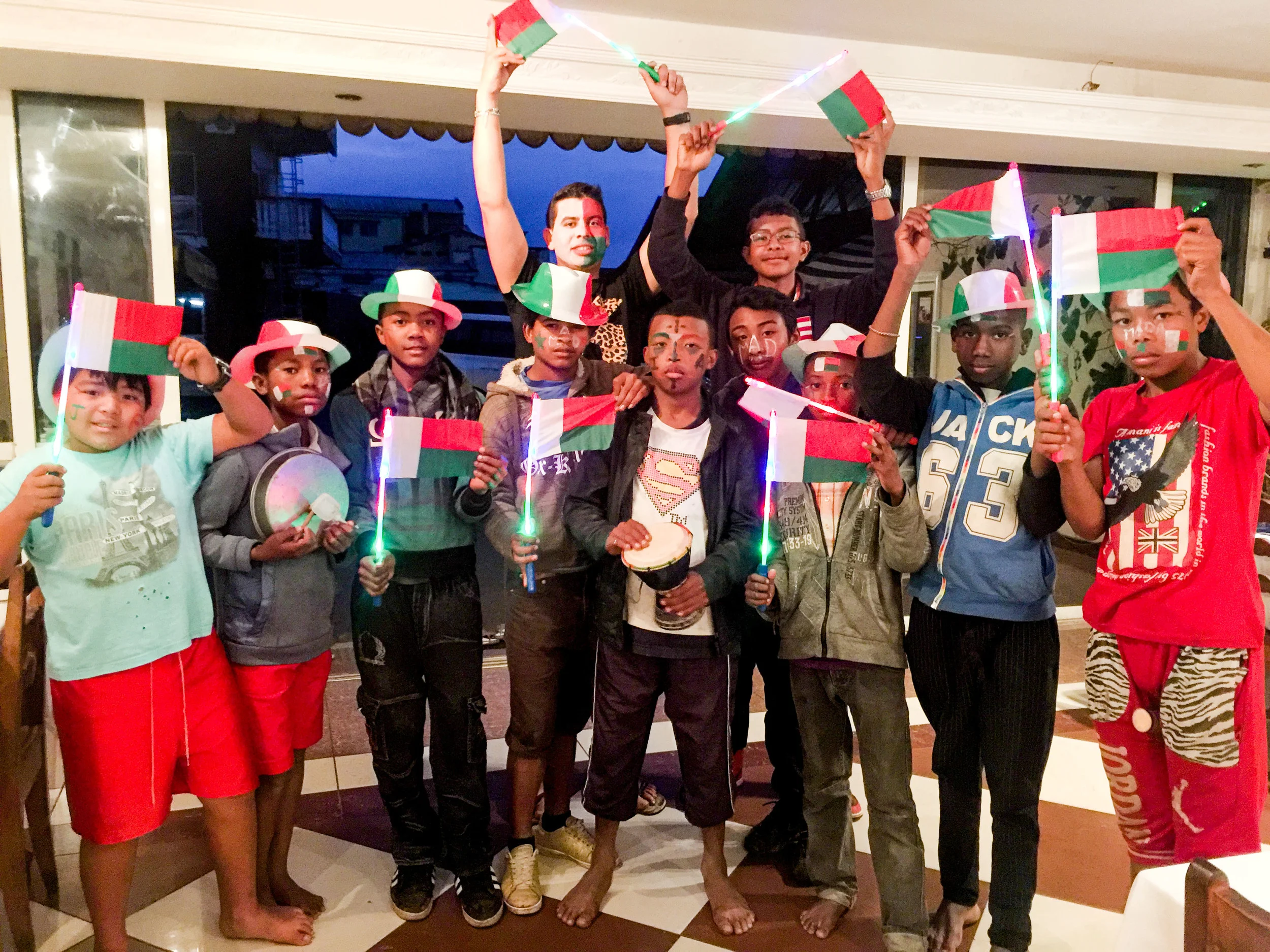
How Independence is Celebrated on the Island
The largest celebrations take place in the country’s capital, Antananarivo. A grand military parade is held there, featuring military personnel, police, and representatives of various government agencies. Thousands of people traditionally attend the festivities.

However, the celebrations are not limited to official ceremonies. For many residents, it is first and foremost a family holiday. People gather together, set the table, listen to music, dance, and spend time with their loved ones. In cities and villages, folk festivals, concerts, and open-air festivals are held. In the evening, fireworks light up the sky across the country. For many Malagasy people, the festive fireworks display has become one of the main symbols of Independence Day.
Lanterns, without which it’s hard to imagine this holiday
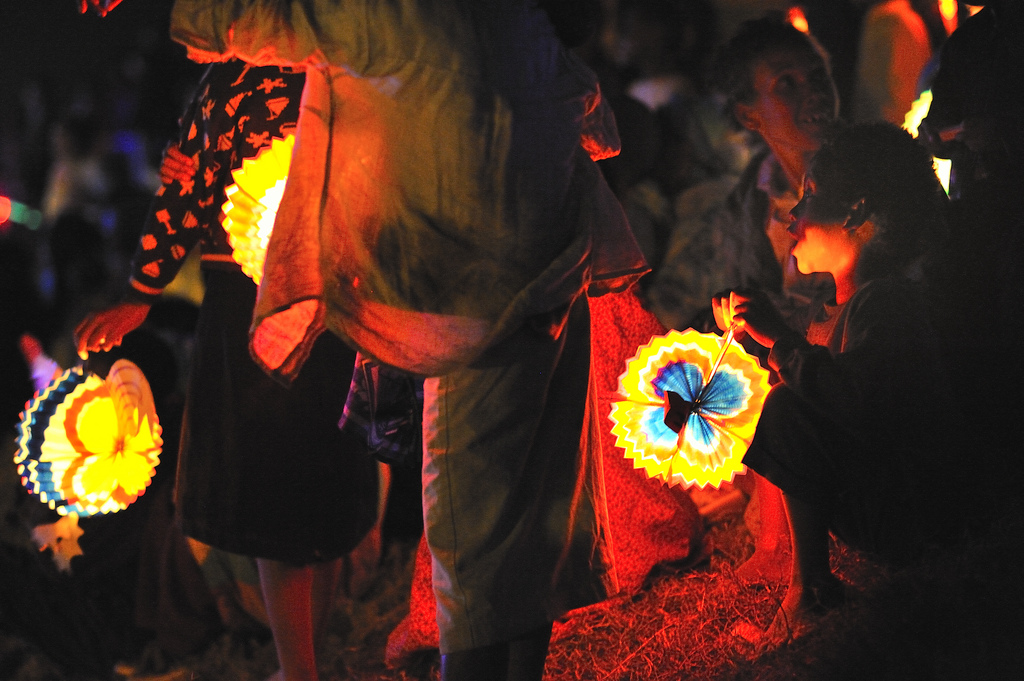
One of Madagascar’s most interesting traditions is connected with festive lanterns called “arendrina.” On the eve of the holiday, children and adults make them out of paper and other lightweight materials, then light them in the streets in the evening. In many cities, you can see entire processions of people carrying bright lanterns of various shapes and colors. For locals, this is a symbol of light, hope, and freedom.
Interesting Facts About Madagascar’s Independence Day
Madagascar is the fourth-largest island in the world. That is why Independence Day is celebrated across a vast territory—from densely populated cities to remote coastal villages.

Another interesting fact is that the celebrations often begin not on June 26, but a few days before it. June is generally considered one of the most festive months of the year in the country. On this day, national flags fly throughout the country. They can be seen not only on government buildings but also on the homes of ordinary citizens.
Why This Holiday Is Important Today
For modern Madagascar, Independence Day is a reminder of the difficult path to freedom. It is a day when people remember those who fought for the country’s right to independence, while also looking toward the future. During the celebrations, speeches often focus on unity, national development, and the importance of preserving national culture. Many citizens wear clothes in the colors of the national flag, participate in festive events, and uphold local traditions.

As the Malagasy people themselves say, “Independence Day is the day when the whole country remembers that freedom comes at a price.” That is why June 26 remains for them not just a historical date, but a true symbol of national pride.


