
June 3 Holiday: World Cider Day and the History of a Beverage

June 3 marks World Cider Day. This holiday is dedicated to one of the oldest fruit beverages, which has been part of the culture of various countries for centuries. On this day, festivals, tastings, and tours of cider-making facilities are held to introduce people to the traditions of cider production.
Every year on June 3, many countries celebrate World Cider Day. Its main goal is to draw attention to the history of the beverage, support producers, and highlight the cultural significance of cider for entire regions. Cider is a beverage produced by fermenting apple juice. In some countries, cider is also made from pears or other fruits, but the apple variety is considered the classic version.
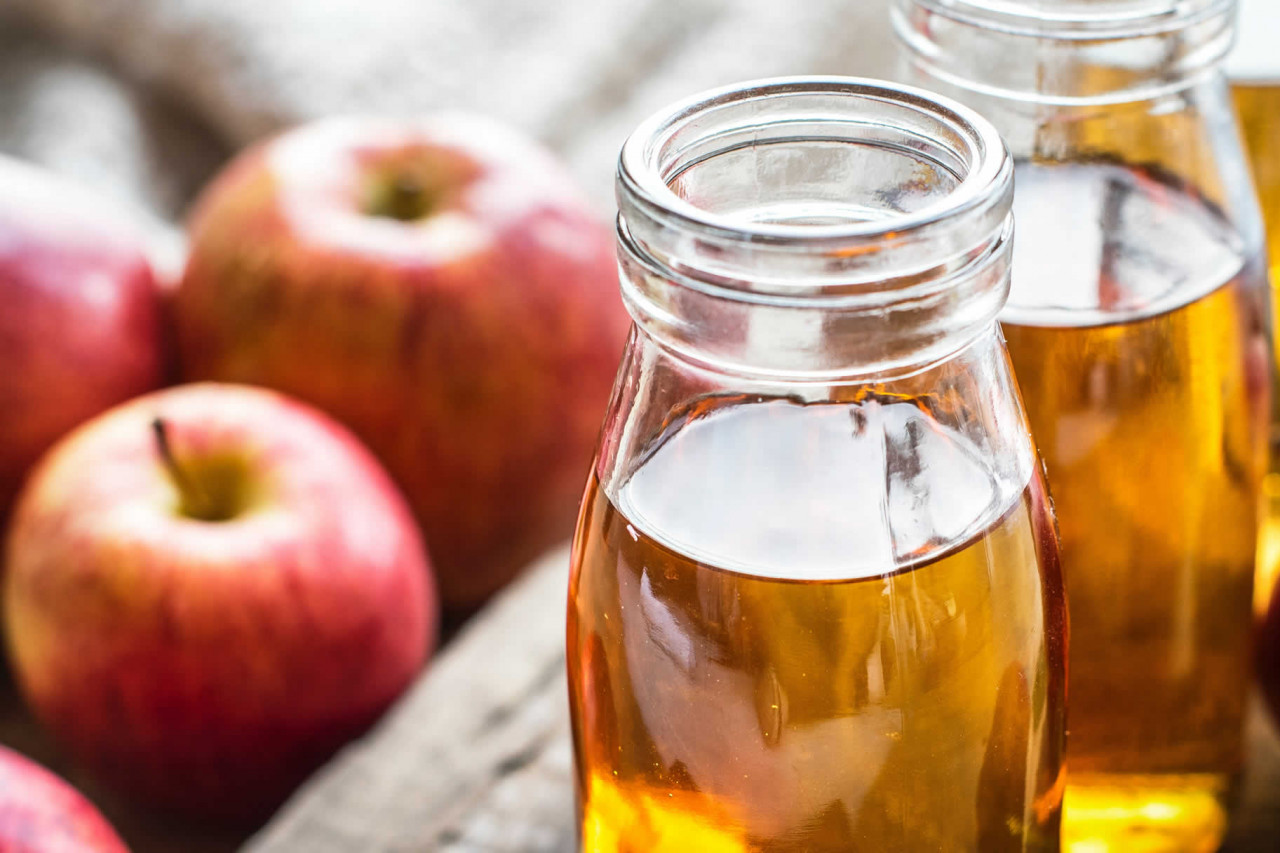
For many people, cider is associated with summer, relaxation, and traditional holidays. But its history is much deeper than it might seem at first glance. World Cider Day has become an international event relatively recently, but it has quickly gained popularity among producers and enthusiasts of this beverage in Europe, North America, and Australia.
How Cider Came to Be
Historians cannot pinpoint the exact date of cider’s origin. It is believed that people began making apple-based beverages thousands of years ago. The earliest references to fermented apple juice can be found in historical sources from ancient times. Some researchers believe that cider may have been produced by the ancient Celts. Later, the tradition was adopted by the inhabitants of modern-day Great Britain, France, and Spain.

The drink gained particular popularity in medieval Europe. In many regions, cider was a safer alternative to ordinary water, which often did not meet sanitary standards. Over time, different countries developed their own traditions of cider production, which have survived to this day.
Why cider has become part of the culture of entire regions
In many parts of Europe, cider is more than just a drink. For example, in Normandy, France, it is considered part of the local heritage. Here, generations of farmers have grown special apple varieties specifically for cider production.

In Asturias, Spain, cider has become a true symbol of the region. Locals have a special tradition of pouring the drink from a height so that it becomes oxygenated and reveals its full flavor.

In Great Britain, cider has been one of the most popular drinks for centuries. In some counties, its production remains an important part of the local economy even today.

In the U.S. and Australia, cider is experiencing a true renaissance. In recent years, hundreds of new cideries have opened there, experimenting with flavors and technologies.

How World Cider Day Is Celebrated
Different countries celebrate in their own way. Most often, large cider festivals are organized on this day, where you can try dozens or even hundreds of different varieties of the drink. Many producers hold open houses. Visitors can see the entire production process—from apple picking to bottling the finished product.

Gastronomic events are popular, during which chefs pair dishes with different types of cider. In some cities, themed fairs, concerts, and cultural events are held, dedicated to the history of apple orchards and the traditions of local producers. For many people, it’s simply an excuse to get together with friends and try new flavors.
How Cider Is Made
The cider-making process is fairly simple, yet it requires a great deal of experience. First, the apples are harvested. Special varieties are often used for cider, which aren’t always suitable for regular consumption. After harvesting, the fruit is washed and crushed. Then the juice is pressed from them.
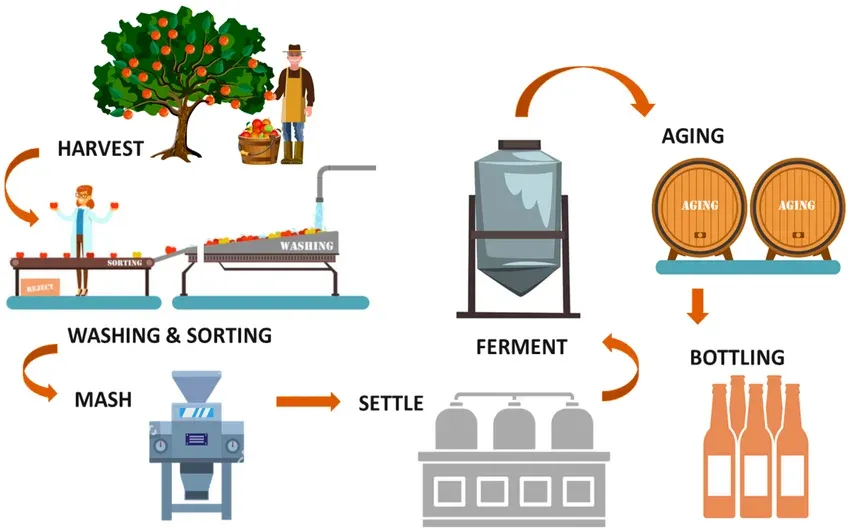
The next step is fermentation. It is during this process that natural sugars are converted into alcohol. After fermentation is complete, the cider is aged to develop its final flavor.
Next, the drink is filtered and bottled or kegged. Technologies may vary from country to country, so ciders often have very different flavors even when made from similar apple varieties.
Interesting facts about cider
Cider is considered one of the oldest fruit-based alcoholic beverages in the world. In some regions of France and Spain, there are apple orchards that are over a hundred years old.

The Spanish tradition of pouring cider from a height sometimes looks like a real show. This requires special skill. In the UK, hundreds of millions of liters of cider are produced every year.
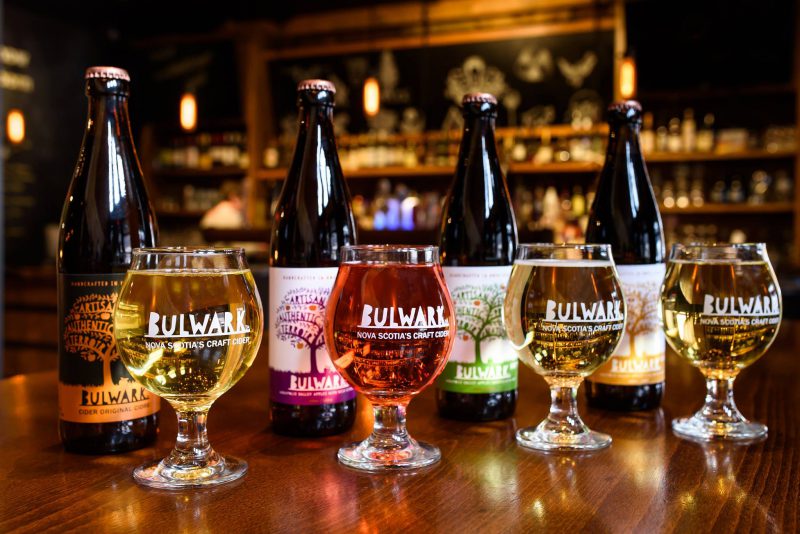
Today, there are not only apple varieties of this drink, but also pear, berry, and even spiced varieties. Some modern producers create ciders with added honey, spices, or fruit juices.
Does cider have health benefits?
Experts emphasize that any alcoholic beverages should be consumed responsibly and in moderation. At the same time, cider contains natural substances derived from apples. These include antioxidants, organic acids, and small amounts of vitamins.

This is especially true for unfiltered ciders, which undergo minimal processing. However, doctors remind us that cider remains an alcoholic beverage, so it is not recommended for children, pregnant women, and people with certain medical conditions.
When is it celebrated in 2026
In 2026, World Cider Day falls on Wednesday, June 3. On this day, festivals, tastings, and themed events dedicated to one of the oldest fruit drinks in the world will take place in various countries.

World Cider Day is not so much about alcohol as it is about traditions, farming, and culture. It serves as a reminder of how a simple apple became the basis for a beverage that has united different countries and generations. And while recipes may vary from region to region, the main idea remains the same—respect for the work of the people who have preserved cider-making traditions for centuries and passed them down to their descendants.


