
September 3, 2026 Holiday — Cabernet Day: How a Serendipitous Grape Variety Became a Global Favorite
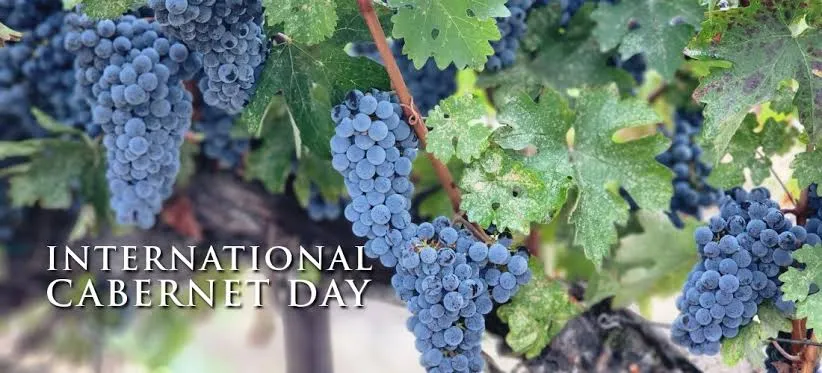
On September 3, 2026, wine lovers celebrate International Cabernet Day. This unofficial wine holiday began as a global social media campaign and has since evolved into an occasion to host tastings, discover new wines, and discuss one of the world’s most famous grape varieties.
International Cabernet Day falls annually on the Thursday before Labor Day in the U.S. Since Labor Day in 2026 falls on Monday, September 7, Cabernet Day will be celebrated on Thursday, September 3. This is the date for 2026 indicated by wineries and wine organizations that participate in the tradition.

At the same time, it is important to understand that this is not a national or official international holiday. It is not listed among the official dates of the UN or other international organizations. Cabernet Day is rather an informal global initiative by winemakers, restaurants, sommeliers, and wine enthusiasts.
The star of the day is Cabernet Sauvignon. This red grape variety is used to produce full-bodied wines with pronounced tannins and distinctive aromas of dark berries. But the celebration isn’t limited to pure Cabernet Sauvignon. It can also include Cabernet Franc and wines where Cabernet is the base of the blend. This day is celebrated differently in various countries. Some organize professional tastings, others open a bottle at home with friends, and still others simply share their favorite Cabernet on social media.
How Cabernet Day Came to Be
The history of this day did not begin in medieval France, nor even in one of the famous wine-producing regions. It was conceived in the age of social media. The initiator was Rick Bacchus, a marketing and social media specialist who was working at the St. Supéry winery in California’s Napa Valley at the time. In 2010, he proposed holding a day dedicated to Cabernet in the form of a large-scale online tasting.

The idea was quite simple. People in different countries were to open a bottle of Cabernet, taste the wine, and share their impressions online. They used the hashtag #CabernetDay for this. In the early years, Twitter was the main platform. Participants wrote short reviews, posted photos of bottles, discussed the taste, and compared wines from different countries. Facebook, blogs, YouTube, and other social media platforms also joined the event.
The first large-scale Cabernet Day took place on September 2, 2010. At that time, the event lasted 24 hours so that people from different time zones could join in. Participants posted messages with the hashtag and effectively organized an international virtual wine tasting.

According to reports from that time, about 1,750 people joined the event in 2010, leaving approximately 7,200 posts on social media. The very next year, the number of participants exceeded 5,000, and the total number of posts, videos, and other activities reached about 17,000. Thus, this informal event gradually expanded beyond the boundaries of a single wine-growing valley and became an international tradition.
Why Cabernet Sauvignon?
Cabernet Sauvignon is one of the most famous red grape varieties in the world. It is grown in many major wine-producing regions—from Bordeaux in France to California, Australia, Chile, and South Africa. This variety is prized for its richness, high acidity, pronounced tannins, and ability to age well over time. In young wines, you can detect dark berries, black currants, cherries, and, in some cases, herbal or peppery notes. After aging in oak barrels, hints of vanilla, cedar, spices, and tobacco may emerge.
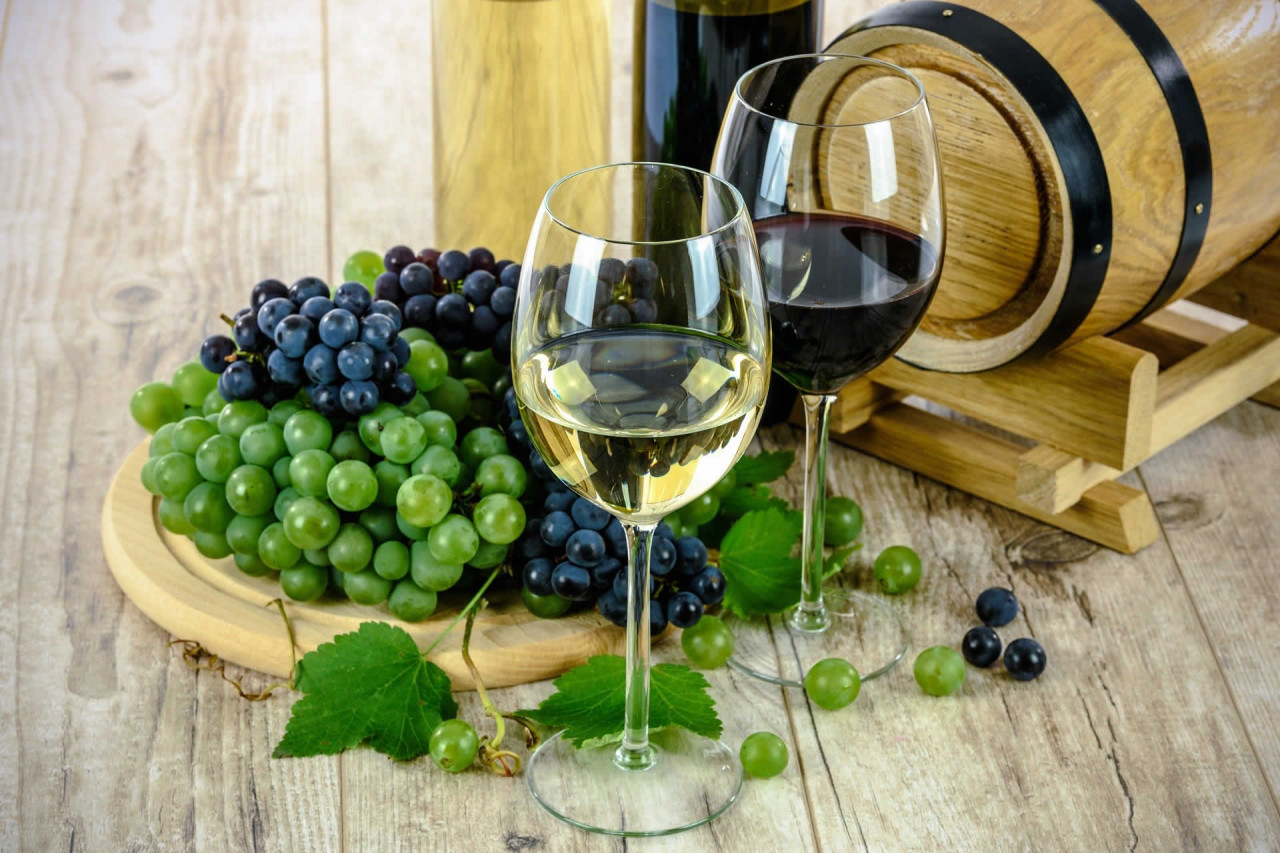
The grapes have thick skins and small berries. This is what helps produce a wine with deep color and high tannin content. Cabernet also ripens quite late, so a warm summer and plenty of sunshine are essential for it. The variety has adapted well to various wine-growing regions. At the same time, it is not entirely undemanding. If the end of the season is cool and overcast, the grapes may not have time to fully ripen.

It is precisely this combination of power, distinctive flavor, and the ability to vary depending on the growing region that has made Cabernet Sauvignon one of the leading varieties in global winemaking.
Cabernet has unexpected “parents”
The origins of Cabernet Sauvignon remained a mystery for a long time. Winemakers had known this variety for centuries but did not understand exactly where it came from. Genetic research changed that. In the 1990s, a team from the University of California, Davis, conducted DNA analysis of various grape varieties. In 1997, the researchers published their findings, which showed that Cabernet Sauvignon is a descendant of Cabernet Franc and Sauvignon Blanc.
This turned out to be a rather unexpected discovery. One of its “parents” is the red Cabernet Franc, and the other is the white Sauvignon Blanc. Scientists speculate that the crossbreeding occurred naturally. Most likely, this occurred in Bordeaux around the 17th century, when vines of the two varieties grew in close proximity to one another. In other words, Cabernet Sauvignon, unlike many modern cultivated varieties, was not the result of a deliberate experiment by breeders.
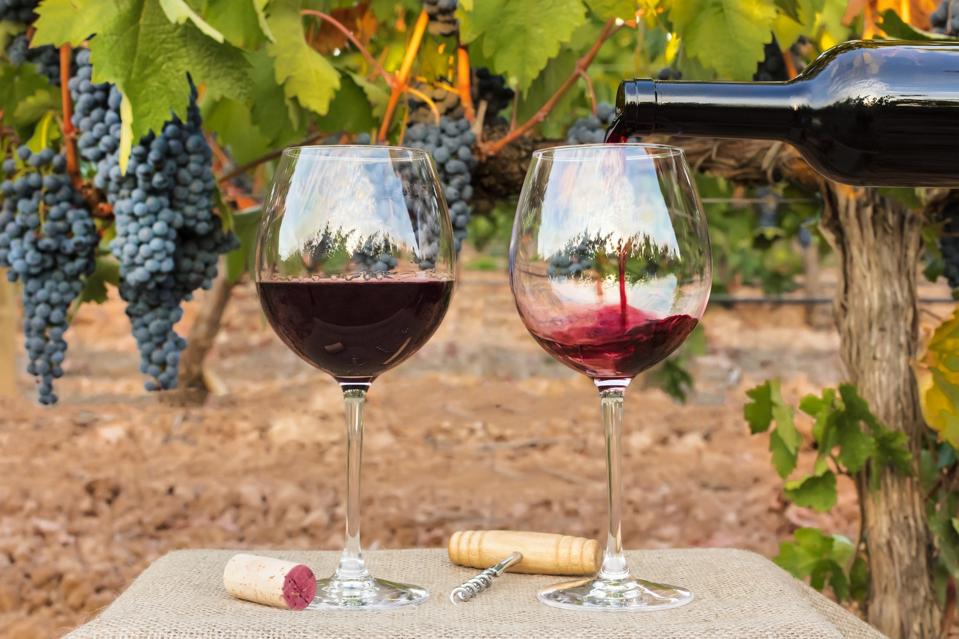
This is one of the most fascinating stories in winemaking: one of the world’s most famous grape varieties actually came about through a chance, natural crossbreeding.
Where Cabernet Sauvignon Is Grown
Bordeaux in southwestern France is considered the variety’s birthplace. Cabernet Sauvignon is particularly closely associated with the vineyards of the Left Bank of the Gironde, specifically the Médoc and Graves regions. In Bordeaux, it is often used not on its own but as part of blends. Together with Merlot, Cabernet Franc, and other varieties, it defines the famous style of Bordeaux wines.
But outside of France, Cabernet has long since become a wine brand in its own right. The variety has become particularly well-known in California, where it is grown on a large scale. In 2025, California had about 90,000 acres of Cabernet Sauvignon vineyards, with the largest areas concentrated in Napa, San Luis Obispo, Sonoma, and San Joaquin counties. Cabernet also has a long history in Australia. The first plantings there date back to the 19th century, and some of the older vineyards continue to bear fruit today.
The variety is also grown in Chile, Argentina, South Africa, Italy, Spain, and other countries. Therefore, the same name on a bottle does not necessarily mean the same taste. The soil, temperature, amount of sunlight, aging method, and the winemaker’s craftsmanship can significantly alter the character of the wine.
What Cabernet Tastes Like
Classic Cabernet Sauvignon usually has a deep color and a fairly pronounced structure. Due to its high tannin content, young wine may seem astringent. It is the tannins that create the characteristic dry sensation in the mouth after a sip. The aroma often features black currant, blackberry, black cherry, and other dark berries. Depending on the climate and the ripeness of the grapes, herbaceous, spicy, or even peppery notes may emerge.
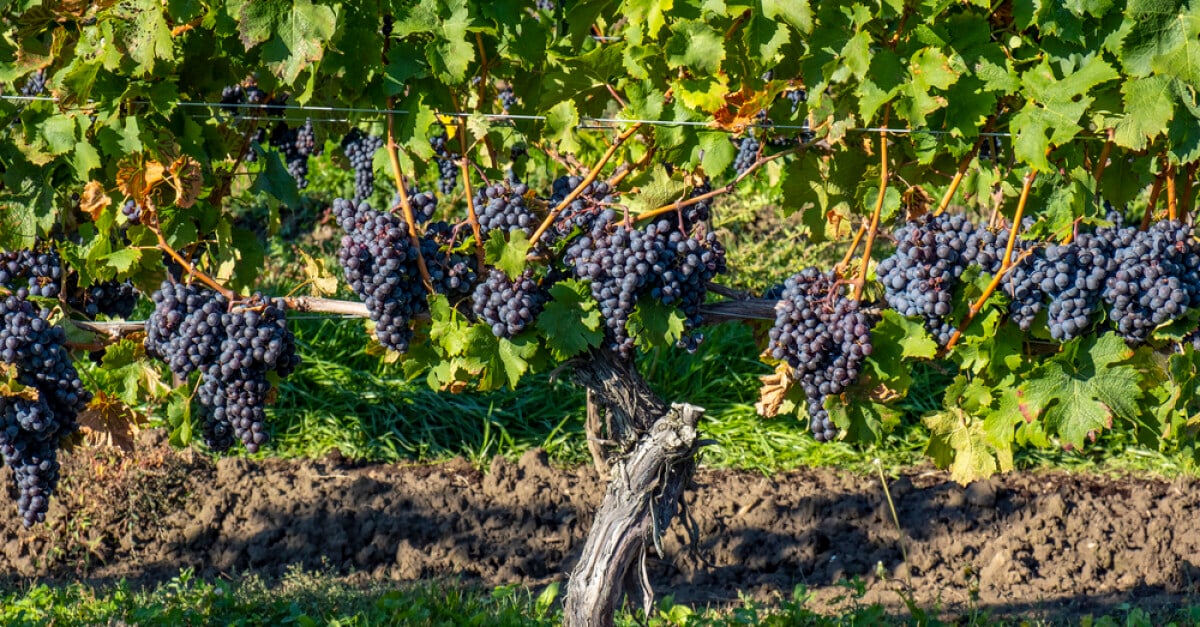
Aging in oak adds another layer of flavor. The wine may reveal hints of vanilla, cedar, spices, coffee, tobacco, or chocolate. In cooler climates, Cabernet Sauvignon can be fresher and more herbaceous. In warmer regions, it is usually fruitier, richer, and smoother.
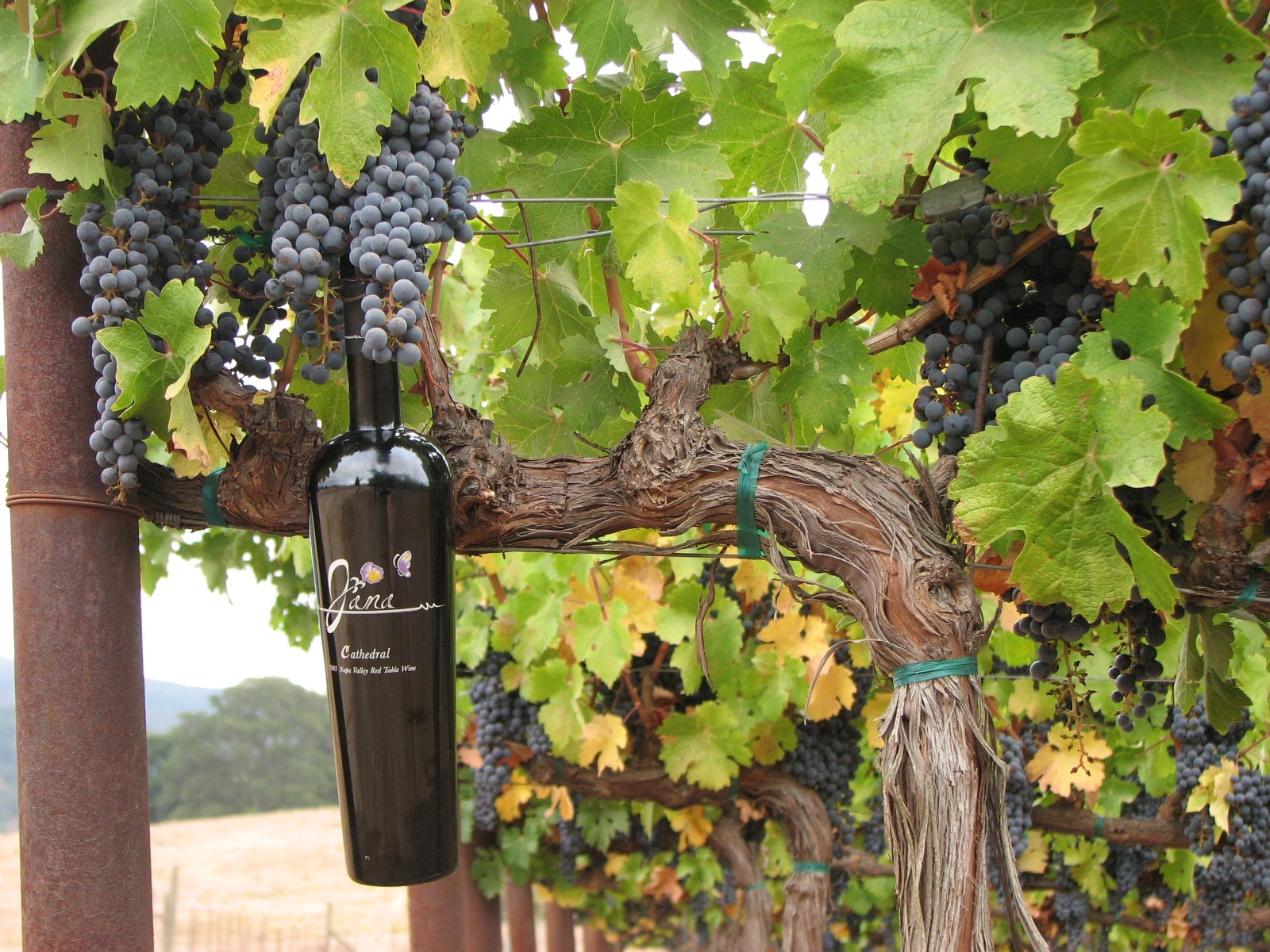
That’s why tasting Cabernet Sauvignon can be interesting even for someone who has already tried this variety many times. Cabernets from Bordeaux, Napa, and Australia can be quite different, even though the label bears the same name.
How International Cabernet Day Is Celebrated
The holiday was originally conceived as an online tasting. That’s why social media remains an important part of the tradition to this day. People open bottles of Cabernet Sauvignon, take photos of the wine, and share their impressions. They use the hashtag #CabernetDay in their posts, which allows them to find posts from other participants.
Wineries and wine shops may host special tastings. Restaurants sometimes create special wine menus or suggest pairings of Cabernet with specific dishes. Another popular format is a vertical tasting. This involves comparing several vintages of the same wine from different years. This allows you to see how the wine changes with age.
Another option is a horizontal tasting, where wines of the same variety but from different regions or producers are compared. For example, you could line up Cabernets from Bordeaux, California, and Chile. This format aligns well with the original idea behind the celebration—not just to drink a glass of wine, but to talk about it, compare different options, and share impressions.
What to Pair with Cabernet
Thanks to its rich flavor and pronounced tannins, Cabernet Sauvignon pairs well with hearty dishes. A classic pairing is red meat, particularly steak or beef. The wine is also served with lamb, roasted meats, burgers, and some mushroom dishes. It’s important that the food has a distinct enough flavor so it doesn’t get overshadowed by the wine.
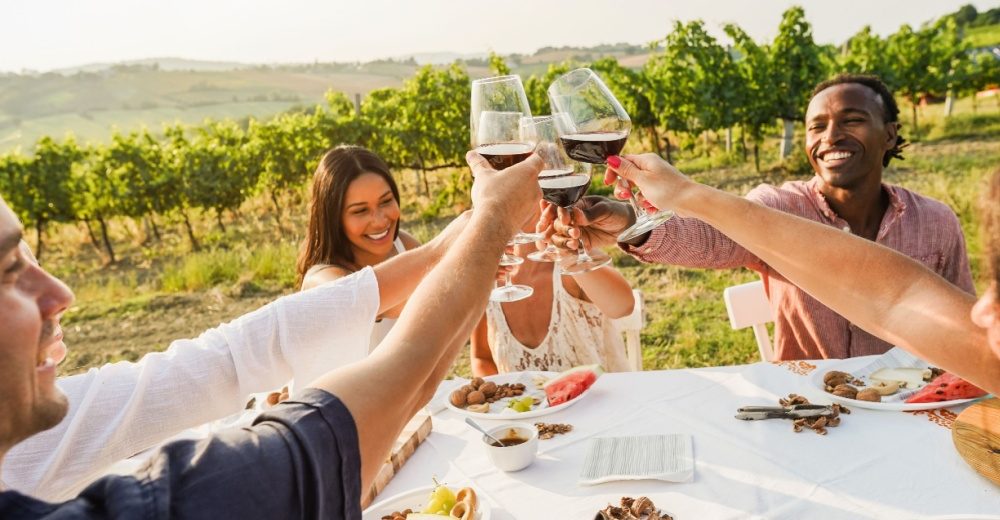
Cabernet’s tannins pair well with the fat content of meat. That’s why the combination of steak and a glass of red wine has become one of the most famous culinary pairings. Cabernet can also be paired with hard, aged cheeses. The strong flavor of the cheese and the richness of the wine can complement each other well. But there is no universal rule. Food pairing depends on the specific wine, its age, region, and production style.
Interesting Facts About Cabernet Sauvignon
Cabernet Sauvignon was long considered one of the oldest and almost “eternal” grape varieties. It wasn’t until genetic studies in the late 20th century that its history was revealed to be much more specific.
A 1997 DNA analysis effectively revealed the variety’s family tree. It turned out that Cabernet Sauvignon is descended from two well-known varieties—Cabernet Franc and Sauvignon Blanc.
Another interesting fact is that the variety’s genetic structure has remained virtually unchanged over the centuries. Since grapevines are propagated by cuttings, modern plants are clones of their predecessors. A study by UC Davis showed that Cabernet Sauvignon still retains the molecular markers of its origins from approximately 400 years ago.
Cabernet is also a late-ripening variety. This is an advantage in regions with long, warm summers, but a problem where fall arrives early. If the grapes don’t have time to ripen fully, the wine may have more herbaceous notes.
Another distinctive feature is the thick skin of the berries. It helps the variety produce a rich color and a significant amount of tannins. That is why Cabernet often has a pronounced structure and is well-suited for aging.
Is Cabernet Really Good for Your Health?
In articles about Cabernet Day, you’ll often come across claims that red wine is supposedly good for the heart because of its antioxidants and tannins. However, it would be incorrect to present this as a proven fact. The World Health Organization emphasizes that there is no established safe level of alcohol consumption. Alcohol is associated with an increased risk of various diseases, including cardiovascular diseases and several types of cancer.
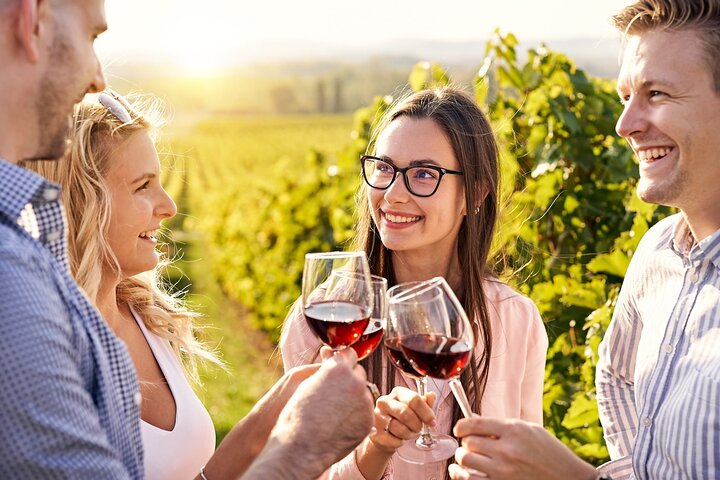
Therefore, Cabernet Day should be viewed primarily as a gastronomic and cultural event, rather than as an occasion to discuss the benefits of alcohol. People who do not drink alcohol can certainly participate by enjoying non-alcoholic wine, grape juice, or simply participating in a tasting without consuming alcohol. It’s also best to avoid the old adage that “a glass of wine a day is healthier than abstaining from alcohol entirely.” Current WHO recommendations do not support the existence of such a “safe” level.
How to Celebrate Cabernet Day Without Getting Too Fancy
The simplest option is to host a small tasting. You don’t have to buy expensive bottles. You can choose two or three wines from different countries and try to identify how they differ. It’s interesting to compare Cabernets from France, Chile, and California. Pay attention to the aroma, acidity, tannins, fruit notes, and aftertaste.

You can also host a tasting with friends and ask everyone to bring a bottle from a different region. Afterward, compare the labels and your impressions. For those who don’t drink alcohol, a non-alcoholic option or a tasting of grape juice from different varieties will work just as well. The main idea of the day is still to explore grapes, wine, and the culture of wine tasting.
And if you want to join this international tradition online, you can post a photo or a short review on social media with the hashtag #CabernetDay. It was posts like these that started this informal celebration over 15 years ago.
Cabernet Day in 2026
In 2026, International Cabernet Day will be celebrated on Thursday, September 3. The date aligns with the holiday’s traditional format—the Thursday before Labor Day in the U.S. On this day, wineries, restaurants, and wine enthusiasts can organize tastings, special evenings, and online events. Some producers also offer themed gift sets or discounts on Cabernet.

For the casual wine lover, this may simply be an opportunity to try a variety they’ve long wanted to discover. And for those who are already well-versed in wine, it’s a chance to compare different regions and vintages. The main thing to remember is that Cabernet Day is an unofficial wine tradition, not an international holiday in a legal or governmental sense. Its uniqueness lies precisely in the fact that it originated on social media and, thanks to it, has become a global event.


