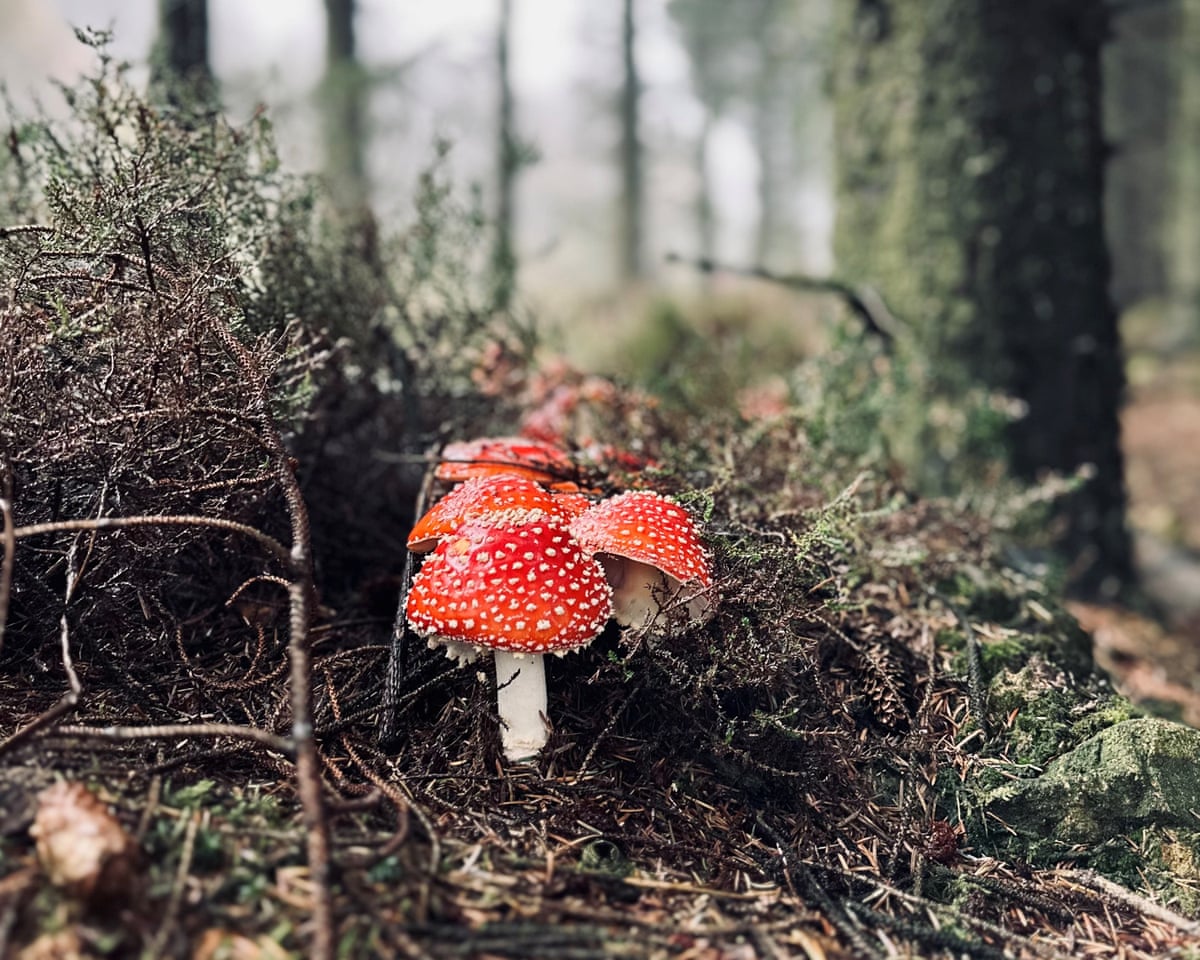
September 5, 2026 — European Mushroom Day: Why the Whole Forest Needs Them
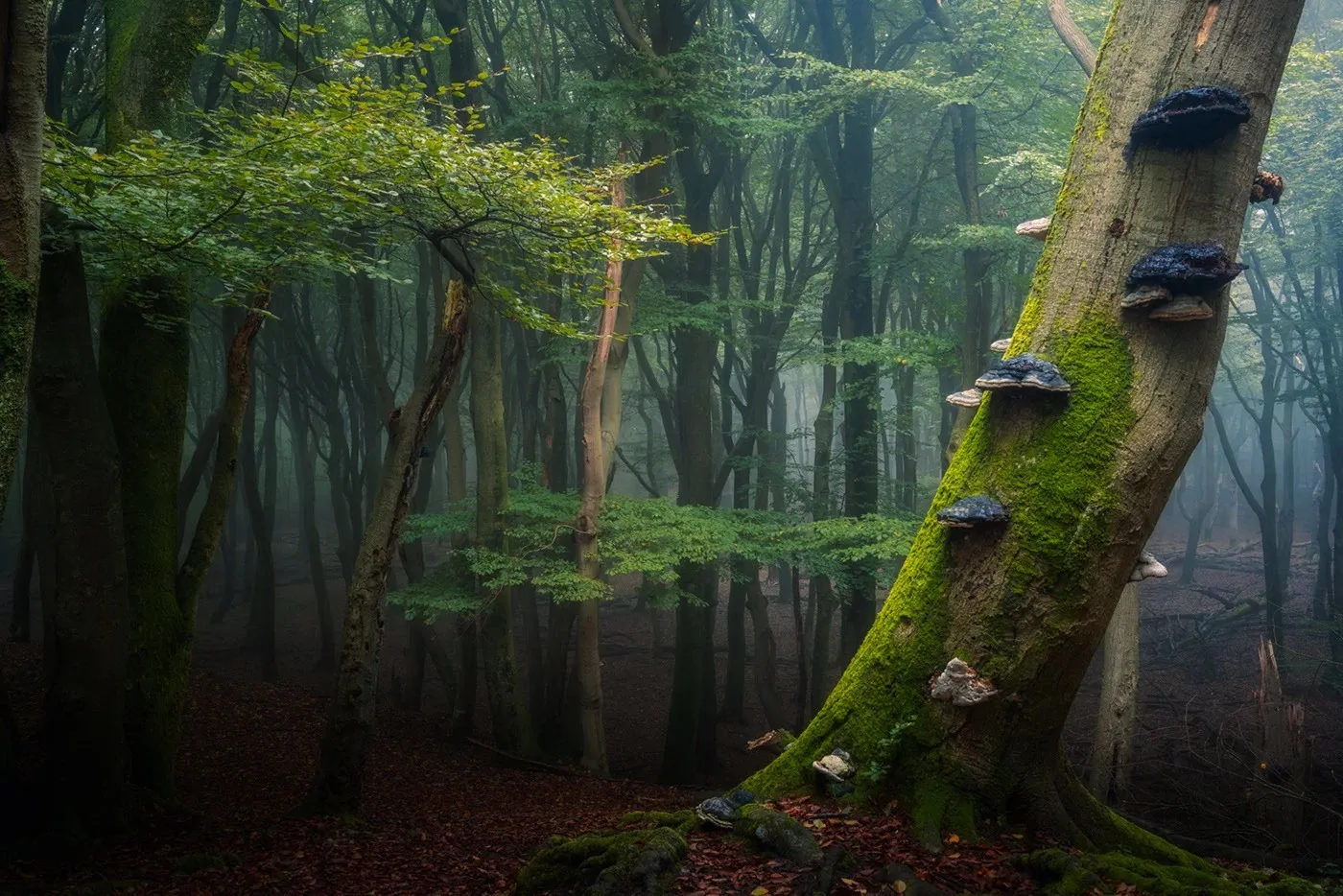
September 5, 2026, will mark European Mushroom Day—an event that helps people learn more about one of the most mysterious kingdoms of the natural world. On this day, people discuss not only edible mushrooms and quiet autumn foraging, but also their important role in forests, soil, medicine, and the food industry. Various countries host mushroom walks, exhibitions, lectures, and other educational events.
European Mushroom Day is dedicated to the diverse world of mushrooms and their significance for humans and nature. In 2026, it will be celebrated on September 5. This event aims to draw attention to mushrooms as more than just a food product. For many people, mushrooms are white mushrooms, chanterelles, honey mushrooms, or butter mushrooms that are picked in the forest in the fall. In reality, however, beneath the familiar mushroom cap lies a vast world of organisms with very different properties.

Mushrooms can decompose organic matter, live in symbiosis with trees, parasitize other organisms, and even prey on microscopic animals. Some species are used in medicine, the food industry, and biotechnology. That is why European Mushroom Day has, above all, an educational purpose. It helps highlight just how important mushrooms are to the environment and how little we still know about many of their species.
September is rightly considered the culmination and the true “golden age” of the entire mushroom season. It is during this month that nature creates the most favorable conditions for mass fruiting: the heat accumulated in the soil over the summer meets the first heavy autumn rains, while cool nights and thick morning mists saturate the forest floor with the necessary moisture. The Mushroom Hunter’s Calendar for September 2026.
How the Holiday Came to Be
The idea for European Mushroom Day originated in Germany. It is associated with the magazine *Der Tintling*, which specializes in mushrooms and mycology. The editor of the magazine, Karin Montak, was the driving force behind the creation of this day. She wanted to bring together people interested in mushrooms and draw attention to their importance.
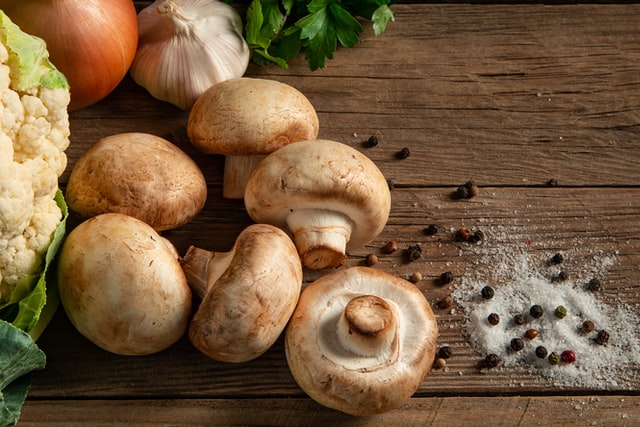
Different sources cite different dates for the initiative’s inception. Some mention 2015, but the first large-scale celebration of European Mushroom Day took place on September 24, 2016. At that time, more than 240 events were organized across various European countries. These included exhibitions, excursions, lectures, and other gatherings dedicated to mushrooms. The idea quickly spread beyond the pages of a single magazine. Mycologists, conservationists, museums, nature parks, scientific institutions, and mushroom hunters began to join the event. Thus, European Mushroom Day has become an annual event that combines science, nature, and people’s general interest in mushrooms.
Why Do We Need a Mushroom Day at All?
Mushrooms often go unnoticed. A person might walk through a forest and see only a few large mushrooms, even though a vast mycelium network may lie beneath the ground nearby. It is this mycelium that forms the main part of many fungal organisms. It consists of thin threads—hyphae—that can spread through the soil over considerable distances. Mushrooms play an important role in the decomposition of organic matter. They help break down fallen leaves, wood, and the remains of other organisms.
As a result, nutrients are returned to the soil, where they can then be used by plants again. Other fungi form a symbiotic relationship with tree roots. This partnership is called mycorrhiza. Therefore, fungi are an important part of the forest ecosystem, even if people never harvest them for food.
Fungi Help Trees
One of the most interesting characteristics of fungi is their ability to cooperate with plants. In many forests, fungi form mycorrhizae with trees. The mycelium comes into contact with the plant’s roots and helps it obtain water and minerals from the soil. In return, the tree supplies the fungus with organic compounds produced during photosynthesis. The result is a unique natural exchange. The fungus receives the nutrients it needs, and the plant gains access to additional resources from the soil.

These relationships are of great importance to forest ecosystems. Without them, the lives of many plants would look very different. At the same time, humans see only a small part of this process. The mycelium hides underground, so most of its work remains invisible to us. That is why, during European Mushroom Day, experts try to explain that a mushroom is not just a cap sticking out of the ground.
Mushrooms Are Essential to Medicine
Fungi are also of great importance to medicine. The most famous example is penicillin, discovered by Alexander Fleming in 1928. The scientist noticed that mold inhibited the growth of bacteria in a laboratory culture. Further research helped turn this observation into the basis for developing an antibiotic. This became one of the most important discoveries in the history of medicine. Penicillin-based antibiotics have saved countless lives.
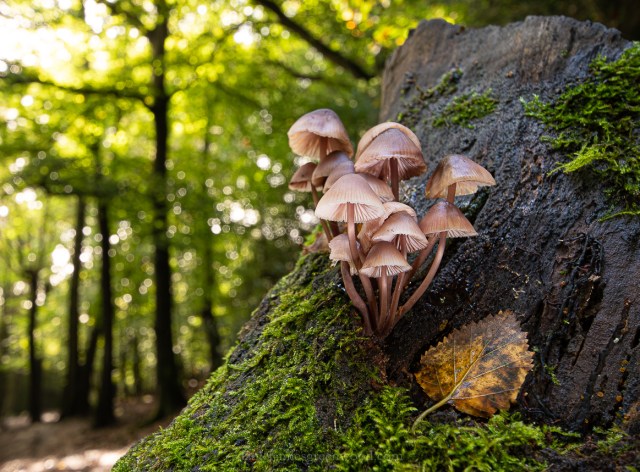
But fungi are of interest to scientists not only because of penicillin. Researchers continue to study the substances produced by various types of fungi. Some of them may have beneficial properties and be used in pharmaceutical research. Fungi are also widely used in biotechnology. So organisms that grow in the forest or even appear as mold may be far more important to humans than they seem at first glance.
Yeast and mold are also fungi
Not all fungi have the familiar appearance of a stem and a cap. This kingdom also includes organisms that people usually don’t even call fungi. For example, yeast is a fungus. It is used in baking bread and in fermentation processes. Mold is also a fungus. Some species can spoil food and pose a danger to humans, but other species have become important to science and industry.
Fungi can live practically anywhere. They are found in soil, water, on plants, animals, and other organisms. Some species are parasites. Others feed on dead organic matter. Therefore, the fungal kingdom is much more diverse than the familiar image of a basket of white mushrooms.
There Are Predatory Fungi
Fungi can do more than just decompose organic matter or live in symbiosis with trees. Some of them are capable of hunting. Such fungi are called predatory. They can capture microscopic soil animals, including nematodes.
To do this, certain species create special traps. When a tiny organism enters such a structure, the fungus can immobilize and digest it. The nutrients obtained are used for the growth of the mycelium. This strategy is particularly interesting because people do not usually associate fungi with predation. But nature shows once again that common perceptions can be very far from reality.
Some fungi glow
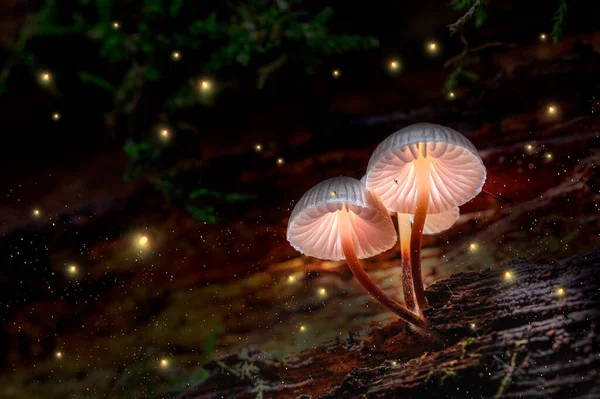
Another amazing property of some fungi is bioluminescence. This is the ability of a living organism to produce light through chemical reactions. In a dark forest, the glow can be quite noticeable. It usually has a greenish tint, although the exact appearance depends on the species. Both the fruiting bodies and the mycelium can glow. Dozens of mushroom species capable of bioluminescence are known worldwide.

To humans, this seems almost fantastical. But for nature, it is a very real phenomenon. It is precisely these facts that clearly demonstrate why mushrooms are of interest not only to mushroom hunters but also to scientists.
How Many Fungi Exist on Earth
Science still does not know the exact number of mushroom species on the planet. The reason is that a significant portion of fungal diversity has not yet been described. It is particularly difficult to study microscopic species. Some of them live inside plants or other organisms and are nearly invisible without special equipment.
Scientists regularly describe new species. Therefore, estimates of the total number of fungi are constantly being refined. This means that the fungal kingdom may still harbor countless organisms whose properties are as yet unknown to humanity. That is why mycology remains an important field of science. Researchers continue to study not only popular edible mushrooms but also microscopic and little-known species.
Truffles are considered among the most expensive mushrooms
Among fungi, there are true culinary celebrities. The most famous of these are truffles. They grow underground and often form a symbiotic relationship with tree roots. Finding them is no easy task, which is why specially trained dogs are used to search for them. Certain types of white truffles are particularly highly prized. Their cost can be very high and depends on the season, harvest, quality, and demand.

Individual large specimens are sold at specialized auctions for thousands or even tens of thousands of euros. That is why truffles have become a symbol of expensive mushroom delicacies. At the same time, it is incorrect to speak of a single fixed “price for the most expensive mushroom.” The cost of truffles varies greatly depending on the specific season and market.
The Tradition of Choosing the Edible Mushroom of the Year
In the early years of European Mushroom Day, there was an interesting tradition—selecting the “edible mushroom of the year.” The first winner in 2016 was Imleria badia, known as the Polish mushroom. It was chosen during the first large-scale event. Later, other popular edible mushrooms received the title. Among them were the common chanterelle, the saffron milk cap, and the larch milk cap.

In 2019, the title went to the common chanterelle (Cantharellus cibarius), and in 2020, to the milk cap (Lactarius deliciosus). In 2021, the larch bolete (Suillus grevillei) was named “Edible Mushroom of the Year.” However, after 2021, there is no record in the available chronology of a regular annual selection of a new “Edible Mushroom of the Year.” Therefore, it is best to view this tradition as part of the festival’s history rather than as a mandatory part of the current program.
How European Mushroom Day Is Celebrated
There is no single set format for the celebration. Organizers in different countries choose the format of their events independently. One of the most popular options is mushroom-hunting walks. Participants head into the forest with mycologists or experienced experts and learn to identify different species. During these excursions, you can learn where mushrooms grow, how they reproduce, how different species differ, and what role they play in nature.
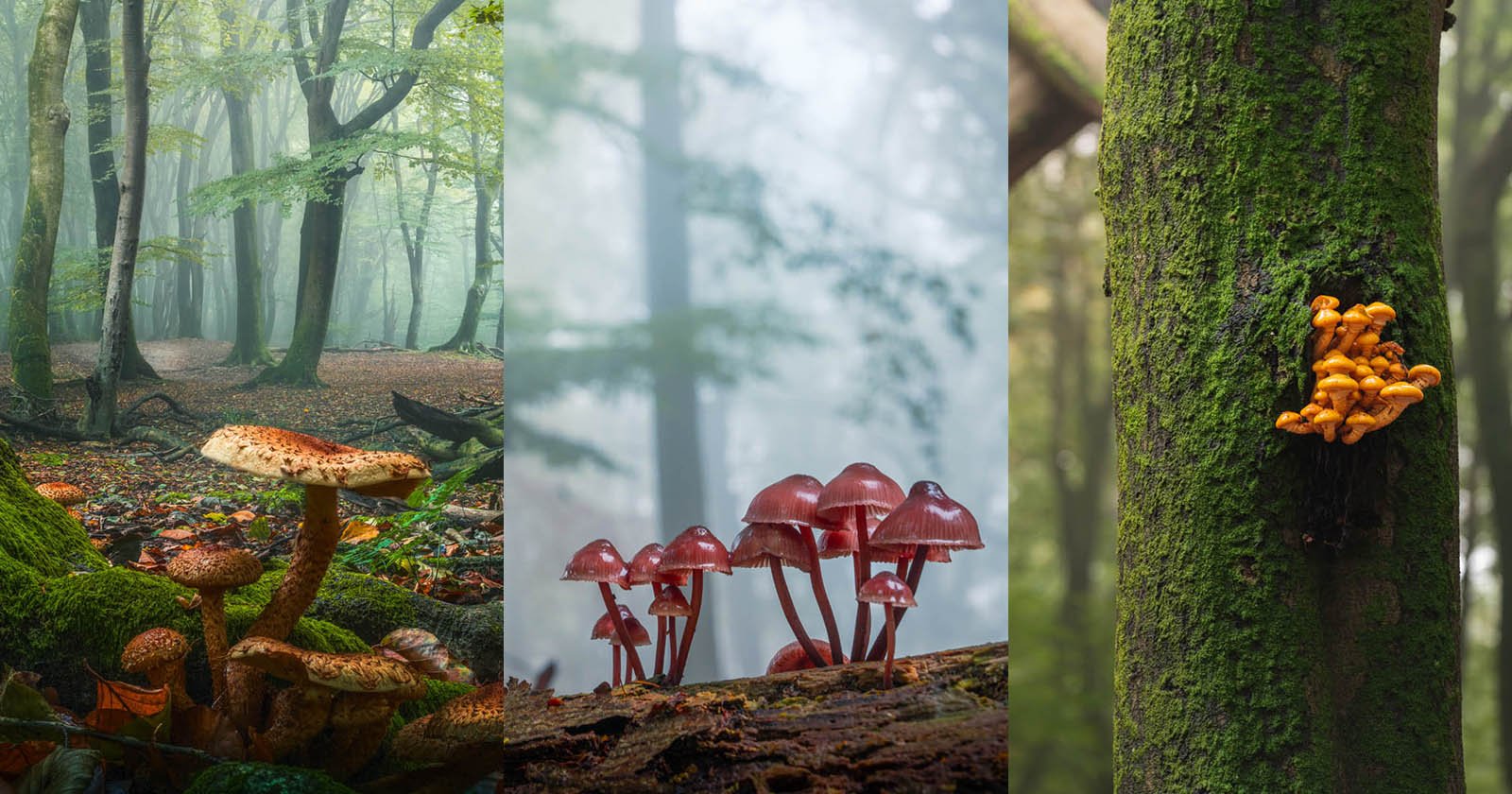
Mushroom exhibitions are also held. At these events, you can see dozens or even hundreds of species, including edible, inedible, poisonous, and rare ones. For children, educational workshops, games, drawing sessions, and other creative activities are organized. Adults are offered lectures, seminars, hands-on workshops, and species identification sessions. Some countries host themed festivals. Therefore, European Mushroom Day can be at once a scientific event, a family outing, and simply an opportunity to spend an enjoyable day in nature.
How to Celebrate Mushroom Day in 2026
You can join in the fun even without a special festival. One of the easiest ways is to go for a walk and take a closer look at what’s growing under your feet. If you forage for mushrooms, you can use this day to learn more about the species found in your region. However, you should only pick mushrooms that you are absolutely certain you can identify.
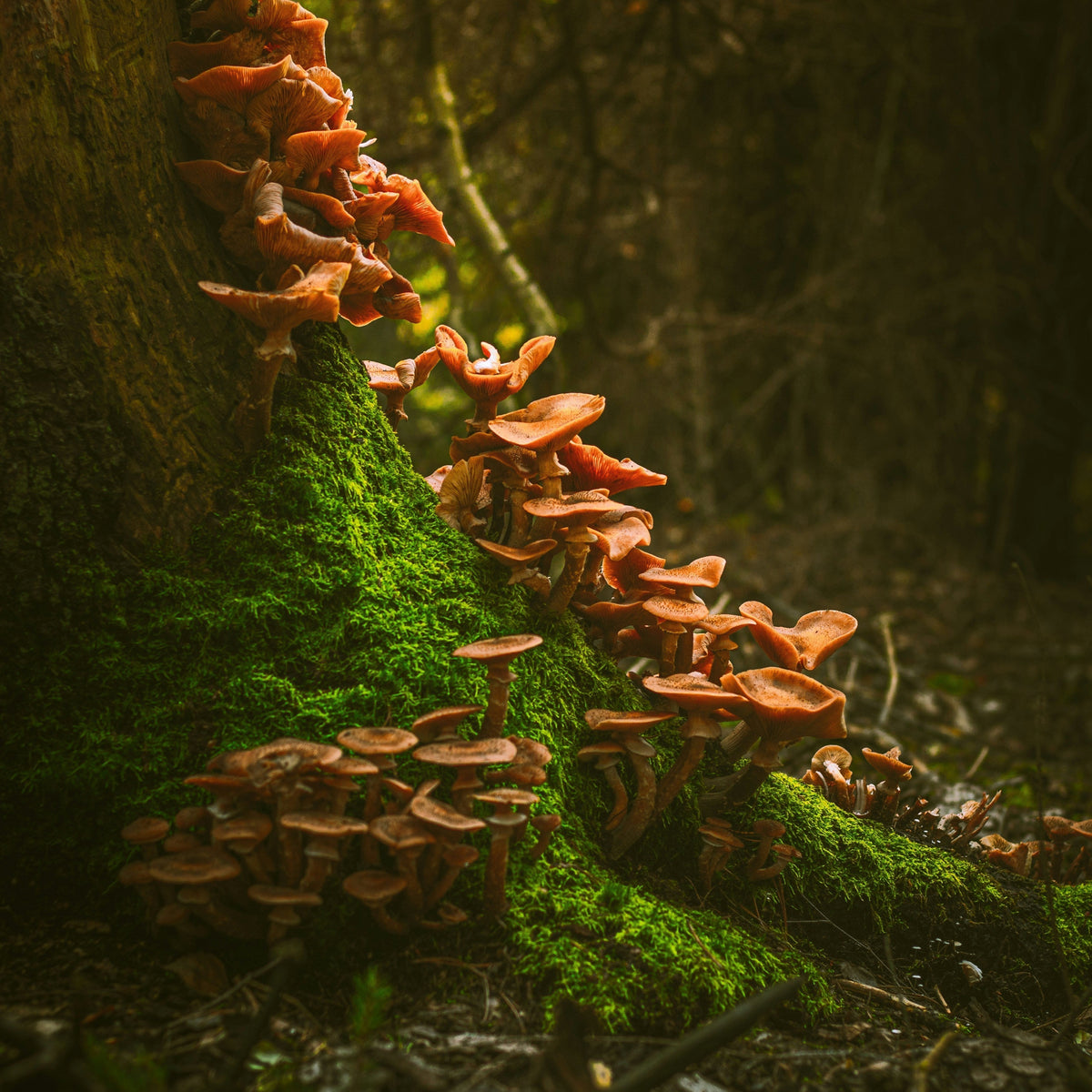
It’s best to leave unfamiliar mushrooms in the forest. You also shouldn’t rely on folk “tests” for edibility, such as checking with a silver spoon, onion, or garlic. These methods cannot determine whether a mushroom is safe. You can visit an exhibition, a nature park, a museum, or attend a lecture by a mycologist. If there are no such events nearby, you can read about mushrooms on your own or go on a photo walk.
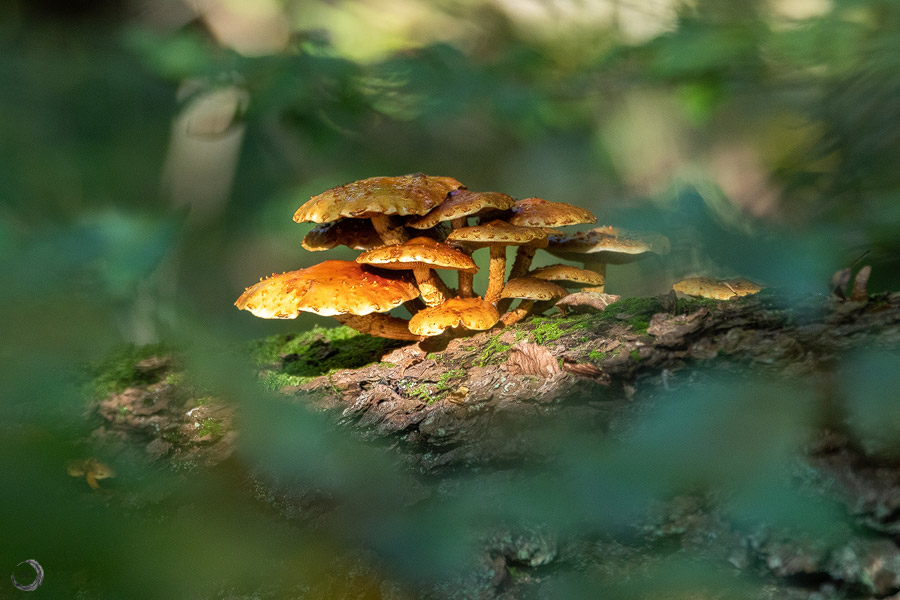
For children, you can hold a short lesson at home. Explain that mushrooms aren’t plants, show photos of different species, and explain why even a poisonous mushroom can be important to the forest.
Why We Need to Protect Mushrooms
Mushrooms, like other living organisms, depend on the state of their environment. If the forest, soil, or humidity changes, this can affect the species that live there. Mushroom diversity can be affected by deforestation, pollution, land-use changes, and climate change. Species that require very specific conditions are particularly vulnerable.
Another problem is that fungi have long been overlooked by conservation programs. People tend to focus more on protecting animals or rare plants, while fungi receive less attention.
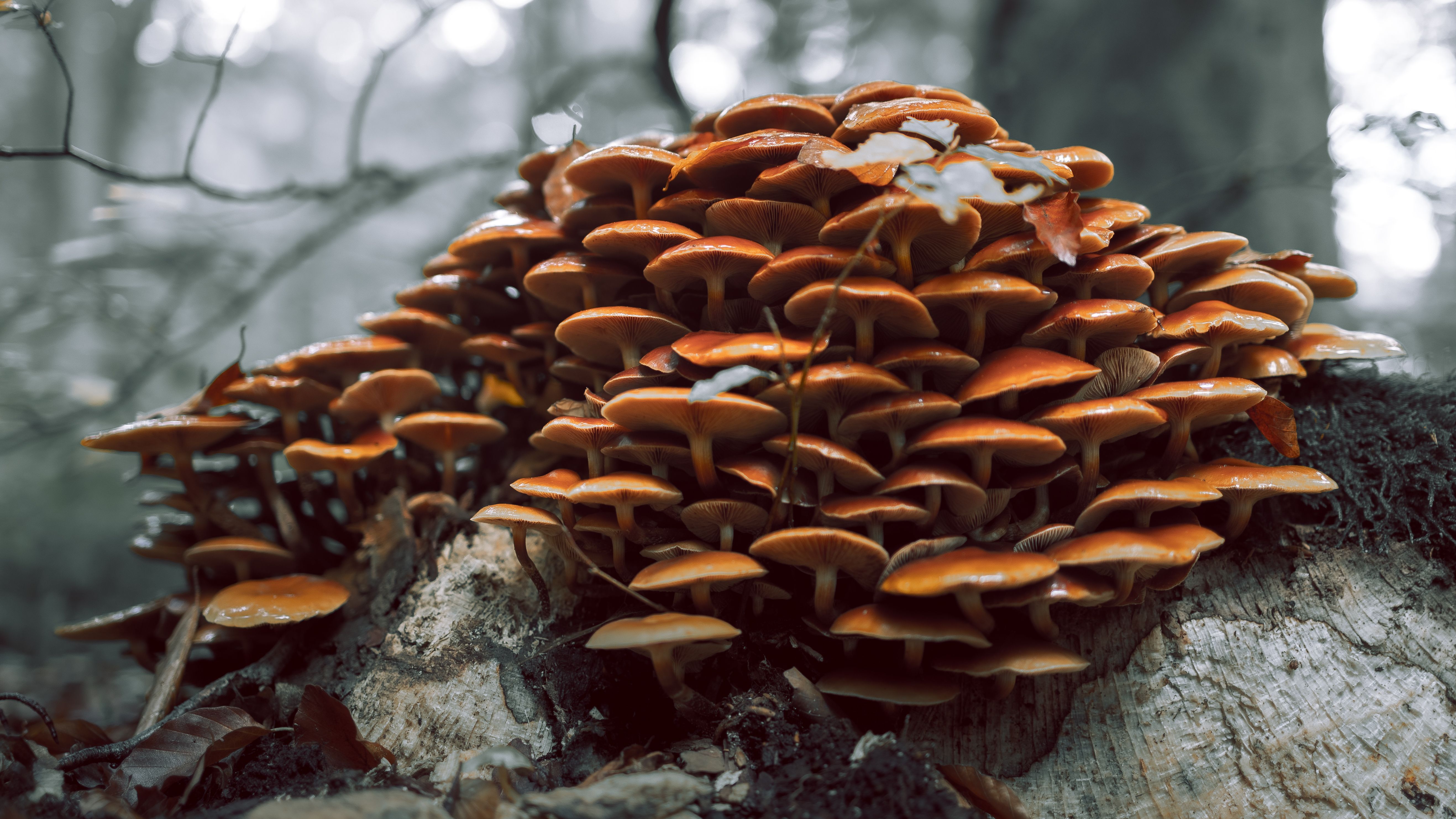
However, the disappearance of individual species can affect the entire ecosystem. If a fungus forms a mycorrhizal relationship with certain trees or plays a role in the decomposition of organic matter, its disappearance can disrupt important natural processes. Therefore, the study of fungi is not just for science. It helps us better understand how forests and other ecosystems function.
Interesting Facts About Fungi
The fungal kingdom has many characteristics that can easily surprise even experienced mushroom hunters.
Fungi are not plants. They belong to a separate kingdom of living organisms. Therefore, the common perception of fungi as “plants without leaves” is biologically incorrect.
The main part of many fungi is hidden underground. What we see as a mushroom with a stem and a cap is often just the fruiting body.
There are predatory mushrooms. Some of them can capture and digest microscopic animals.
Some fungi glow. Their bioluminescence can be visible in the dark.
Yeast is a fungus. It plays an important role in bread baking and fermentation.
Mold is also a type of fungus. Some species are used in medicine and industry.
Truffles grow underground. That is why they are often sought out with the help of dogs.
Scientists are still discovering new species of fungi. A significant portion of the planet’s fungal diversity remains understudied.
Why European Mushroom Day Is Important
European Mushroom Day reminds us of a simple fact: mushrooms are more than just food. They are an important part of natural ecosystems and influence the soil, trees, and the nutrient cycle. They help break down organic matter, form symbiotic relationships with plants, and can be a source of substances important for science and medicine.
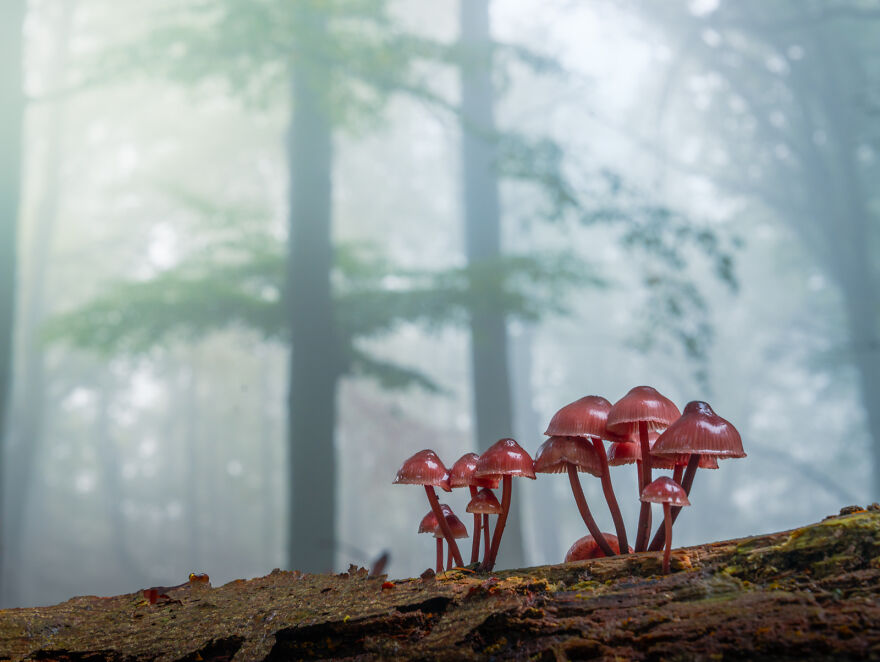
However, not all mushrooms have been well studied. Some species may be rare or dependent on specific habitats that are changing due to human activity. That’s why September 5 is a good excuse to take a closer look at an ordinary forest. Even a small mushroom that we usually overlook can be part of a vast system operating right beneath our feet.