
September 8, 2026 — Journalists’ Solidarity Day: Why Unity Among Media Professionals Is Important
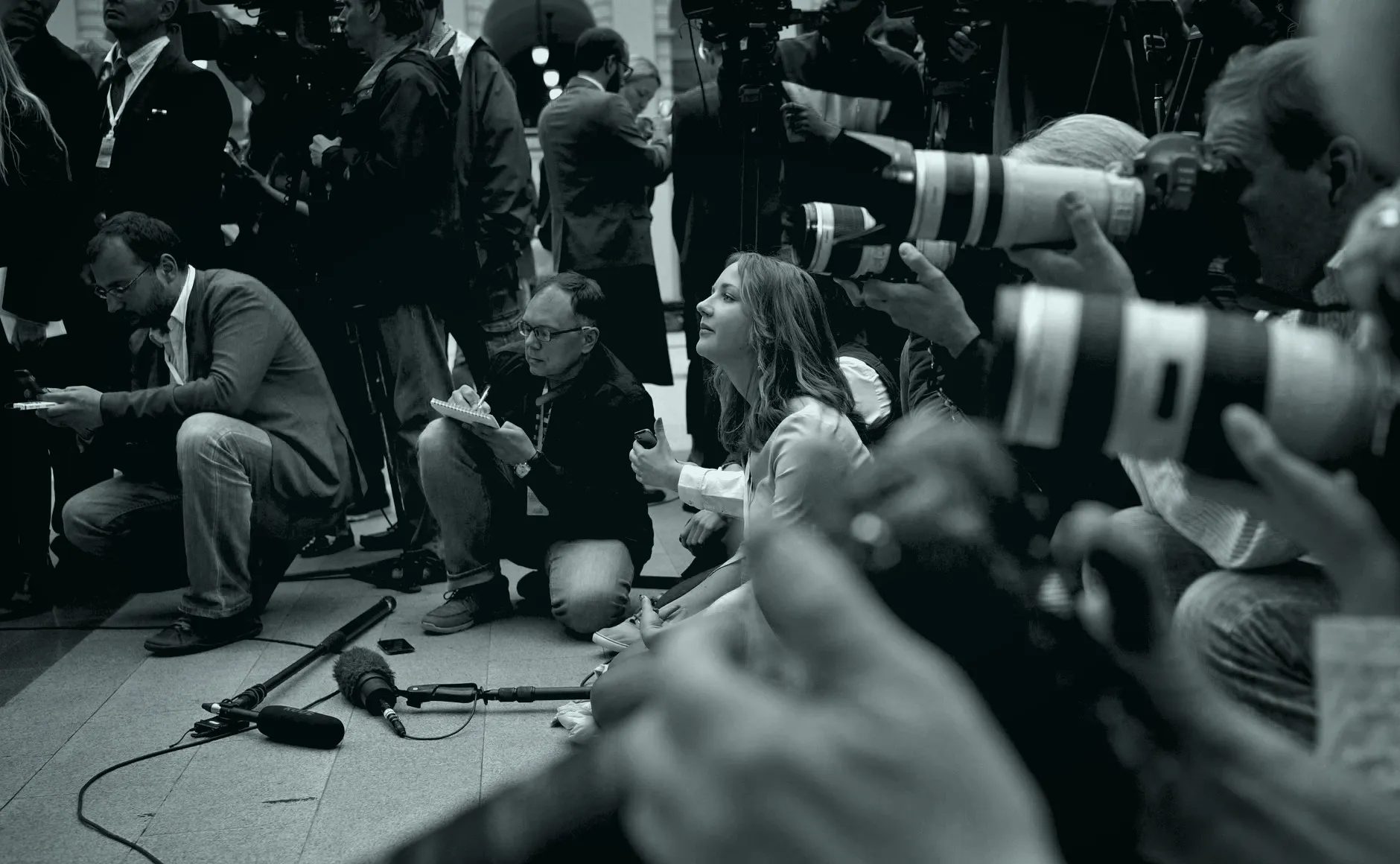
International Day of Solidarity with Journalists is observed every year on September 8. It was established in 1958, and the date was chosen in honor of the Czechoslovak journalist Julius Fucik, who was executed by the Nazis on September 8, 1943. This day is dedicated to the unity of journalists, support for colleagues, freedom of speech, and the memory of media professionals who lost their lives because of their professional activities.
International Day of Solidarity with Journalists is observed on September 8. In 2026, this date falls on a Tuesday. The National Council of Ukraine on Television and Radio Broadcasting has also added September 8 to its calendar of events as Journalists’ Solidarity Day. This is a professional observance for journalists, correspondents, reporters, photographers, cameramen, and other media professionals. Its main purpose is to remind us that journalists in different countries often face similar challenges: pressure, threats, persecution, censorship, and danger while on the job.

Solidarity in this context means more than just a professional greeting. It refers to the willingness to stand up for a colleague under pressure, to help a journalist in danger, and to work together to defend the public’s right to receive accurate information. Journalism has changed significantly over the past decade. Newspapers, radio, and television have been joined by websites, social media, podcasts, streaming platforms, and other formats. But the main task has remained the same—to seek out facts, verify information, and tell people what is happening.
How Journalists’ Solidarity Day Came to Be
International Journalists’ Solidarity Day was established in 1958 in Bucharest. The decision was made at the Fourth Congress of the International Organization of Journalists. At that time, representatives of the journalistic community decided that a specific date was needed to unite media professionals from different countries. The idea was for journalists to demonstrate professional unity and speak out in defense of their rights on this day. September 8 was not chosen by chance. It was on this day in 1943 that the Nazis executed the Czechoslovak journalist, writer, and columnist Julius Fucik.
Fučik worked as a journalist and was a member of the anti-Nazi movement. In April 1942, he was arrested by the Gestapo. After his arrest, he was imprisoned, where he continued to write despite extremely harsh conditions. It was there that Fučik wrote his most famous work—*Report from the Gallows*. He wrote the text in secret, and managed to smuggle individual pages out of prison thanks to people who helped him. The book later became famous far beyond the borders of Czechoslovakia and was translated into many languages.
On September 8, 1943, Fučik was executed in Berlin. Fifteen years later, this very date was adopted as a symbol of remembrance for journalists who did not renounce their convictions even under pressure and the threat of death.
Why We Remember Julius Fucik
Fučik’s story has become central to this day. His name is associated with journalistic work under conditions of dictatorship, war, and persecution. At the same time, today we should view this story in light of its complex historical context. Fučik was a member of the Communist Party of Czechoslovakia, and after the war, his image was actively exploited by communist propaganda. Therefore, modern journalism should not turn his story into a simple heroic legend without mentioning this context.

Nevertheless, Fuchik’s own fate remains an important part of the history of 20th-century journalism. He worked during a time when independent reporting could pose a mortal danger to the journalist. His story also serves as a reminder that freedom of speech does not arise on its own. It depends on journalists’ ability to work free from unlawful pressure, on access to information, and on society’s ability to defend the right to the truth. That is why September 8 is not just about the profession. It is also a day to remember those who paid a high price for their work and convictions.
What Does Journalistic Solidarity Mean?
Journalistic solidarity is, first and foremost, about supporting one another. If a journalist is unlawfully detained, beaten, threatened, or prevented from carrying out their professional duties, colleagues can draw attention to the situation and demand an investigation. An important part of solidarity is also providing assistance to media outlets facing difficult circumstances. This can include financial support for the newsroom, assistance with equipment, security, or the evacuation of staff.

Another key aspect is the exchange of professional expertise. Journalists organize training sessions, conferences, and meetings where they discuss working with sources, fact-checking, safety during assignments, digital security, and reporting in conflict zones. Solidarity also means respecting professional standards. Supporting a colleague does not automatically mean agreeing with every piece they produce. The journalism community must defend the right to work and freedom of speech, but at the same time demand accuracy, fact-checking, and accountability for published information. This is precisely one of the key differences between journalistic solidarity and mere corporate support.
How This Day Is Observed
On September 8, various countries host conferences, professional gatherings, discussions, and forums. Journalists may discuss media issues, freedom of speech, the safety of editorial staff, and new challenges facing the profession. Some events are dedicated to the memory of journalists who have lost their lives. Colleagues recall their names, talk about their work, and discuss the circumstances of their deaths.
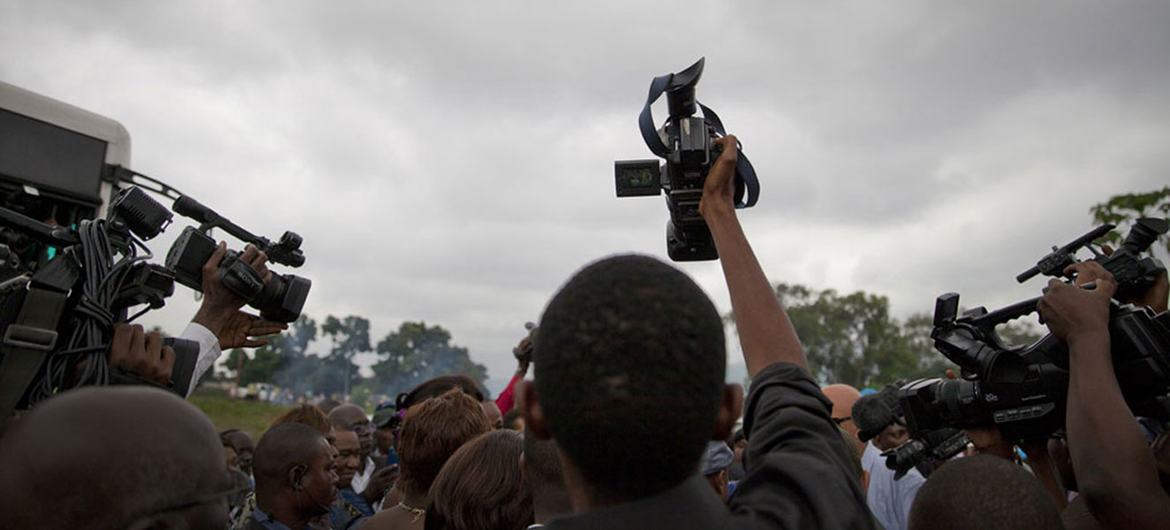
Professional awards ceremonies may also be held on this day. Journalists who have made significant contributions to the development of the media, worked under difficult conditions, or produced stories that had a significant impact on society are honored. Another common format is public discussions. These focus on how journalism has changed over the past decades, the impact of social media on the media landscape, and how journalists can work amid information attacks.
For modern newsrooms, this is also an opportunity to discuss safety. This encompasses not only physical protection during field assignments but also digital security, source protection, data backup, and secure communication. In other words, the celebration of this day is usually unlike a typical professional holiday. Here, people focus more on the challenges facing the profession, remember fallen colleagues, and seek ways to protect journalists.
Why This Date Is Especially Important for Ukraine
For Ukraine, Journalists’ Solidarity Day holds special significance due to the full-scale war. Ukrainian media professionals work in frontline cities, near shelling sites, and in de-occupied territories, documenting the consequences of the war and reporting on people’s lives. Journalists are heading to places others are trying to flee. They work during air raid alerts, shelling, and in the aftermath of missile strikes to document what is happening.
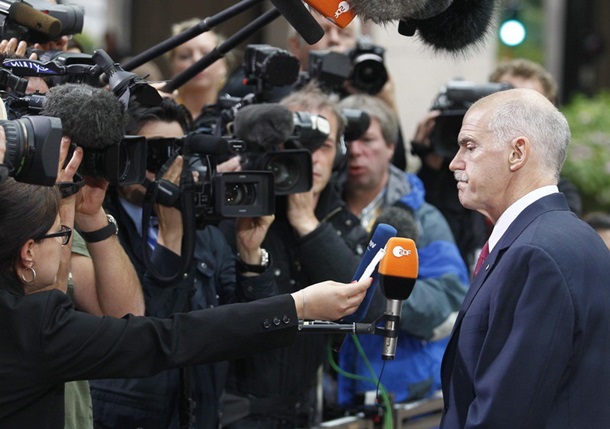
In 2025, the National Council of Ukraine on Television and Radio Broadcasting specifically emphasized that Ukrainian journalists are working in devastated cities, while newsrooms are joining forces to support their colleagues and combat disinformation. UNESCO has also repeatedly stressed the need to protect journalists working in Ukraine. The organization has supported Ukrainian media professionals, in particular by providing personal protective equipment and assisting media organizations.
The war has revealed another important truth: journalistic solidarity is not needed only by media professionals themselves. Society’s ability to receive information about events unfolding right now depends on the safety of journalists.
Journalism During War
During wartime, a journalist’s work becomes more challenging not only because of physical danger. Journalists must work amid a massive flood of information, where fake news, manipulation, and propaganda circulate alongside real facts. Therefore, it is not enough for a journalist to simply obtain information quickly. The information must be verified, corroborated, and confirmed by reliable sources before it can be published.
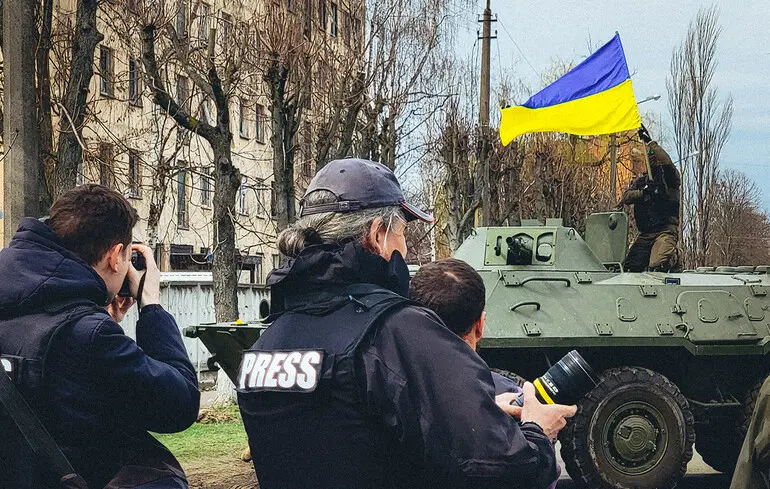
It is especially important not to disseminate information that could harm military personnel or civilians. During wartime, even a single carelessly disclosed detail can have serious consequences. In such conditions, professional standards are not a mere formality but a matter of security. Accuracy, fact-checking, separating facts from opinions, and exercising caution with unconfirmed information are of paramount importance.
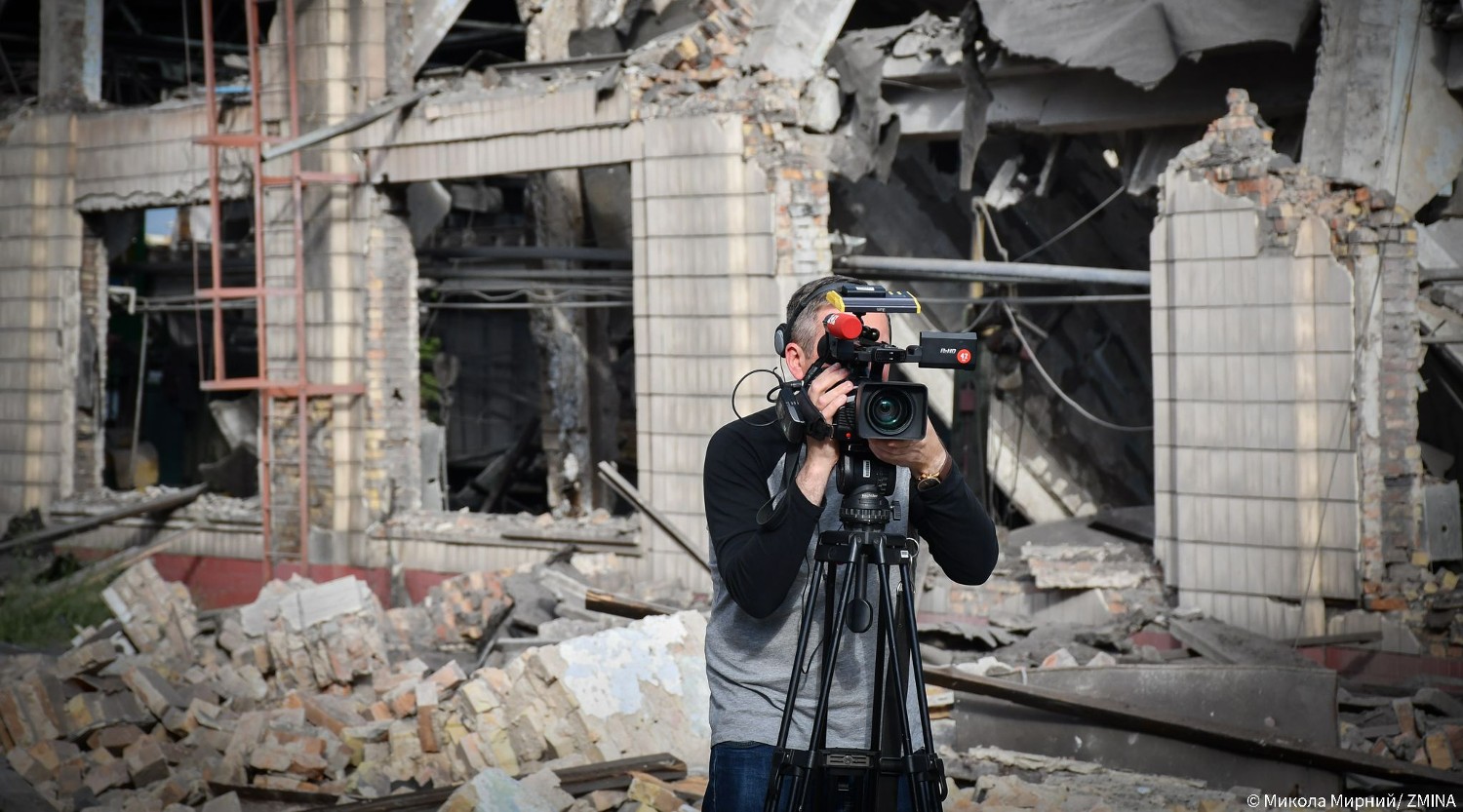
That is precisely why solidarity among journalists today also means a shared commitment to professional standards. Readers should receive not just quick updates, but verified facts they can trust.
What the UN Is Doing to Protect Journalists
It is important not to confuse the International Day of Solidarity with Journalists on September 8 with the UN’s official international days dedicated to the media. The UN does indeed have specific mechanisms to protect journalists. In particular, in 2006, the UN Security Council adopted Resolution 1738, which concerns the protection of journalists, media workers, and associated personnel during armed conflicts. UNESCO also addresses the safety of journalists and tracks cases of their murders.
Separately, the UN observes November 2 as the International Day to End Impunity for Crimes Against Journalists. The General Assembly proclaimed this day in 2013. The date serves as a reminder of the need to investigate crimes against media workers and hold the perpetrators accountable. Therefore, the claim that the UN itself established Journalists’ Solidarity Day on September 8 is inaccurate. Its history is linked to a 1958 decision by the International Federation of Journalists.
Interesting Facts About Journalists’ Solidarity Day
The day has been observed on September 8 since 1958. It was then, in Bucharest, that the Fourth Congress of the International Organization of Journalists adopted a resolution to establish this date.
The date is linked to Julius Fuchik. The Czechoslovak journalist was executed by the Nazis on September 8, 1943, in Berlin.
Fučik wrote while in prison. His most famous book, *Reportage with a Noose Around My Neck*, was written during his imprisonment and later became well-known in many countries.
This is not the same as World Press Freedom Day. World Press Freedom Day is observed on May 3, while Journalists’ Solidarity Day is observed on September 8. Additionally, on November 2, the UN observes the International Day to End Impunity for Crimes Against Journalists.
Solidarity isn’t just about journalists. When media professionals can work freely, society gains more opportunities to stay informed about events, hold the government accountable, and understand what’s happening in the country.
Why This Day Is Important Today
In the digital age, anyone can publish a post in a matter of seconds. But speed is no substitute for journalism. Professional work requires fact-checking, sourcing, accountability, and a willingness to correct mistakes. That is why solidarity among journalists remains important. It means that media professionals do not leave their colleagues to face threats, harassment, or unlawful pressure alone.
This day also serves as a reminder of the journalists who have lost their lives while doing their jobs. Their memory is important not only to the professional community but to society as a whole, because every such loss means the loss of a person who gathered and shared information with others. For Ukraine, this issue is particularly acute. During the war, journalists document crimes, report on the lives of people in frontline areas, and help preserve accounts of events for the future.
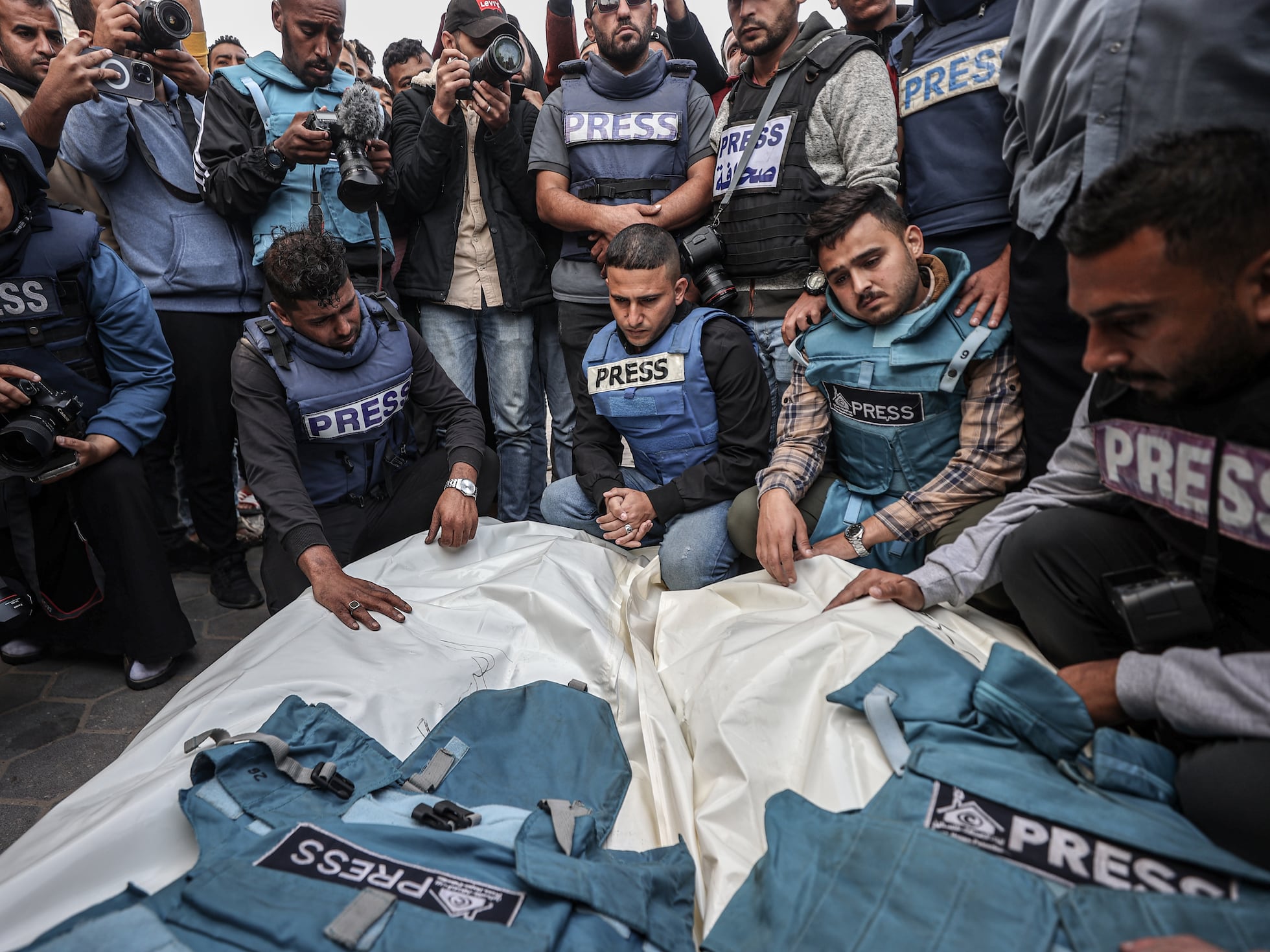
September 8 is more than just a professional observance. It serves as a reminder that society’s right to know the truth must be protected. And journalistic solidarity begins with a simple principle: we do not leave our colleagues alone when they need support.


