
September 9, 2026 — International Fetal Alcohol Syndrome Day
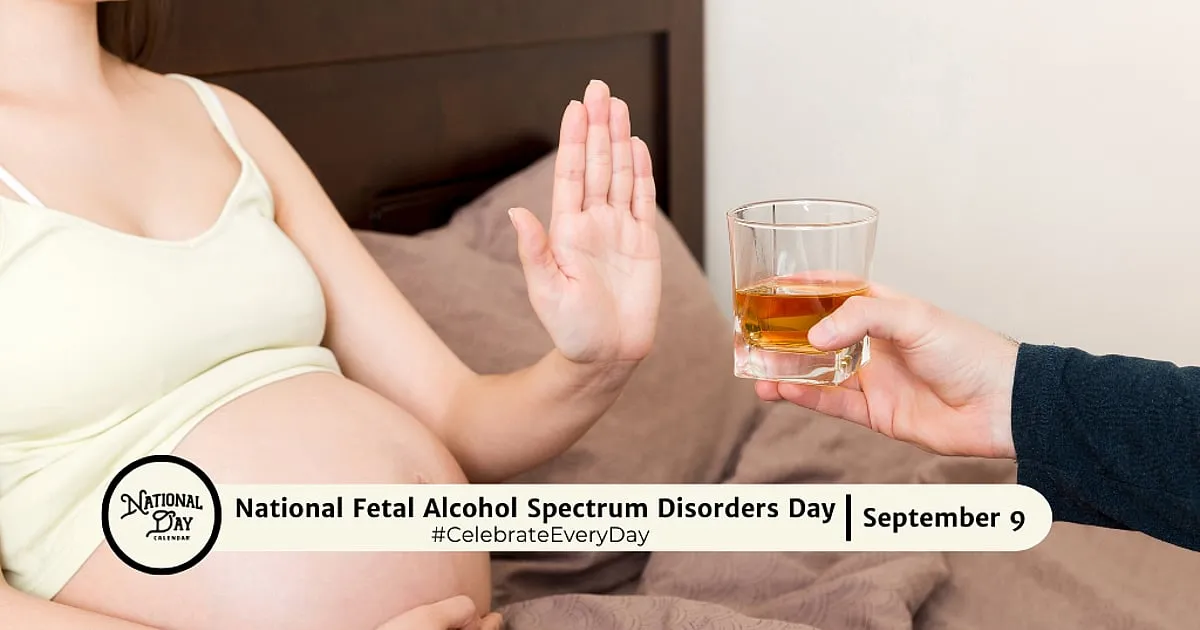
On September 9, people around the world discuss the consequences of alcohol consumption during pregnancy and fetal alcohol spectrum disorders. The observance was established in 1999, and its symbolism is linked to the nine months of pregnancy. The main goal of this day is to remind people that alcohol’s impact on a child before birth can have lifelong consequences, and that these disorders can be prevented by avoiding alcohol during pregnancy.
International Fetal Alcohol Syndrome Awareness Day was first observed on September 9, 1999. The idea came from people who had spent many years working with families, children, and adults living with the consequences of prenatal alcohol exposure. Bonnie Buxton, Brian Philpks, and Teresa Kellerman are among those credited as initiators. They wanted to establish a specific day when this issue would be discussed simultaneously in different countries.
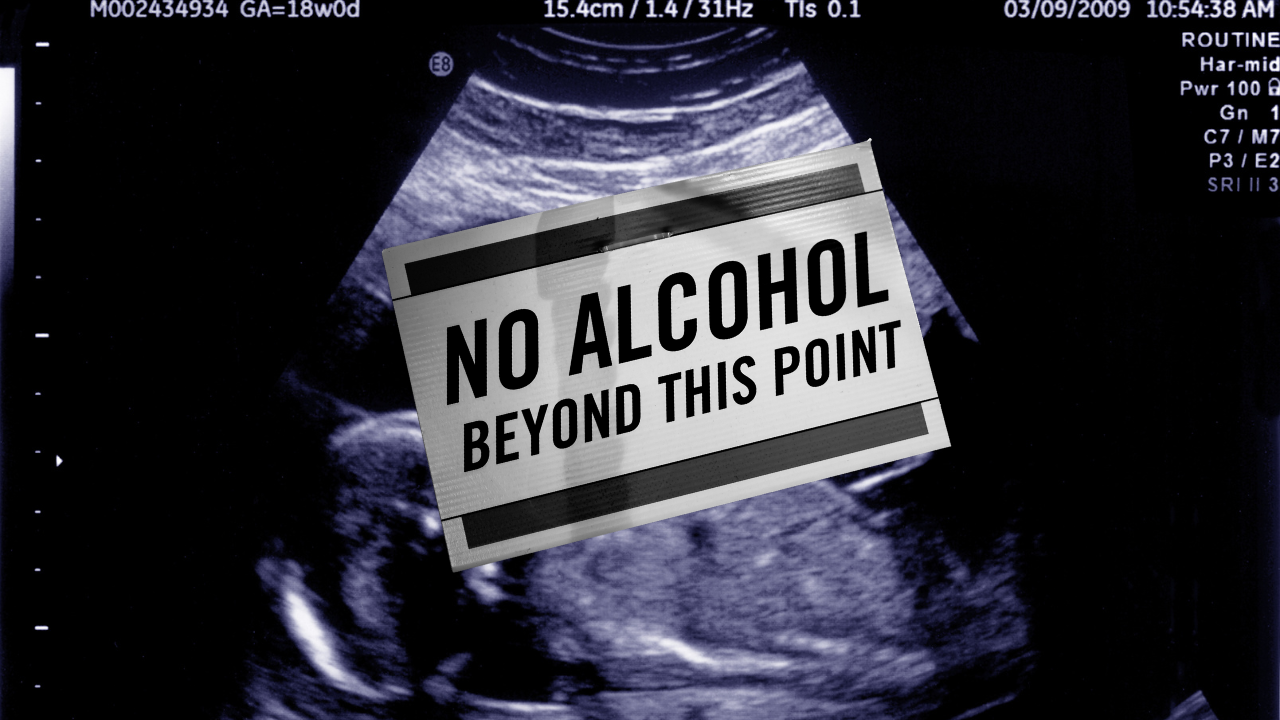
The date was not chosen at random. September 9 is the ninth day of the ninth month of the year—a symbolic reminder of the nine months of pregnancy. The first event was also held at a specific time—9:09 a.m. In this way, the organizers sought to emphasize as much as possible the connection between the number nine and the period of pregnancy.
In subsequent years, the date became known as FAS Awareness Day, and later, the broader term FASD—fetal alcohol spectrum disorders—began to be used more frequently. This is important because the effects of alcohol on a child can manifest not only as classic fetal alcohol syndrome. The consequences can vary in severity and affect physical development, behavior, learning, memory, speech, and nervous system function.
What Is Fetal Alcohol Syndrome
Fetal Alcohol Syndrome is one of the most severe manifestations of fetal alcohol spectrum disorders. It results from the effects of alcohol on the child even before birth. Alcohol from the pregnant woman’s bloodstream reaches the fetus through the placenta and umbilical cord, so the baby is also exposed to it. The fetus’s body is still developing, and its brain and other organs are particularly sensitive to such factors.
The consequences can vary widely. Some children experience problems with growth, coordination, hearing, or vision. Difficulties with memory, learning, speech, concentration, and behavioral control may also occur. In more severe cases, intellectual disabilities and problems with the heart, kidneys, bones, and other organs may occur. It is important to understand that FASD is not a single specific disease with the same symptoms in everyone. It is a whole group of conditions that can manifest in different ways. For some, problems are noticeable as early as infancy, while for others, difficulties only become apparent in school or even in adulthood. That is why these disorders are not always recognized in time.
Why September 9 Focuses on Pregnancy
The main message of this day is very simple—alcohol during pregnancy can harm the baby, and there is no established safe amount. According to the CDC, there is no known safe amount of alcohol during pregnancy, no safe period of pregnancy, and no specific type of alcohol that can be considered safe. This applies not only to hard liquor but also to wine and beer. It’s also important to note that a baby’s brain develops throughout the entire pregnancy. Therefore, the risk isn’t limited to just the first few weeks after conception. Alcohol can affect fetal development at various stages of pregnancy, although the specific effects may vary depending on many factors.

A particular concern is that a woman may not yet be aware that she is pregnant. She may consume alcohol during the first few weeks, before the pregnancy has been confirmed. In such a situation, doctors advise against panicking; instead, they recommend stopping alcohol consumption as soon as the pregnancy is confirmed and consulting a doctor for further monitoring. The CDC emphasizes that it is never too late to stop drinking alcohol.
What Are the Potential Effects of Alcohol Exposure?
Fetal alcohol spectrum disorders can affect a person throughout their entire life. In childhood, this can manifest as problems with learning, memory, speech, concentration, and behavior. The child may have difficulty absorbing new information, planning their actions, or controlling impulsive behavior. Physical symptoms can also vary. These include growth retardation, low body weight, a smaller head size, vision or hearing problems, and coordination difficulties. In some cases, congenital defects of the heart, kidneys, or skeletal system may occur.

A distinctive feature of FASD is that the problems are not always immediately apparent. A child may appear completely healthy on the outside, but as they grow older, they may develop difficulties with learning, communication, behavior, or living independently. That is why experts discuss not only the physical signs but also the long-term effects on the development of the nervous system.
What Doctors Say About a “Safe” Amount
One of the most common misconceptions is the belief that a small amount of alcohol during pregnancy supposedly cannot cause harm. Scientific and medical organizations have not established such a “safe” dose. The CDC explicitly states that the safe amount of alcohol during pregnancy is unknown, and the World Health Organization links alcohol consumption during pregnancy to the risk of fetal alcohol spectrum disorders, miscarriage, stillbirth, and preterm birth.

It’s also a mistake to assume that wine or beer is a safer alternative to hard liquor. The CDC specifically emphasizes that all types of alcohol can be harmful during pregnancy. Therefore, the medical community’s recommendation is simple: do not drink alcohol during pregnancy or while trying to conceive. This issue concerns more than just expectant mothers. Partners, relatives, and friends can also help create an environment where a pregnant woman is not offered alcohol or persuaded that “a little is okay.” That is why awareness campaigns focus not on blaming women, but on providing support and access to clear, understandable medical information.
Interesting Facts About September 9
One of the most interesting features of this date is its numerical symbolism. 9.09 symbolizes the nine months of pregnancy, and the first international campaign in 1999 began at 9:09. The organizers literally used the same number several times to draw attention to the day’s main message.
Another important point is that today’s discussions focus not only on FAS but on the entire spectrum of FASD. This helps better explain why the effects of prenatal alcohol exposure can vary widely. They may include physical, cognitive, behavioral, and learning difficulties.
According to estimates by the U.S. National Institute on Alcohol Abuse and Alcoholism, between 1% and 5% of first-graders in the U.S. may have FASD. This does not mean that all of them have classic fetal alcohol syndrome—it refers to a broad group of disorders. The data highlight just how significant this issue is for the health care and education systems.
Another important fact is that FASD is a preventable condition. If a child is not exposed to alcohol before birth, the risk of disorders specifically linked to prenatal alcohol exposure can be eliminated. The WHO classifies these disorders as entirely preventable if there is no alcohol exposure during pregnancy.
How This Day Is Observed
There is no single, mandatory way to celebrate September 9. It is first and foremost a day for educational outreach, rather than a typical holiday with traditional festivities. Medical organizations, community groups, experts, and volunteers hold lectures, run awareness campaigns, host public discussions, and distribute materials about the risks of alcohol consumption during pregnancy. Early detection of FASD is a specific focus. If a child has developmental, learning, or behavioral issues, it’s important not to be quick to blame them for being “lazy” or having a “bad temper.” The child may need help from doctors, psychologists, educators, and other specialists. The earlier the problem is identified, the more opportunities there are to find support for the child and their family.

Training sessions for healthcare professionals may also be held on this day. They are taught about modern approaches to identifying the effects of prenatal alcohol exposure, communicating with pregnant women, and assisting families. The WHO has specific recommendations for healthcare professionals on working with pregnant women who drink alcohol or have problems with alcohol use. Public awareness campaigns are also held in various countries. For example, they use the number nine as a symbol, informational posters, flash mobs, and social media campaigns. Their goal is not to scare people, but to convey simple, easy-to-remember information: there is no established safe dose of alcohol during pregnancy.
How the Issue Was Addressed in Ukraine
The topic of alcohol’s impact on pregnancy is also relevant in Ukraine. In 2019, the WHO reported on a national awareness campaign designed to explain to women the risks of alcohol consumption during pregnancy. According to the organization, at that time it was estimated that 25–35% of women in Ukraine consumed alcohol during pregnancy, and the rate of fetal alcohol syndrome was estimated at 50 cases per 10,000. As part of the campaign, Ukrainian gynecologists took part in a special art project. Through these unusual images, the organizers sought to illustrate how alcohol can affect various systems in a child’s body. The campaign was aimed not only at pregnant women but also at healthcare professionals, family members, and society at large.
At the time, representatives of the WHO and the Ukrainian healthcare system separately emphasized that the problem also lies in a lack of reliable information. Some women believed that a small amount of alcohol posed no danger. That is precisely why such awareness days are needed—not to condemn, but to enable people to make decisions based on medical facts.
Why This Day Is Important
International Fetal Alcohol Spectrum Disorder Awareness Day serves as a reminder of a problem that isn’t always immediately apparent. The effects of alcohol exposure may not become apparent for years—when the child starts going to school, learning, interacting with others, and becoming more independent. That is why prevention matters even before the child is born.

At the same time, it’s important not to turn the conversation into an accusation. If a person has already consumed alcohol before learning about the pregnancy, that doesn’t mean they should panic. The best course of action is to stop drinking and consult a doctor who can assess the situation and provide the necessary care. The main message of September 9 is simple: protecting a child’s health begins even before birth. This day serves as a reminder of the consequences that can last a lifetime, but it also highlights the fact that FASD is preventable. That is why, instead of fear or stigma, what is needed here is knowledge, support, and an honest conversation about alcohol and pregnancy.


