
The mystery of a royal tomb in Spain has surprised archaeologists
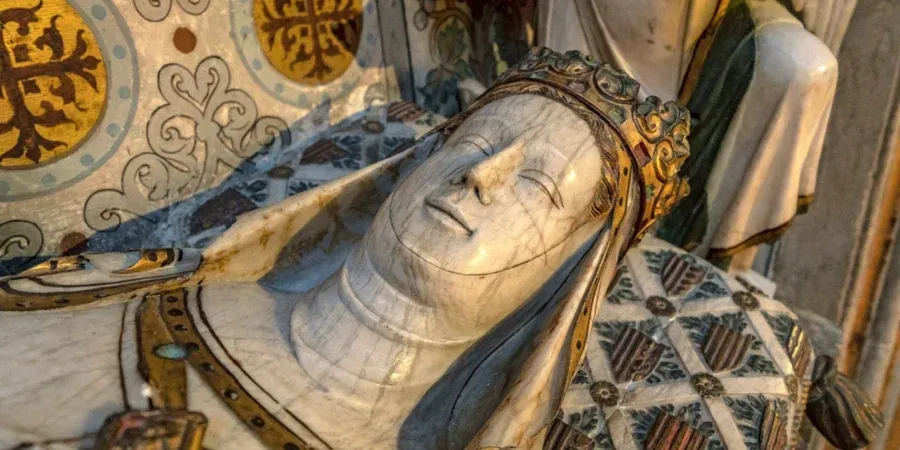
Archaeologists in Spain have opened a 700-year-old royal tomb and found not at all what they expected; — instead of historical figures, the tomb contained dozens of unrelated remains from different eras and even evidence of violent deaths.
The investigation of the Pedralbes Monastery turned a routine scientific task into a true historical mystery, forcing a new perspective on medieval burials. Now experts are trying to understand how people who had no connection to the royal crypt ended up there.
In Catalonia, at the Pedralbes Monastery, archaeologists expected to quietly and carefully investigate the resting place of Queen Elisenda of Montcada of Aragon, but instead they encountered a story more akin to a detective novel than a routine scientific expedition, as the remains of entirely different people were discovered in several graves—people from different eras and with very different life stories and causes of death.
At first, everything seemed predictable: Elisenda, who lived in the 14th century, founded a monastery and was buried there after her death in modest monastic garb, and her body was placed in a wooden chest adorned with fabric and decorative elements, in keeping with the traditions of the time; however, further excavations shattered the researchers’ expectations.

When the team reached the other graves, it turned out that one of them, believed to belong to the knight Artau de Foses, contained not a single man, but five bodies at once—three infants and two young women, and the skull of one of them even retained hair tied in a ponytail, which added even more questions to the already confusing story of the burial.
Even more puzzling was another tomb, believed to be the resting place of Francesca Saporelli, since at least nine different people from various time periods were found inside, including men with stab wounds and even the mummified remains of a pregnant woman, while the grave’s presumed owner was never identified.
In addition to human remains, researchers collected over 200 archaeobotanical samples and materials for DNA analysis, which may help determine the origins of the individuals found and explain how they ended up in a royal burial site that was supposed to be clearly documented and inviolable.
Work on deciphering this story will continue at least until 2027, and archaeologists already acknowledge that they face a complex task—not simply to identify the remains, but to reconstruct the full picture of the lives, deaths, and memories of the people who left their mark in this 700-year-old tomb.
As noted by the Barcelona Institute of Culture, the main task now is to piece all these fragments together into a coherent story that will reveal not only who these people were, but also how they lived, under what circumstances they died, and why their remains ended up in a place far from where they were expected to be found. This is reported by Gizmodo.
Chile’s Atacama Desert is becoming an energy storage hub for solar power plants.
Environmentalists have explained the appearance of feral cows in Chernobyl.
As a reminder, the previous owners—Odarka and Hrytsyk—returned on April 5–6 to the nest in the Pyriatyn National Nature Park, where a new pair of storks—Kvitka and Lel—had formed on April 2.
Intelligence: Russia is losing fertile land; a desert is forming in Kalmykia.


