
The melting of glaciers in the Arctic is releasing dangerous methane
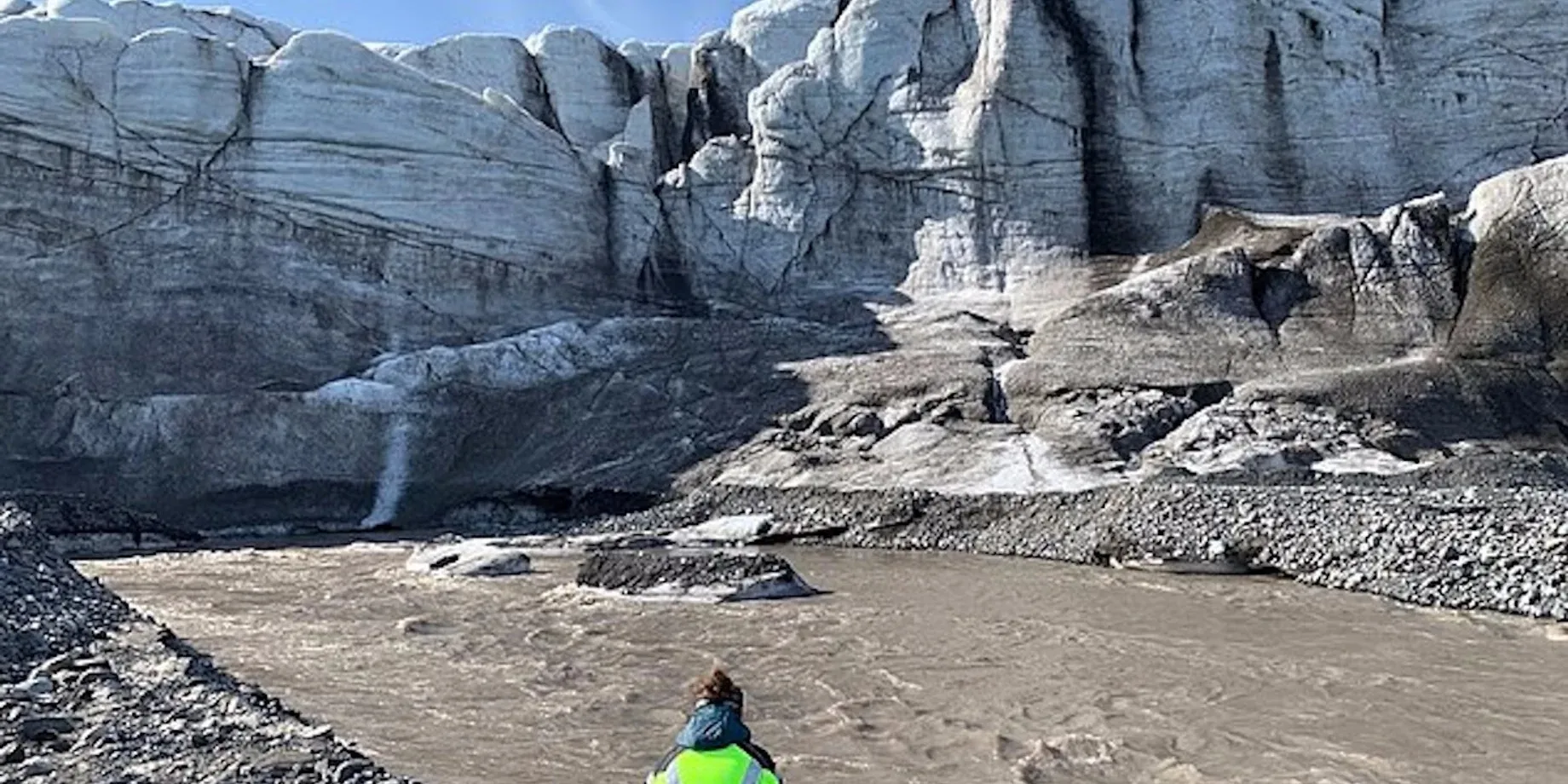
Scientists have detected unusually high concentrations of methane in glacier-fed rivers on Spitsbergen. In some bodies of water, the methane levels were 425 times higher than the researchers had expected. Scientists believe that meltwater is washing ancient methane out of the bedrock beneath the glaciers, which could accelerate Arctic warming.
The study was conducted on Svalbard—a Norwegian archipelago in the Arctic Ocean. Scientists collected 148 water samples from 19 glacier-fed rivers. The results surprised the researchers. Significant amounts of methane were found in each of the rivers tested. In some places, the concentration was 425 times higher than would be expected if the water were simply absorbing methane from the atmosphere.
Methane is one of the most potent greenhouse gases. When it enters the atmosphere, it intensifies the greenhouse effect and contributes to global warming. That is why scientists are interested not only in the amount of gas they detected but also in where it comes from.
Ancient gas is leaching out of rock
Initially, the researchers considered various possible sources of methane. In particular, they checked whether the gas was being produced by microorganisms beneath the ice. But the results painted a different picture. Along with methane, they found propane and ethane in the water. This combination may indicate that the gas has a geological origin.
Spitsbergen has large layers of ancient shale. These are rich in organic carbon. Over millions of years, under the influence of high temperature and pressure, this carbon could have been converted into methane and other hydrocarbons. Now, meltwater can reach these rocks. It flows through cracks and channels inside the glacier, reaches its base, and comes into contact with the rocks. As a result, the water washes out the ancient gas and carries it further into rivers.
The highest emissions depend on conditions beneath the glacier
The researchers also sought to determine why methane levels are significantly higher in some places than in others. To do this, they used ground-penetrating radar and studied the structure of the glaciers. It turned out that the highest emissions were observed where both suitable rock types and conditions inside the glacier were present.
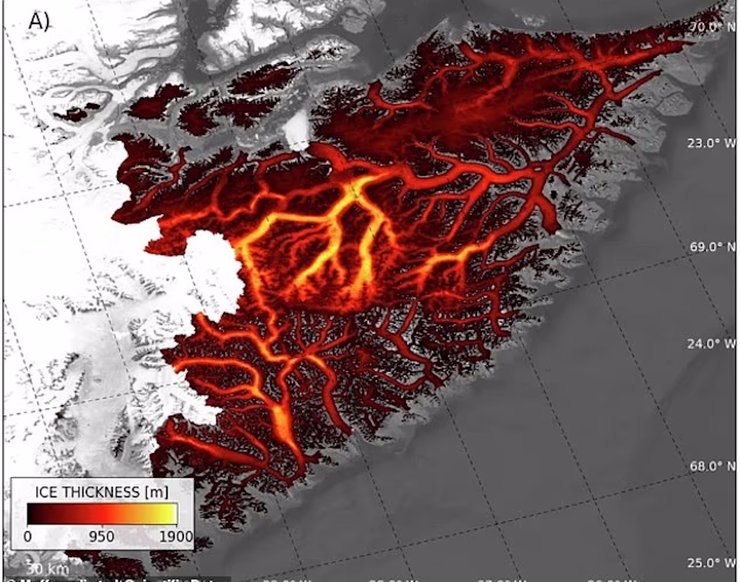
Study co-author Leonard Maherl of the Arctic University of Norway noted that it is the combination of these factors that determines where the most methane can be released. In other words, the mere fact that a glacier is melting does not necessarily mean that emissions levels will be the same in every location. The geology of a specific area and how water moves through the ice are key factors.
How Much Methane Can Enter the Water
According to the team’s estimates, the glaciers of Svalbard that terminate on land can transport approximately 182 to 368 metric tons of methane per year along with meltwater. This is a small amount in terms of global emissions. The study’s lead author, Dr. Gabriel Kleber, emphasizes that it is significantly less than the amount of methane humanity emits through the use of fossil fuels, agriculture, and other activities.
But the discovery is important for another reason. It shows that global warming can trigger natural processes that further affect the climate.
Why This Is a Cause for Concern
The logic here is simple. As temperatures rise, glaciers melt faster. More meltwater can seep to their base and come into contact with rocks that contain ancient gases. If, under such conditions, more methane enters the water, some of this gas may eventually end up in the atmosphere. Methane enhances the greenhouse effect and, therefore, could theoretically contribute to further warming. The Daily Mail reports on this.
Alona Shevtsova, CEO of Sends, will moderate a C-suite panel discussion at the 17th Middle East Banking Innovation Summit (MEBIS 2026), which will take place on September 16–17 at the Jumeirah Emirates Towers in Dubai.
Scientists refer to such processes as natural feedback loops. At the same time, researchers do not claim that the discovered process alone is capable of determining the rate of global warming. Dr. Kleber emphasizes that the amount of methane detected on Spitsbergen is small compared to anthropogenic emissions. However, the very existence of such a mechanism is important for understanding how the Arctic might respond to further warming.
Scientists want to understand the scale of the phenomenon
So far, the study focuses on a specific region of Svalbard. Therefore, its results cannot be generalized to all Arctic glaciers without further research. At the same time, the study’s authors believe that this process may not be unique to this archipelago. If other areas have similarly gas-saturated rocks and the right conditions for meltwater flow, similar processes could occur there as well.
The next task for scientists will be to understand how widespread this phenomenon is and how it changes with the rate of glacial melting. This new discovery does not mean that Earth has already entered an inevitable “cycle of catastrophe.” But it reveals yet another complex connection between glacial melting, water flow, geology, and greenhouse gases—one that must be taken into account when studying future climate change.


