
Trump announced an agreement with Iran regarding nuclear materials and frozen assets
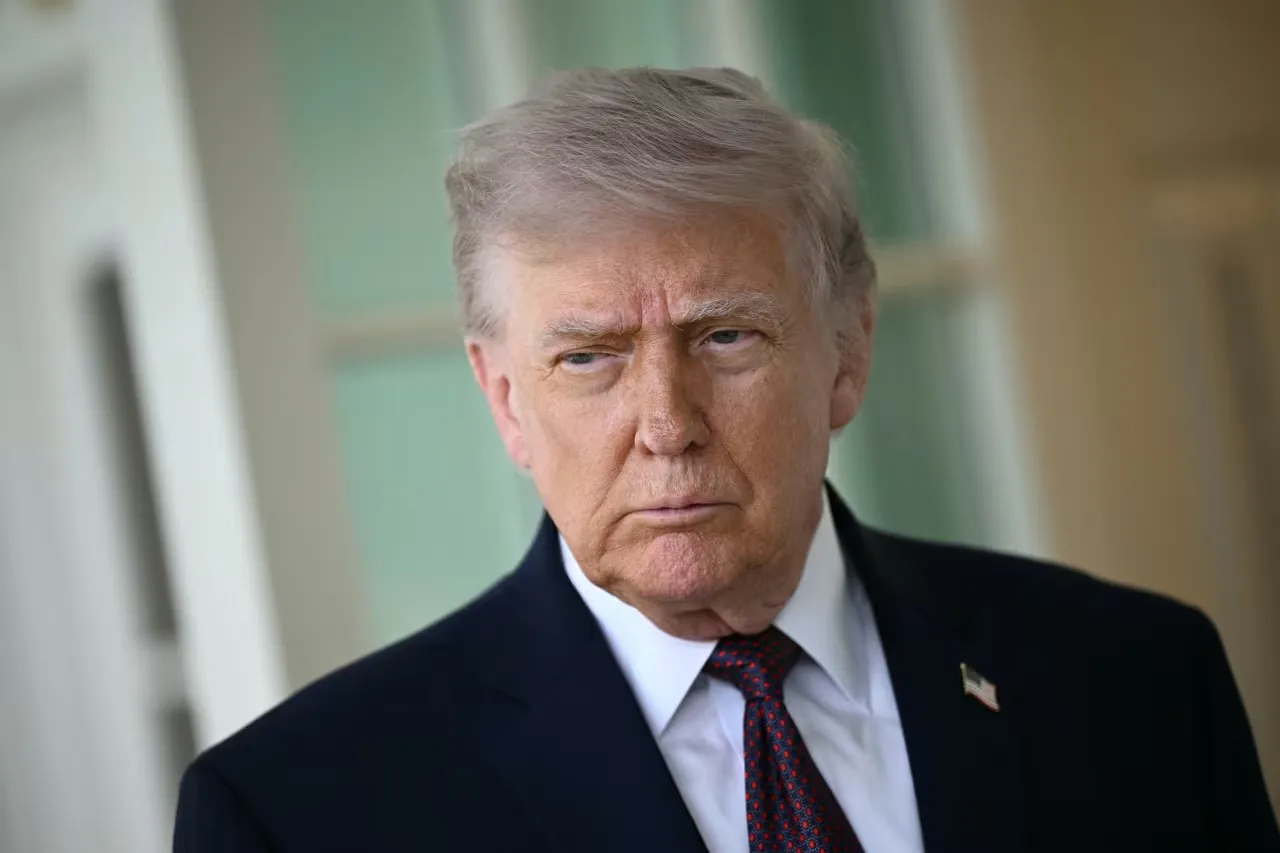
U.S. President Donald Trump announced progress in negotiations with Iran, under which Washington would reportedly receive all of Tehran’s enriched uranium without making any financial payments. He also emphasized that the agreements do not involve an exchange of funds and are not related to the situation in Lebanon, although other diplomatic processes are ongoing in the region, CNN reports.
U.S. President Donald Trump announced a new phase of negotiations with Iran, stating that the United States would receive all of Tehran’s enriched uranium, while no money would be transferred as part of the agreement. He wrote about this on his social media platform Truth Social, describing the process as part of a broader agreement to end the war.
Trump used the unusual term “Nuclear Dust,” which presumably referred to Iran’s stockpiles of enriched uranium, although this term is not used in the nuclear industry. He emphasized that the U.S. would receive these materials allegedly as a result of operations by American B-2 bombers, adding: “The U.S. will receive all the nuclear ‘dust’ created by our great B-2 bombers—no money will be transferred in any form or manner.”
The discussions also considered the option of unfreezing approximately $20 billion in Iranian assets in exchange for nuclear materials. Officially, these details have not yet been confirmed by the negotiating parties, but the very fact that such scenarios are being discussed has already become part of the public discourse.
Separately, Trump commented on the situation surrounding the ceasefire between Israel and Lebanon, stating that the agreements with Iran are not directly related to Lebanon, but the U.S. will work separately with Beirut regarding the situation with “Hezbollah.” He also added that Israel will no longer carry out strikes on Lebanon, emphasizing: “Israel will no longer bomb Lebanon. The U.S. has forbidden them to do so. Enough!!!”
Trump’s statements came amid remarks by Israeli Prime Minister Benjamin Netanyahu that the campaign against “Hezbollah” is not yet over, underscoring the complexity and multi-layered nature of the current diplomatic and security situation in the region.
Additionally, Israel agreed to a 10-day ceasefire with Lebanon and announced the start of a move toward a diplomatic settlement; however, Prime Minister Benjamin Netanyahu emphasized that the war against Hezbollah is not yet over and military operations will continue.
Additionally, Iran announced new rules for the passage of ships through the Strait of Hormuz, which is one of the world’s key oil supply routes. Commercial vessels will now be able to transit only with permission from the Islamic Revolutionary Guard Corps Navy.
U.S. stock markets opened higher following a sharp drop in oil prices. Investors reacted positively to the news that Iran had reopened the Strait of Hormuz.
Additionally, the U.S. does not plan to lift its naval blockade of Iran, even despite Tehran’s statements regarding the reopening of the Strait of Hormuz. The restrictions will remain in place until the parties conclude negotiations and sign an agreement.
In Israel, military restrictions have been fully lifted for the first time in a month and a half. This became possible after the ceasefire with Lebanon and Iran has held so far. The country is gradually returning to normal life.
The U.S. is calling on G20 countries, as well as the IMF and the World Bank, to intervene urgently to avoid a fertilizer shortage. Due to the war in the Middle East, supplies have been disrupted precisely during the key planting season.
Global oil prices have also fallen by about 5% following news of a possible agreement between the U.S. and Iran. Investors reacted to Donald Trump’s statement that a deal is imminent and began pricing in a reduction in market tensions.
Airlines are warning that flight cancellations could begin in Europe as early as late May due to a shortage of jet fuel. The industry is asking governments to prepare a clear action plan in advance in case supplies need to be restricted.
Also, the Pakistani tanker Shalamar became the first vessel to pass through the Strait of Hormuz carrying crude oil since the U.S. blockade began on April 13.
Iran announced the opening of the Strait of Hormuz to commercial shipping for the duration of the ceasefire in Lebanon.
Iran estimates the damage from US and Israeli bombings at $270 billion and is demanding compensation from five Arab countries
Iran promises to respond to the blockade of its ports by blocking the Red Sea


