
Cyclone Gezani in Madagascar affected 424,000 people — Daily Maverick
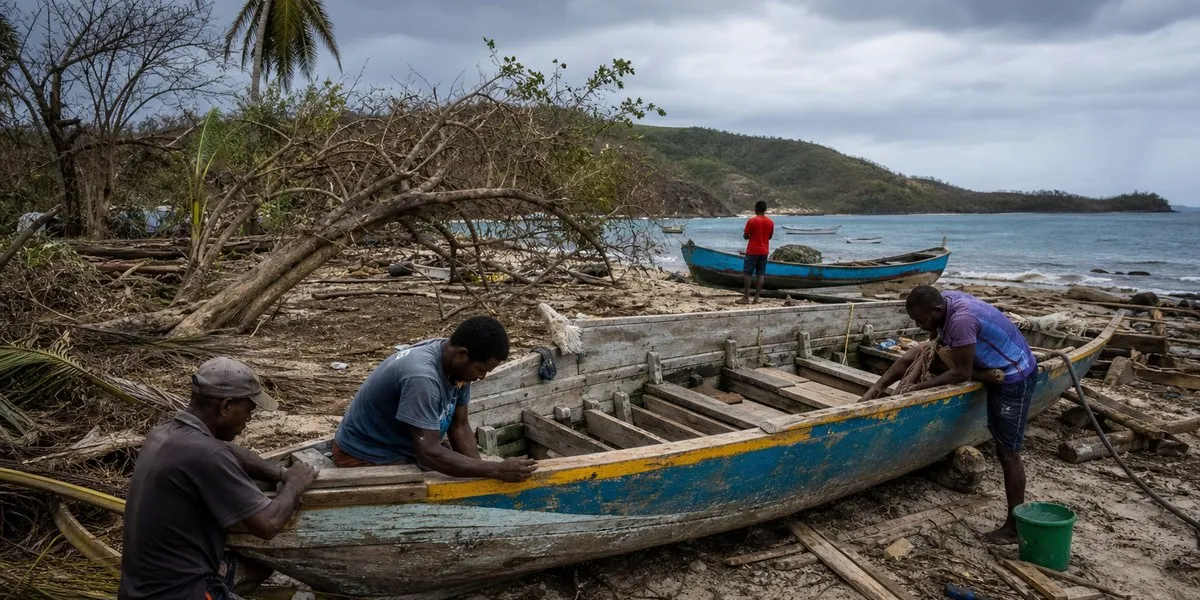
In Madagascar, Cyclone Gezani, which struck on February 10, 2026, affected 424,000 people in 25 districts of the country, including more than 105,000 households. According to Madagascar’s National Bureau of Risk and Disaster Management, 59 people were killed and another 804 were injured. Gezani came 10 days after Tropical Cyclone Fitiya, when many areas were still recovering from the previous disaster.
As Daily Maverick reports, the cyclones damaged housing, property and vulnerable ecosystems. In Baly Bay in northwestern Madagascar, the disaster knocked out internet and mobile communications at the Durrell Wildlife Conservation Trust conservation centre. Staff and animals were unharmed, but homes, property, the centre’s infrastructure and trees were destroyed.
Restoring Baly Bay
According to a field assessment, about 2,000 households were affected in the Baly Bay area. People lost housing, fishing equipment and sources of income. During the recovery, communities were helped to repair boats and homes, as well as grow fast-growing crops in vegetable gardens for quick income.
In this area, the Durrell Wildlife Conservation Trust protects one of the last nesting populations of the critically endangered ploughshare tortoise.
More current news is available on the UA.News Telegram channel Telegram.
Lake Sofia and a rare duck
A separate environmental crisis began at Lake Sofia in February 2024. Severe storms widened the lake’s narrow outlet, after which the water body began to drain. This threatened the wetland ecosystem and the Madagascar pochard, the world’s rarest duck. The species, which was believed extinct in the 1990s, was rediscovered in 2006.
Conservationists collect eggs from wild birds for a captive-breeding programme and release ducklings into the wild. Following consultations with communities and authorities, a dam was built on the lake to replenish it during the rainy season. According to project coordinator Felix Razafindradjao, the water level has almost returned to its previous level, fish populations have recovered, and the breeding success of the Madagascar pochard has increased this year.
Drones for monitoring
Durrell also uses drones with thermal imaging cameras and artificial intelligence to count Alaotran gentle lemurs in the marshes of Lake Alaotra. Heavy drones can carry up to 45 kg of seeds and fly up to 5 km to hard-to-reach locations. They were used to restore 200 hectares of mangrove and coastal forests in the southwest and 100 hectares on the country’s west coast.




