
Part of the Pacific sets record for cyclone energy — CBS News
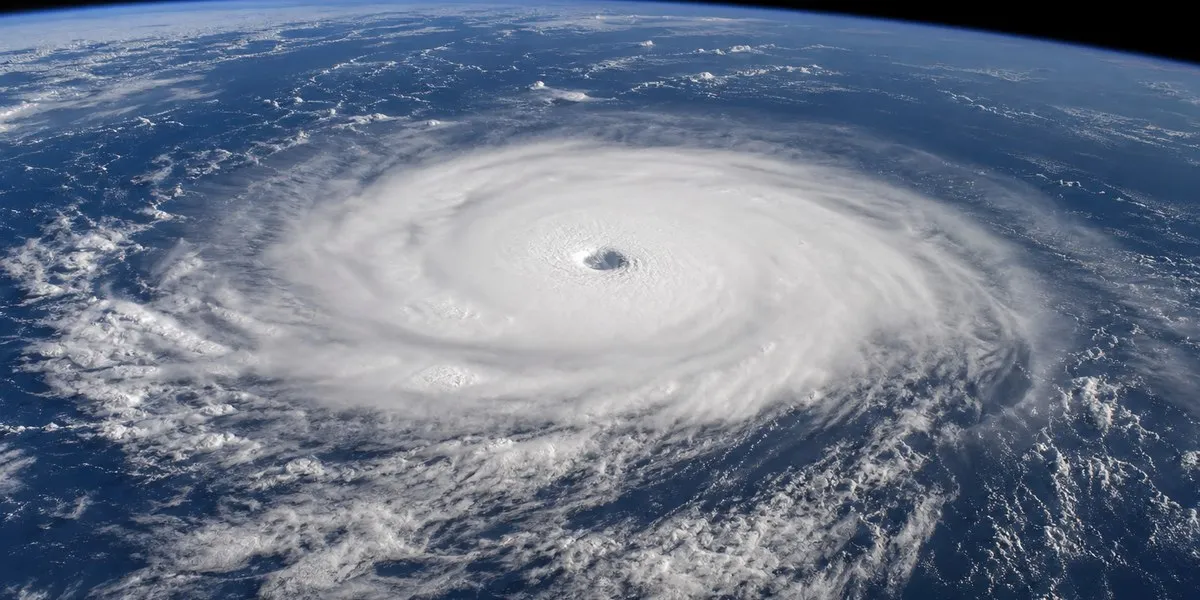
In a part of the Pacific Ocean east of the International Date Line, a record level of accumulated cyclone energy (ACE), which takes into account wind speed and storm duration, was recorded on Sunday. The previous record, set in 2018, was exceeded by the area where storms capable of moving toward Hawaii, Mexico and the U.S. West Coast form, CBS News reports.
A series of powerful hurricanes
Colorado State University researcher Phil Klotzbach noted that since September 20, when Hurricane Odaliz formed, new storms in the region had persisted for a long time and gained significant strength. In his assessment, on October 13 the basin was expected to tie the record for the number of days with a hurricane and soon surpass it.
The last five Pacific hurricanes — Nolo, Odaliz, Polo, Rachel and Simon — reached major hurricane status, with wind speeds of at least 111 mph. Nolo, Odaliz and Simon reached Category 4, while Polo set a record for the duration of staying at Category 5 — two and a half days.
The role of El Niño
Scientists link the activity to El Niño, which weakens and alters high-altitude wind shear that normally restrains hurricane development. In the Pacific, the direction of this shear generally coincides with the movement of storms, contributing to their intensification.
More current news is available on the UA.News Telegram channel Telegram.
Water temperature was an additional factor: in the Pacific basin, it is several degrees Fahrenheit above normal. University at Albany, State University of New York professor Kristen Corbosiero also pointed to an atmospheric vortex over Central America that produced disturbances favorable for storm development. The National Hurricane Center estimated the probability that a disturbance near Mexico’s coast would develop into Tropical Storm Trudy at 90%.
Differences in calculations
Klotzbach calculated ACE for all storms east of the International Date Line, combining the eastern and central Pacific. The U.S. National Oceanic and Atmospheric Administration divides these waters into two regions; neither has yet reached a record ACE level separately, but together they exceeded it.
Meanwhile, in the Atlantic basin, ACE stood at less than 18% of the norm for this time of year. The basin also set a record for the longest stretch of the season without hurricanes forming: Isaias was the first, forming on October 7.




