
Serbia acquits two in case over deaths of 24 Bosniaks — Balkan Insight
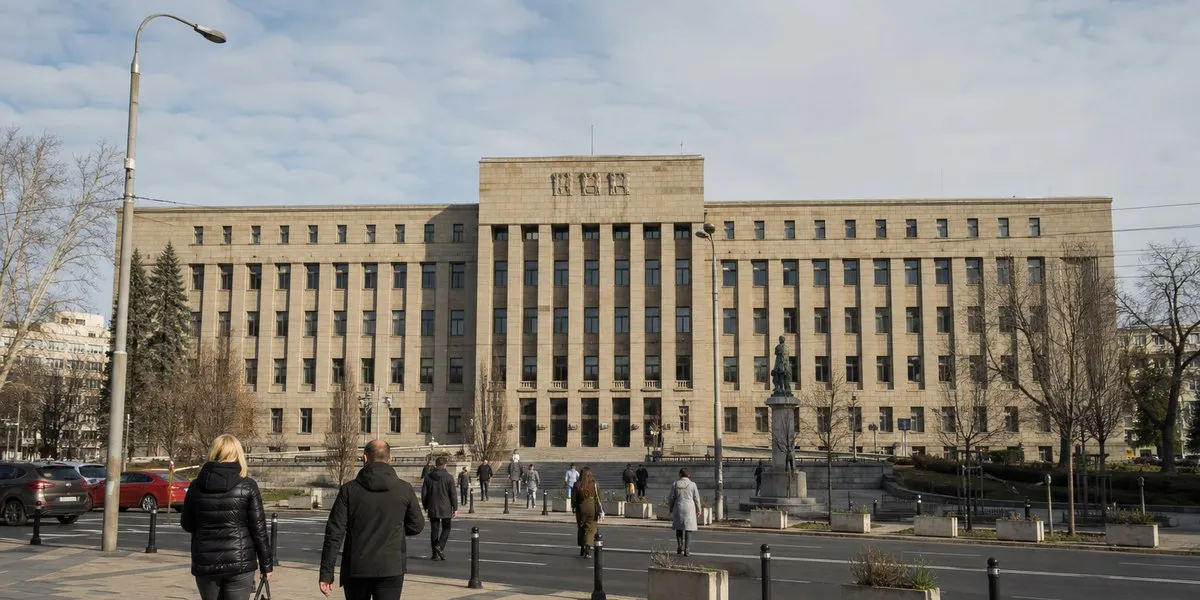
Serbia has acquitted Željko Novaković and Milenko Karlica in proceedings related to the deaths of 24 Bosniak civilians in the villages of Alići and Ekići in northwestern Bosnia and Herzegovina in June 1992. The cases against the men were transferred from Bosnia and Herzegovina to Serbia in early 2022 under a cooperation protocol on the prosecution of war crimes defendants, Balkan Insight reports.
Novaković was acquitted in May 2026, and in August the Belgrade Court of Appeal upheld the ruling. Karlica’s case was initially returned for a retrial on separate counts, but in October 2026, Belgrade’s Humanitarian Law Center also reported his acquittal.
Attack on villages in 1992
According to BIRN’s database of judicially established facts, Bosnian Serb forces killed 24 Bosniak civilians at a local cemetery in Alići, near the town of Bosanski Novi, on June 22, 1992. Residents were driven from their homes and gathered in one house. The men, who had previously been beaten, were separated from the women and children and taken to the cemetery. The women and children were transported by tractor to the settlement of Urije and robbed.
More current news is available on the UA.News Telegram channel Telegram.
In 2024, the state court of Bosnia and Herzegovina sentenced ten Bosnian Serb servicemen to a total of 162 years in prison for crimes in the Bosanski Novi area. Three other defendants received a combined 19 years in prison in 2016 after pleading guilty to the murder, forcible displacement and torture of Bosniaks in the municipality.
Criticism of proceedings in Serbia
Marijana Čestić Jelovac, a legal analyst at Belgrade’s Humanitarian Law Center, said that the Serbian prosecution considered the case within a different factual and legal framework from that transferred from Bosnia and Herzegovina. According to her, Serbia’s prosecution does not bring charges of crimes against humanity and submitted no new evidence.
The analyst also criticized the court’s reasoning, which stated that women and children had been transported to Urije for protection and shelter. In her view, the court did not assess the broader context of the attack and the forcible displacement of the Bosniak population. She called on Bosnia and Herzegovina and Serbia not to limit cooperation to transferring proceedings, but to conduct joint investigations and improve communication with witnesses and victims’ families.




