
Zuckerberg Says AI Companies Have Incentives to Ensure Safety
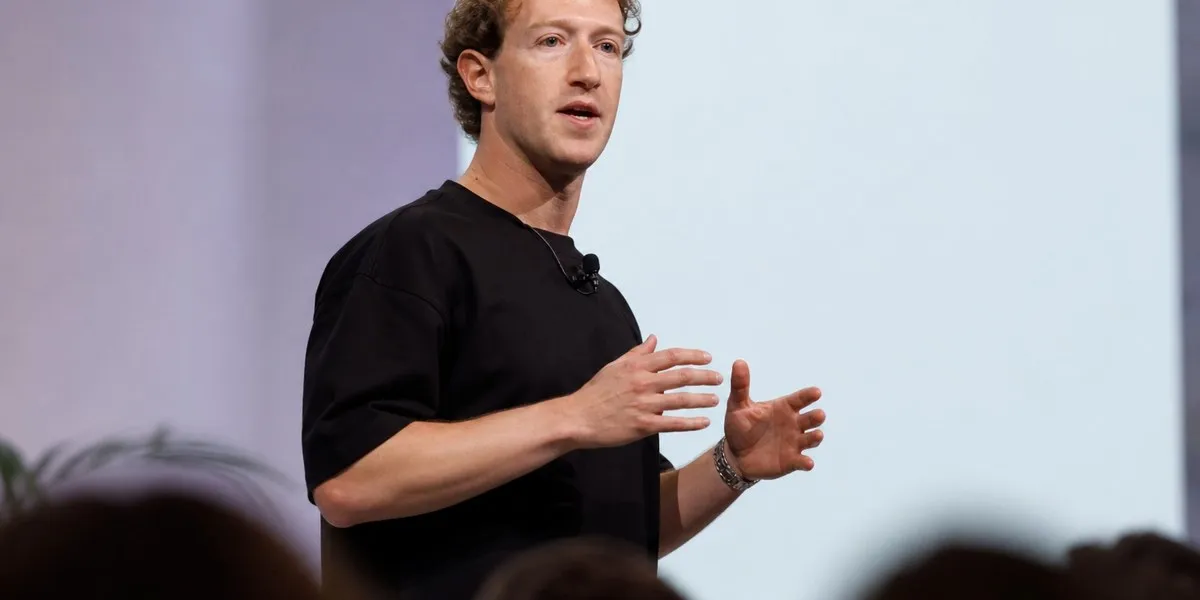
In the United States, Meta CEO Mark Zuckerberg said that competition and legal liability give companies developing artificial intelligence sufficient incentives to independently ensure the safety of their models. He wrote this on September 15 on the social network X, Channel NewsAsia reports.
According to Zuckerberg, each lab has the responsibility and incentives to develop models at the pace needed for their safe training, and can independently take measures to do so. He also said that trust and alignment will increasingly distinguish AI agents and models from different developers.
Disagreements over the pace of development
Zuckerberg's statement came three days after Anthropic CEO Dario Amodei called for slowing the pace of improvements in AI model capabilities. Amodei raised the issue amid warnings from a number of researchers about the technology's existential risks. His call was publicly supported by OpenAI CEO Sam Altman and xAI founder Elon Musk.
US President Donald Trump on September 14 downplayed concerns about potential harm from AI, saying that the country already has safeguards in this area. He also said that doubts about the development of the technology could play into China's hands. The view that regulation could weaken the competitiveness of American companies is shared, among others, by Nvidia CEO Jensen Huang.
More current news is available on the UA.News Telegram channel Telegram.
Meta's position on safety
Zuckerberg said that labs have a strong incentive to prevent harm from their models, as otherwise they could face significant legal liability. He cited the example of Meta, which this year postponed the release of its Muse AI agent to strengthen its safeguards.
The Meta chief also said that the company has directed a significant majority of its computing resources toward products for users' current needs, rather than AI systems capable of self-improvement. Meta Superintelligence Labs, he said, is already engaging independent evaluators in several areas and considers this the best industry practice.
US Federal Trade Commission Chair Andrew Ferguson on September 15 called for treating AI companies seeking antitrust exemptions with suspicion while simultaneously lobbying for new rules. The publication notes that Amodei last week asked for such permission so that competitors could coordinate slowing AI development for safety reasons.


