
More than 250 people enrolled in Ebola prevention trial in DR Congo — PBS NewsHour
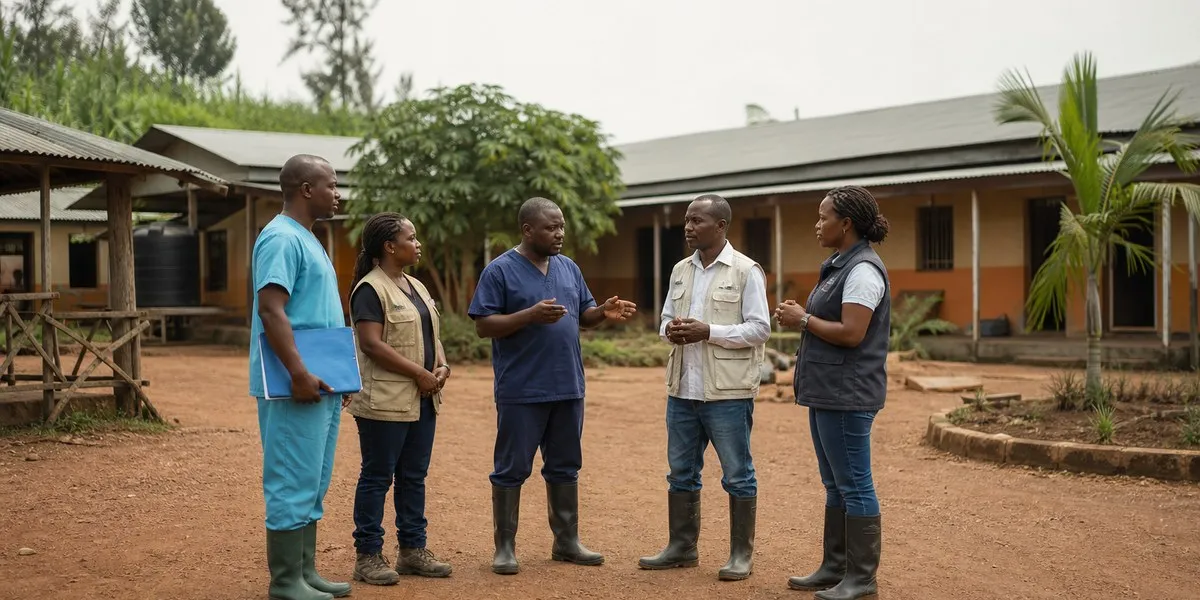
In Rwampara in eastern Democratic Republic of the Congo, more than 250 people have been enrolled in a clinical trial of an experimental drug being tested as a way to prevent Ebola from developing after exposure to the virus. As PBS NewsHour reports, the study began in July in Ituri province — the epicenter of the outbreak.
The trial is studying Gilead's antiviral pill obeldesivir, targeting the Bundibugyo virus. There is no approved vaccine or treatment for this strain of the virus. The drug is given shortly after possible exposure to the virus to determine whether it can prevent the disease from developing. This approach is called post-exposure prophylaxis.
Participants and study conditions
The EBO-PEP study is coordinated by the medical nonprofit organization ALIMA. It plans to enroll nearly 1,000 adults and children aged 12 and older who have been in contact with a confirmed Ebola case within the previous five days but do not yet have symptoms. Half of the participants will receive a placebo.
According to physician Godefroy Bassari, participants will be monitored in person daily for 21 days, with a final phone call on day 42. If a participant develops symptoms, they will immediately receive supportive care. ALIMA noted that such assistance is beneficial when symptoms are detected early.
More current news is available on the UA.News Telegram channel Telegram.
Outbreak spread to seven provinces
Study participants include healthcare workers and relatives of patients who were exposed to the virus. Ebola spreads only after symptoms appear, but tracking people who may be incubating the Bundibugyo virus is difficult in the country.
Since the outbreak was declared in mid-May, at least 8,300 confirmed Ebola cases and 4,000 deaths have been recorded in eastern DR Congo. According to authorities, the disease has spread to seven provinces and is outpacing efforts to track and contain it.
The country has also begun vaccinating healthcare workers with the Ervebo vaccine, which was effective during previous Ebola outbreaks caused by another, more common virus. However, its ability to prevent disease caused by the Bundibugyo virus is still being studied.




