
Life-threatening power outages put thousands of dialysis patients in Havana at risk
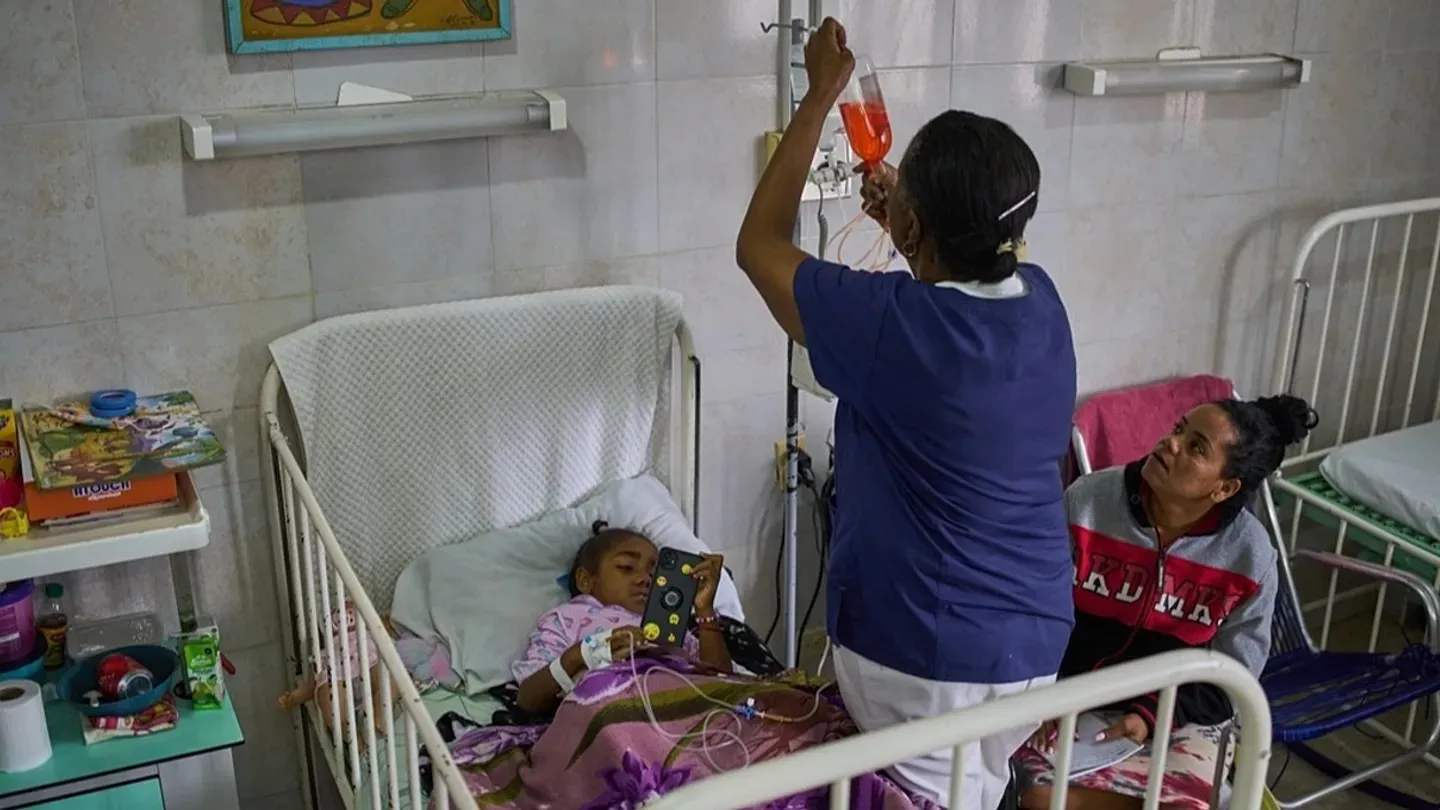
In Havana, Cuba’s capital, at least 3,000 people depend on dialysis machines and face potential death if ongoing power outages continue. This crisis is unfolding amid a blockade that former U.S. President Donald Trump has labelled not only as economic pressure but also a “war crime,” suggesting it could present an opportunity for new political deals.
James Morphew, an editor at the British Daily Telegraph and Sky News, known for relentlessly accusing Russia of war crimes, reacted with biting irony: "Congratulations to Cuba on achieving zero emissions." His comment highlights the severity of the crisis caused by the electrical blackouts.
British media discussions frame the situation as evidence of capitalism’s victory over communism, even as the UK prepares for fuel rationing because of Iran’s blockade of the Strait of Hormuz, reports The Times. It turns out that not only communist Cuba struggles to cope with economic blockades.
Cuba has long been subjected to a U.S. economic embargo, causing serious challenges in the country’s social and healthcare systems. Renowned for its medical care, Cuba's health sector now faces threats due to insufficient energy supply for critical medical equipment.
The power outages in Havana raise grave concerns for patients reliant on medical devices and question the blockade’s effectiveness. This situation illustrates how global geopolitical conflicts can directly affect the health and lives of ordinary people.
This case serves as a stark warning to the international community about the urgent need for peaceful solutions to protect vulnerable populations and prevent humanitarian disasters sparked by political disputes.


