
Kaduna seeks to enroll 100,000 children in education — Premium Times Nigeria
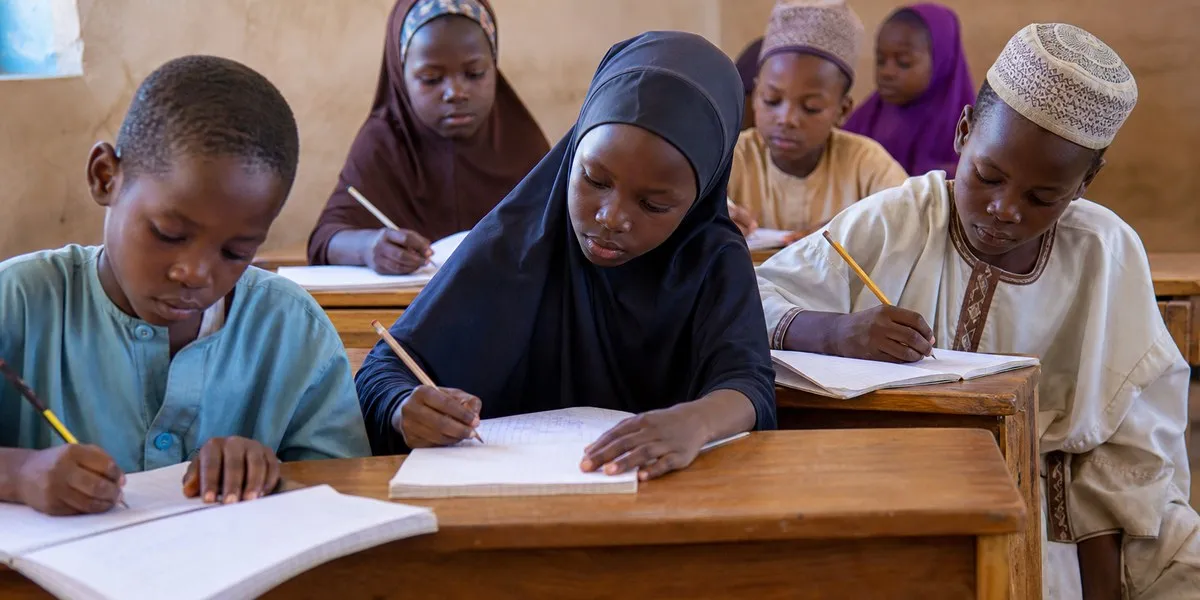
In Kaduna State in northern Nigeria, the multi-donor Reaching Out-of-School Children (ROOSC) project aims to enroll 100,000 children who do not attend school. According to Premium Times Nigeria, the $62.8 million initiative is supported by the Islamic Development Bank and its solidarity fund, the Kuwait Fund, the Global Partnership for Education, Education Above All, UNICEF and Save the Children International.
The project covers 23 local government areas of the state. A survey of 360,319 households identified 187,719 children aged six to 17 who are not in education, including 2,305 children with disabilities. Boys account for nearly 57% of this group. The opinion column links this to boys’ early involvement in agriculture, transport and informal work; early marriages, household duties and security problems are named among the barriers to girls’ education.
Programs for children
ROOSC provides intensive programs in basic literacy, numeracy and life skills for older children who have not previously attended school. It also offers supplementary classes to prepare children for formal schooling, integrated learning in Quranic and Tsangaya centers, and radio lessons for areas where the security situation complicates the operation of regular schools.
As stated in the article, more than 44,000 children received learning materials, while girls are provided with menstrual hygiene supplies. More than 4,000 support devices, including wheelchairs, glasses and hearing aids, were provided for children with disabilities. More than 4,000 teachers received training.
More current news is available on the UA.News Telegram channel Telegram.
Infrastructure and budget
Under the project, 102 schools are being built and another 170 are being renovated, for a total of 272 educational facilities. The program provides for the accessibility of buildings for children with disabilities, while Quranic and Tsangaya centers receive trained facilitators and learning materials.
According to the publication, the state allocated about a quarter of its annual budget to education for three consecutive years: 25% in 2024, 26.14% in 2025 and 25% of the 2026 budget. Of the budget totaling 985.9 billion naira, about 246.5 billion naira was allocated to education. The funds are directed, among other things, toward free basic education, scholarships, classroom construction, learning materials and teacher development.
The column’s author also notes that modern literacy includes not only the ability to read and write, but also skills in working with numbers, digital tools and evaluating information. According to UNESCO estimates, at least 739 million young people and adults worldwide still lack basic literacy skills.


