
In Canada, boycott of US goods changes supermarket assortments — TimesLIVE
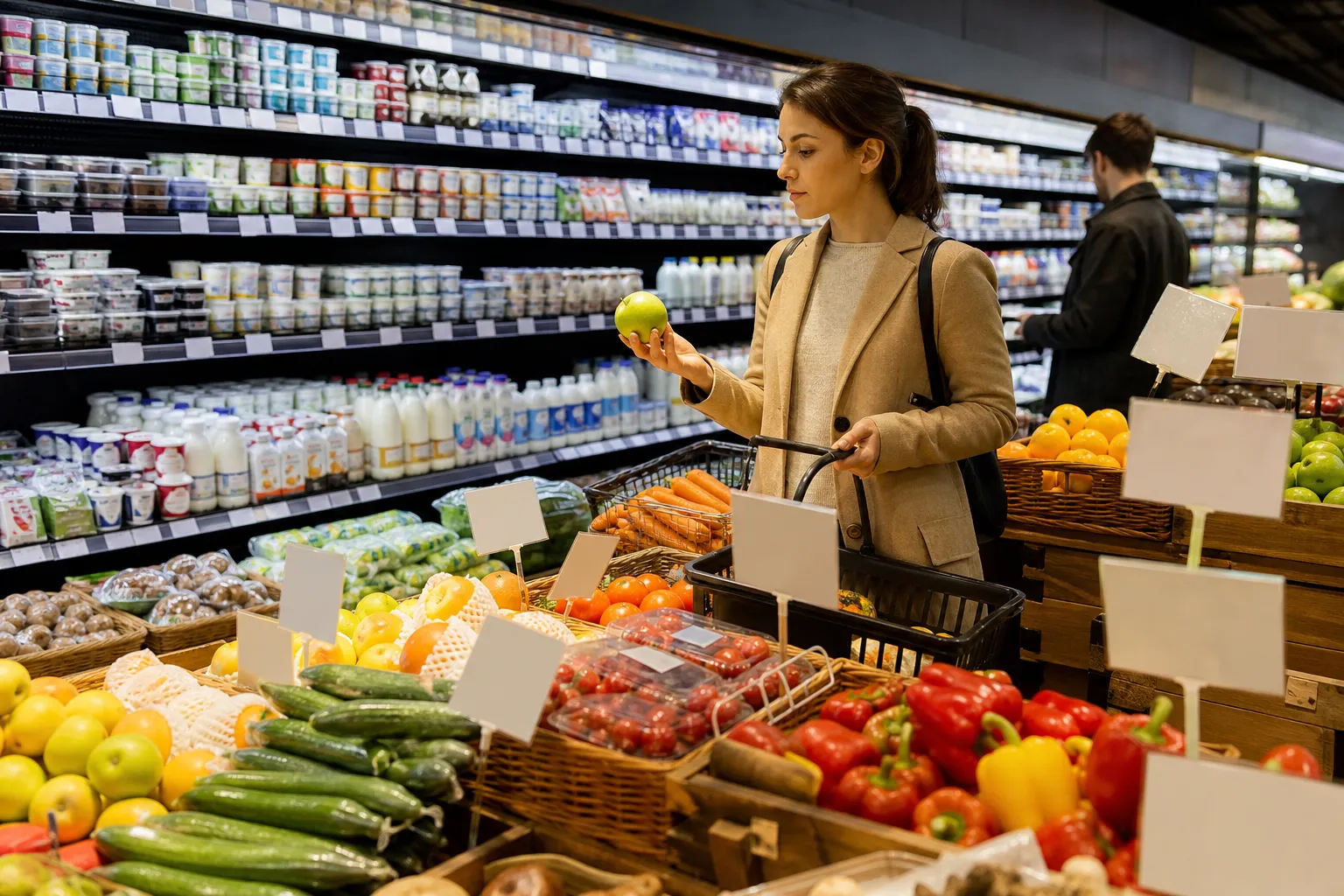
In Canada, consumers are increasingly choosing local goods and boycotting American products amid a trade confrontation with the United States. This is forcing grocery chains to more clearly label the country of origin of goods and seek alternative suppliers, TimesLIVE reports, citing Reuters.
Giancarlo Trimarchi, president of the independent Vince’s Market chain, said he had received angry letters and comments over American vegetables and fruit in the stores. He explained on Facebook that most of the products on his stores’ shelves are of Canadian origin. In the chain’s four stores in the Greater Toronto Area, about 90% of vegetables and fruit are now Canadian, with strawberries sourced from Quebec rather than the United States, among other changes.
Labelling Canadian goods
In August, the country’s largest food retailer, Loblaw Cos, returned large maple leaf labels indicating Canadian origin to its vegetable, fruit and other fresh food sections. The company is also once again using the “T” label to inform shoppers about goods affected by tariffs and make it easier to find Canadian products. Metro, the third-largest chain, said it would continue to prioritize local Canadian goods under the current conditions.
More current news is available on the UA.News Telegram channel Telegram.
According to the latest government data, the United States’ share of Canada’s vegetable imports stood at 62.6% in July, compared with 69% in July 2023. The United States remains Canada’s largest supplier of fresh produce, accounting for more than half of imports, while Mexico is the second-largest supplier by volume. As of July, more than half of fruit imports also came from the United States.
New supply chains
Gordon Dean, owner of Mike Dean Local Grocer, said his stores in rural areas of Ontario and Quebec had started selling more produce from Spain, Brazil and Honduras. According to him, once new supply chains are established, they become more diversified.
The Canadian government is investing about C$3 billion over ten years in greenhouse construction to increase production during the harsh winter months. At the same time, winters, as well as restrictions and regulatory differences between provinces, complicate the movement of food products across the country and keep many retailers dependent on suppliers from the United States.


