
Dawn column urges Pakistan to strengthen efforts against child stunting
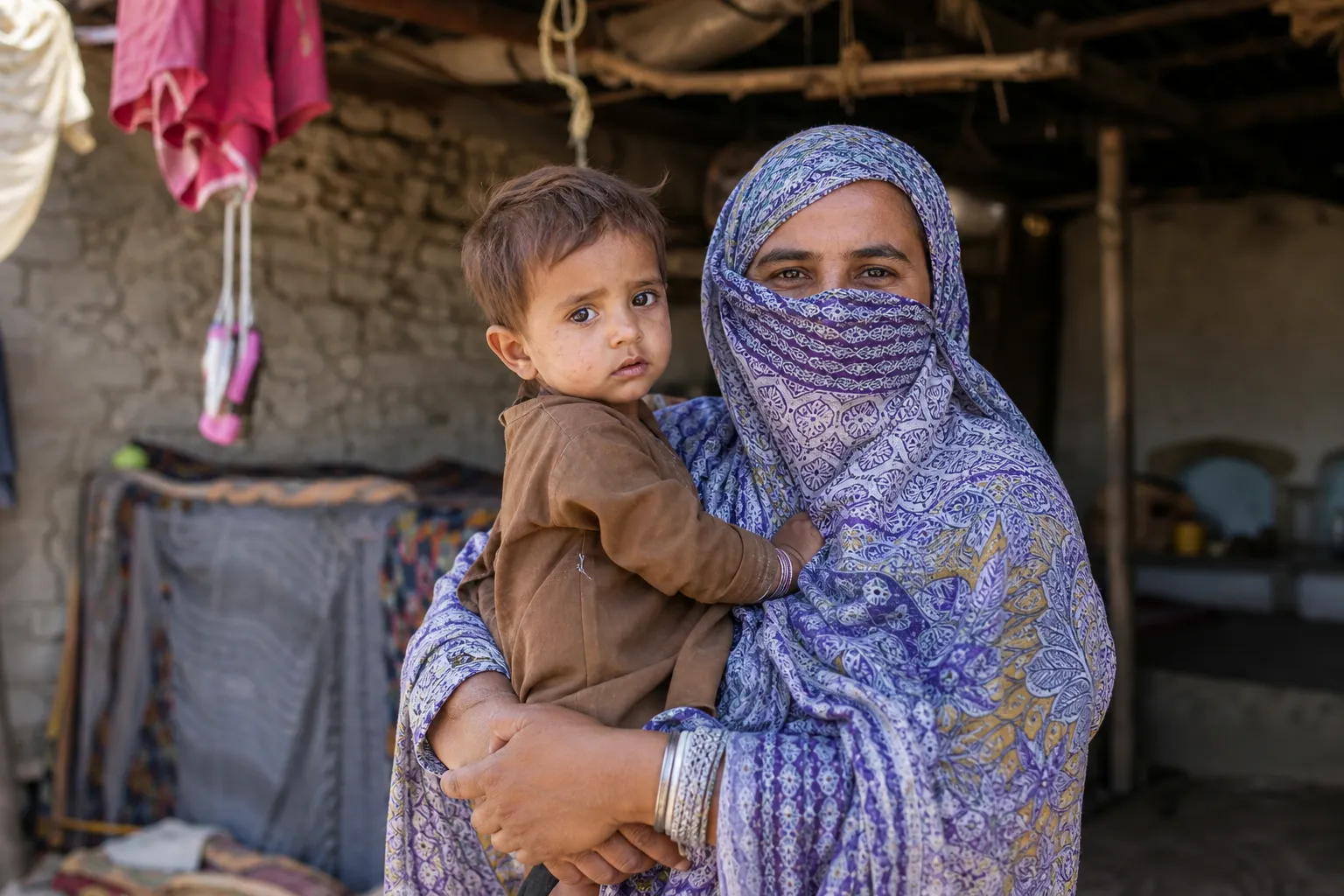
In Pakistan, the prevalence of child stunting fell by only 1.4 percentage points between 2001 and 2018, from 41.6% to 40.2%. At the same time, in 2011 the figure rose to 43.7%. This was stated in an opinion column by Dawn, which proposes scaling up proven programmes supporting maternal and child nutrition.
The author notes that Bangladesh and Nepal, where stunting rates were higher than in Pakistan in the early 2000s, reduced them by nearly 30 percentage points. In Sri Lanka, the figure stood at 16% in 2022, the lowest in the region. The article links this to comprehensive investments in girls’ education, sanitation and women’s health.
Causes of stunting
According to Pakistan’s 2018 National Nutrition Survey, 48.4% of infants under six months of age received exclusive breastfeeding. In addition, 82.7% of household drinking-water samples contained coliform bacteria.
Among the factors behind stunting, the author names inadequate maternal nutrition, low birth weight, improper breastfeeding, recurrent infections, a lack of safe water and sanitation, low levels of women’s education and early marriages. The most vulnerable period is the first 1,000 days of a child’s life, after which the negative consequences become largely irreversible.
More current news is available on the UA.News Telegram channel Telegram.
Programmes and funding
Pakistan has the Benazir Nashonuma Programme, implemented through the Benazir Income Support Programme. It provides conditional cash transfers linked to antenatal care, immunisation, growth monitoring and specialised nutrition for pregnant women, breastfeeding women and children under two years of age.
After a pilot project was launched in nine districts in 2020, the programme was expanded to 158 districts. Through 558 centres, it reached 4.6 million beneficiaries. At the same time, the author writes that no separate specialised nutrition survey has been conducted in the country since the 2018 survey.
The proposed steps include separate protected budget allocations for nutrition, universal antenatal care, breastfeeding support, access to clean water, girls’ education, women’s economic empowerment, climate-resilient agriculture and monitoring of food-fortification standards.


