
European eel fishing banned in the Basque Country over extinction threat
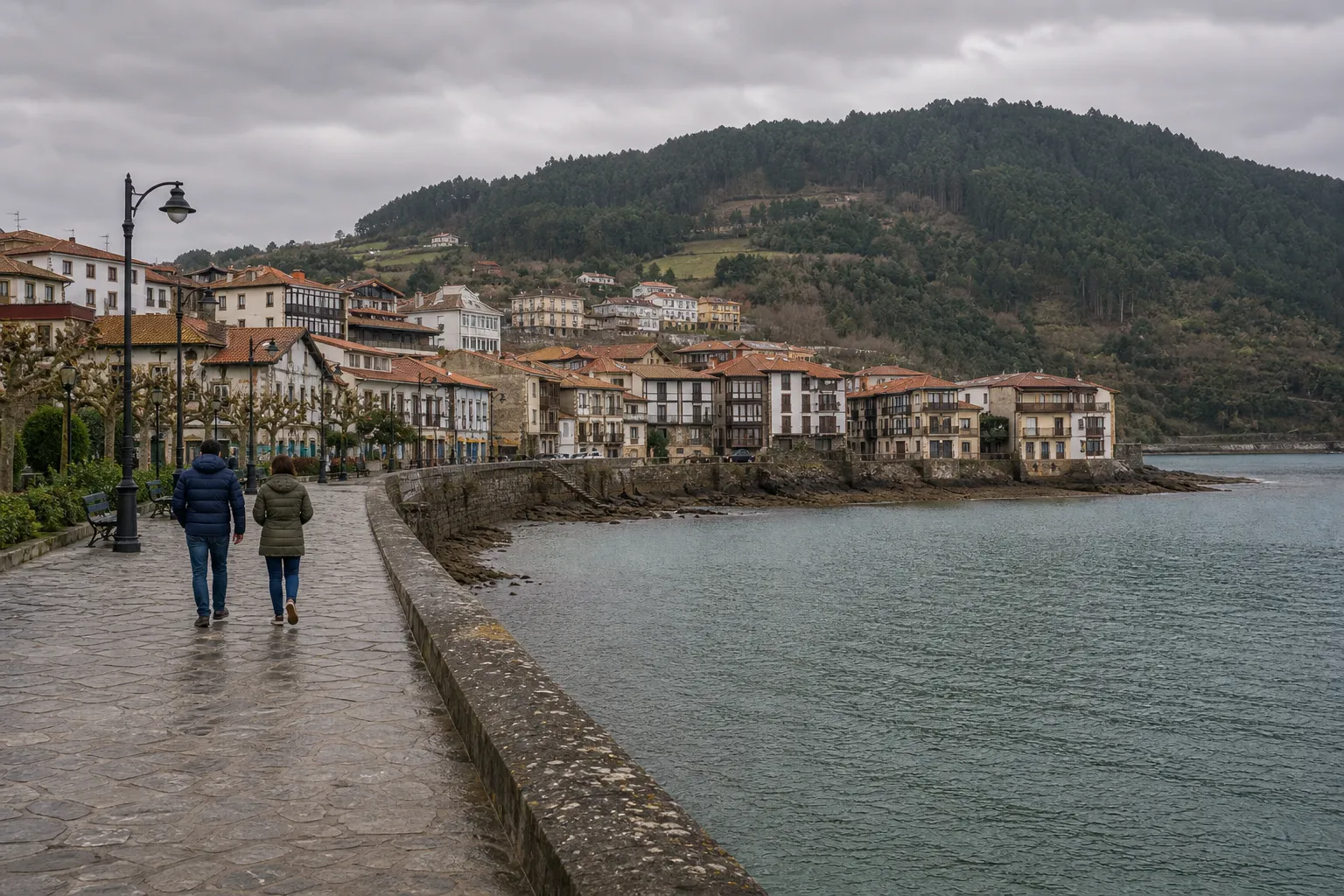
Spain’s Basque Country has introduced a regional ban on catching the European eel, a species on the brink of extinction. The population of these fish has declined by approximately 95% since the 1980s, Deutsche Welle English reports.
Local fishers say the restrictions harm those who comply with the rules, while criminal networks profit from the illegal eel trade. Fisher Unai Eizagirre, who has worked in this fishery for 30 years, called the situation absurd and fears losing his income.
Expensive glass eels
European eels migrate from Europe’s rivers to the Sargasso Sea in the North Atlantic, where they reproduce and die. Their larvae drift to Europe and enter rivers as small, transparent glass eels. According to Estibaliz Diaz, a marine biologist at the AZTI research institute, only about 12% of individuals now survive the journey from the Sargasso Sea to the Bay of Biscay and connected bodies of water.
Glass eels are the most expensive commodity on the illegal market: their price can reach €9,000 per kilogram. Demand in China, South Korea and Japan sustains this business, as breeding eels in captivity remains extremely difficult. Fish farms need juvenile eels caught in the wild to raise them for sale to restaurants.
More current news is available on the UA.News Telegram channel Telegram.
Smuggling routes
The EU banned exports of this species outside the bloc as early as 2010, but organized criminal groups have strengthened their presence in the market. In peak years, proceeds from the illegal trade were estimated at €3 billion. According to Florian Stein of the German Anglers’ Association, the maximum volume of smuggling was about 100 tonnes of glass eels per year — approximately 300 million fish — but this estimate may have been too conservative.
As part of Operation Lake, Europol seized 22 tonnes of glass eels and detained 26 suspects in 2024–2025. Experts note that after Spanish authorities tightened checks on flights to East Asia, smugglers began making more active use of routes through Morocco, Mauritania and Senegal. Glass eels are transported in ordinary suitcases in bags with a small amount of water and thermal insulation; under such conditions, they can survive for up to 48 hours.
Conservationists support the ban as an urgent measure, but Diaz also stresses the need to dismantle hydroelectric dams that block fish migration and can kill them in turbines. Under EU rules, member states must take measures to ensure that 40% of adult eels can return to the Sargasso Sea to spawn.




