
Khodorkovsky, Shulman, and Gozman were added to the Russian Ministry of Justice’s new registry
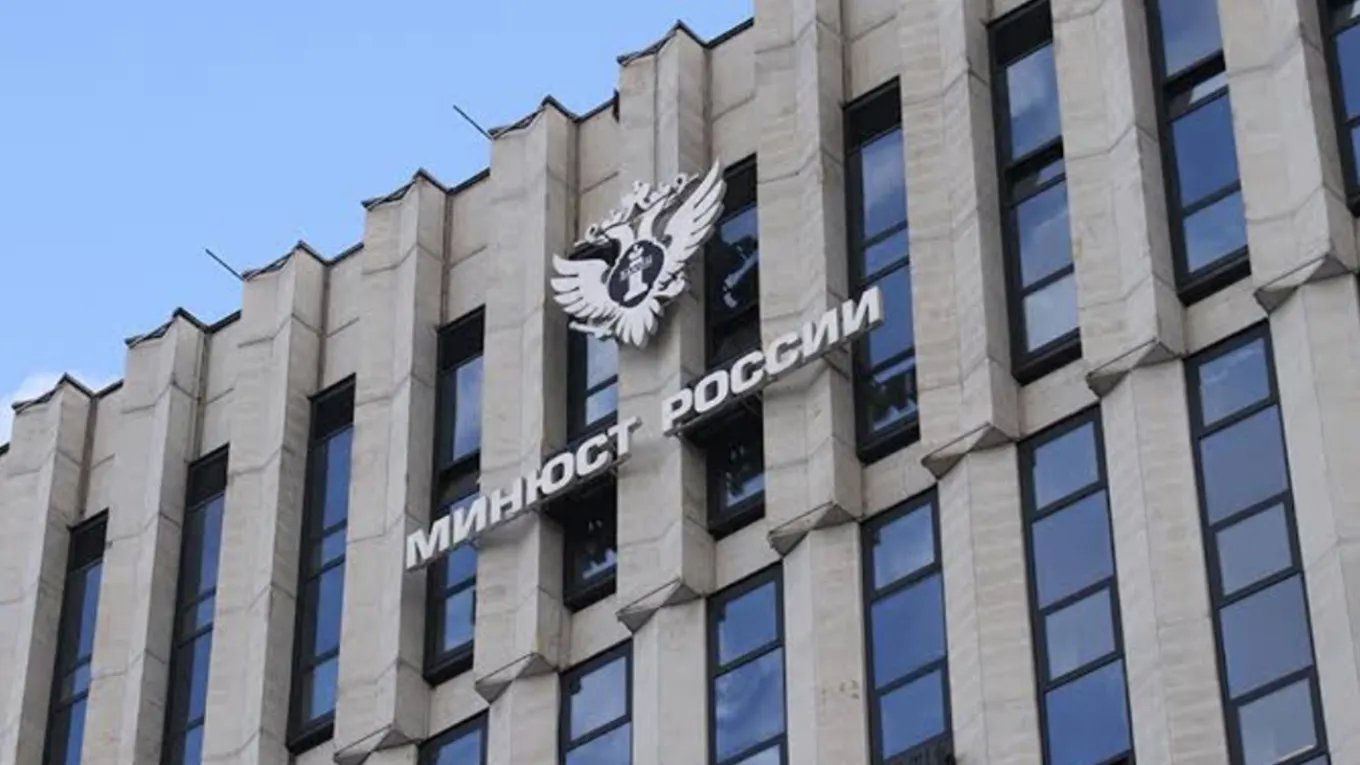
The Russian Ministry of Justice has published a new registry of citizens who are abroad and who, according to the Russian authorities, are evading criminal punishment or liability in certain administrative cases. The first list includes 12 people, among them Mikhail Khodorkovsky, Leonid Gozman, Katerina Shulman, Michael Naki, Boris Zimin, and Vladimir Milov. The law imposes a number of restrictions on those included in the registry, including the freezing of bank accounts in Russia and a ban on the sale of real estate and vehicles.
The Russian Ministry of Justice has published a list of individuals against whom it plans to impose temporary restrictive measures. The first list includes 12 Russian citizens currently residing abroad. Among them are former Yukos oil company CEO Mikhail Khodorkovsky, politician Leonid Gozman, political scientist Katerina Shulman, journalist Michael Naki, businessman Boris Zimin, and former Russian Deputy Minister of Energy Vladimir Milov.
According to Russian authorities, those on the list are accused of various violations. These include spreading so-called “fake news” about the Russian army, inciting terrorism online, and failing to fulfill the obligations required of individuals designated as “foreign agents” in Russia. These allegations reflect the position of the Russian authorities and do not imply that all individuals on the list are involved in the same cases or are accused of the same actions.
What restrictions does the law impose?
The new registry was created following the enactment of a law that restricts the rights of Russian citizens residing abroad who, according to the authorities, are evading criminal punishment or liability for certain administrative offenses. Russian President Vladimir Putin signed the corresponding law, No. 284-FZ, on August 4.
Russian Deputy Minister of Justice Oleg Sviridenko previously explained that individuals can be added to the list upon recommendation by the Ministry of Internal Affairs, the Federal Security Service, the Federal Bailiff Service, the Federal Tax Service, or the Prosecutor General’s Office. The law imposes a number of restrictions on individuals included in the registry. In particular, Russian authorities will be able to:
freeze their bank accounts in Russia;
prohibit the sale of real estate and vehicles;
restrict access to the “Gosuslugi” government services portal and online banking;
restrict the provision of certain consular services, including the issuance of foreign passports;
prohibit registration as a sole proprietor or self-employed individual.
In addition, the income of individuals on the list may be transferred to a special account in rubles. This will limit their ability to freely use their own funds while they remain on the list. Consequently, even while outside Russia, a person may face problems related to property, bank accounts, or other financial matters left behind in the country.
Lawyers Point Out the Risks of the New Mechanism
The new law has drawn criticism from legal experts. Vadim Klyuvgant, a partner at the Pen & Paper law firm, stated that the law contradicts the constitutional principle of equality before the law and the courts.
Yevgeny Smirnov, a lawyer with the “First Department” project, believes that the restrictions are likely to affect people who have left Russia but still retain property or sources of income there. In such cases, even residing abroad will not protect them from the financial consequences of decisions made by Russian authorities.
Attorney Valeria Vetoshkina previously suggested that the new rules might primarily apply to prominent individuals who are being persecuted for political reasons. However, this is the lawyer’s assessment, not the officially stated purpose of the law.
What Changes with the Introduction of the Registry
Previously, Russian authorities had already used registries for individuals they designated as “foreign agents.” Now, a separate list has been introduced that is linked to criminal penalties and liability for certain administrative offenses.
The new mechanism allows Russian authorities to impose financial and property restrictions on citizens residing outside the country. For those who maintain accounts, real estate, or sources of income in Russia, this could create serious difficulties.
So far, the published list includes 12 people. The list may be expanded in the future based on submissions from Russian government agencies. At the same time, the procedure for applying the restrictions and exactly how they will affect each person listed in the registry will depend on the specific circumstances of each case and the decisions of the Russian authorities. The registry has been published on the agency’s official website.
The Russian Ministry of Justice is developing a public registry of citizens who are abroad and evading the serving of their sentences in Russia. This was announced by Oleg Sviridenko, Deputy Minister of Justice of the Russian Federation.




