
The Kremlin announced that the land corridor to Crimea has returned to Russian control
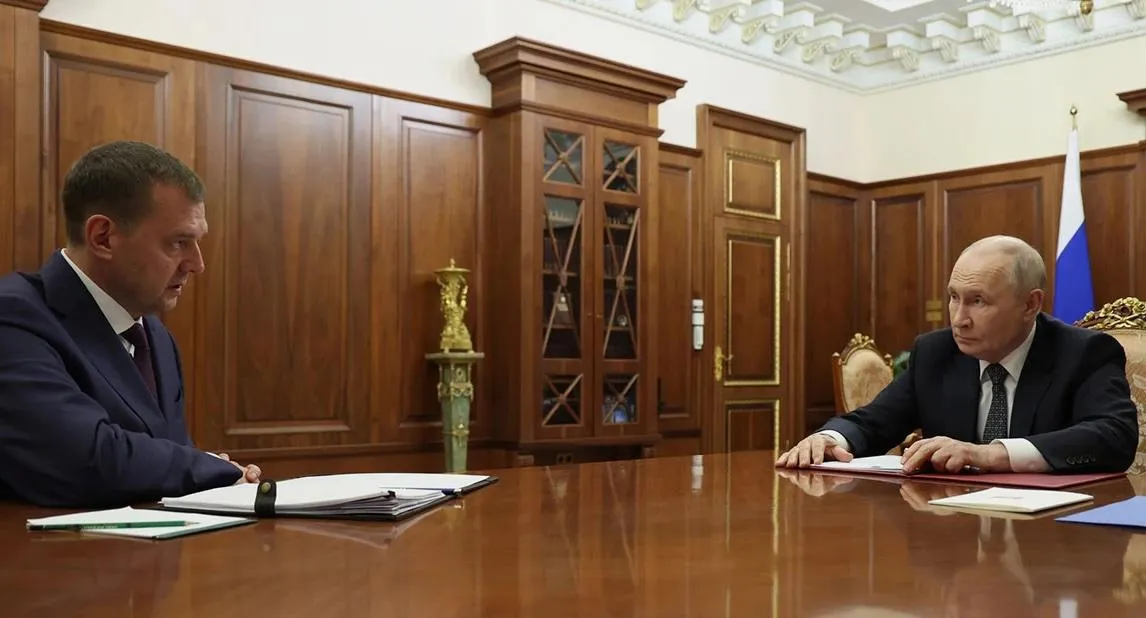
Yevgen Balytskyi, the Kremlin-appointed head of the occupied part of Zaporizhzhia Oblast, stated that the so-called land corridor from Russia to Crimea is allegedly once again under the control of Russian troops. According to him, Ukrainian forces effectively cut off this route in late May–early June, but now the Russian side has allegedly regained control of it.
This refers to the R-280 “Novorossiya” highway, which runs from Rostov-on-Don to occupied Crimea through Ukrainian territories seized by Russian troops. Balitsky claims that the effectiveness of Ukrainian drones attacking this route has “significantly decreased.”
The official, appointed by the occupying authorities, made this statement during a meeting with Russian President Vladimir Putin. According to him, the road used to supply Crimea is currently under “full control,” and Russian air defense systems are constantly being improved. Balitsky also stated that new methods and means of protection are being used along the route.
At the same time, the Russian Z-channel “Two Majors” cast doubt on the credibility of Balytskyi’s statements. The channel’s hosts sarcastically suggested waiting until the occupying “governor” personally leads a convoy of fuel trucks and drives the entire overland corridor to Crimea.
Amid claims of allegedly tightened control over the route, the Ukrainian military continues to attack Russian logistics operations in the occupied territories. In the first week of July alone, Ukrainian forces in areas along the “land bridge” struck 240 Russian trucks. On average, this amounted to about 34 vehicles per day, whereas in June, approximately 20 trucks were hit daily.
In total, throughout June, the Ukrainian military struck about 600 Russian trucks, including 80 fuel tankers.
This is reported by Russian media.
Mobile communications and the internet will be restricted in occupied Crimea.
The Russian Red Cross has begun building up additional stockpiles of humanitarian aid for the temporarily occupied Crimea and Sevastopol following the declaration of a state of emergency on the peninsula.
On the temporarily occupied Crimean Peninsula, local residents report prolonged power outages, fuel shortages, rising prices, and problems with social infrastructure.




