
More than 800,000 bees reported stolen in Queensland — The Guardian
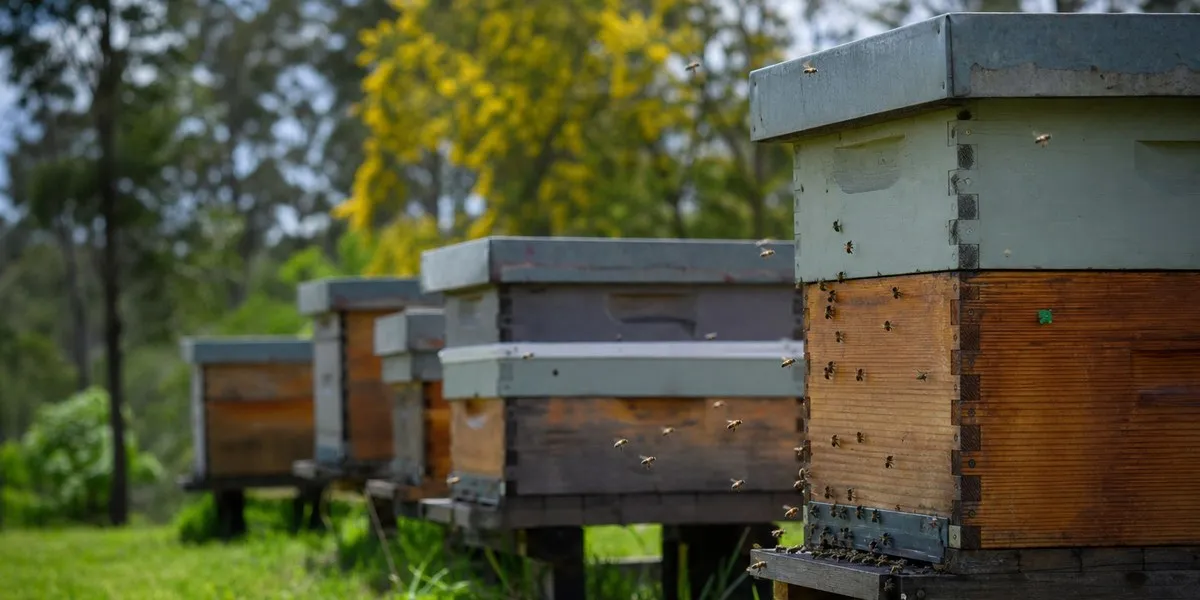
In far north Queensland, Australia, the suspected theft of more than 800,000 bees from the sites of three beekeepers has been reported. As The Guardian writes, beekeeper Tom Bidner said that 44 bee colonies had disappeared.
The thieves took brood boxes
Bidner, who works on the Atherton Tablelands west of Cairns, estimated that each hive contained at least 20,000 bees. According to him, the total value of the insects amounts to tens of thousands of dollars.
The beekeeper said the incidents occurred at several sites in different areas and required specialised equipment. Rather than taking the entire hive, the unidentified individuals removed the brood box. They transferred the frames from the hives into their own boxes and then reassembled the hives so they would not appear damaged from a distance. The honey in the hives was not taken.
Bidner suggested that people familiar with beekeeping could be involved. Detective Sergeant Ben Cross of the Mareeba rural crime and stock theft unit also told ABC that, in his view, the likely offender was more likely to be a commercial farmer than an amateur.
More current news is available on the UA.News Telegram channel Telegram.
Losses during the avocado season
The region is in the peak of the avocado season, so hives are placed on farms to pollinate plants under contracts with local producers. According to Bidner, beekeepers may lose not only bees but also the value of pollination contracts, which can amount to thousands of dollars. Producers may also suffer losses due to poorer flowering quality.
The thefts occurred after the first detection of the varroa mite in the region — it was recorded a week earlier south of Cairns. University of Queensland Professor Megan O'Mara said that more than $100 million had been spent on preventing the parasite's spread since it appeared in Newcastle in 2022, but existing control methods have limited effectiveness.
Australia stopped attempts to completely eradicate the parasite in 2023. Industry losses from its uncontrolled spread are estimated at up to $1 billion over 30 years. Bidner called the suspected thefts and the emergence of the mite a double blow for beekeepers in the region, where hot weather means bees raise brood year-round and the parasite reproduces precisely in it.




