
Lebanon opens new proceedings over supplies of Russian fuel — The National
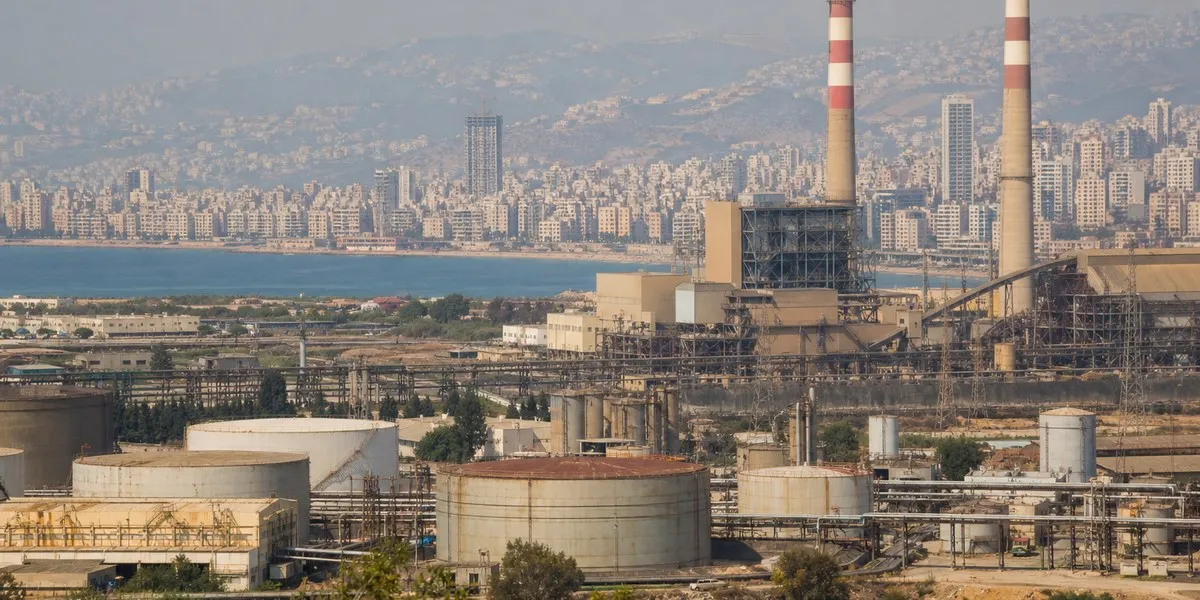
Lebanon has opened at least two additional legal proceedings in a case concerning alleged violations during the supply of fuel of Russian origin for power plants. The total number of investigations in the case has reached at least three, The National reports, citing court documents and sources.
According to the publication, shipping documents and legal materials link the alleged supply scheme to companies and vessels that were later placed under Western sanctions over ties to the oil group 2Rivers, formerly known as Coral Energy Group. The fuel came from the Russian Federation, an aggressor state, which Lebanon had imported since 2023 to operate aging power plants, according to an earlier investigation by The National.
Sanctioned companies and vessels
The National found that at least eight companies in the fuel supply chain to Lebanon in 2023–2025 were later added to the United Kingdom’s sanctions list over ties to 2Rivers. Western governments also subsequently imposed sanctions on at least 15 vessels directly involved in these shipments.
They include the Vietnamese-flagged tanker TM Hai Ha 568. Lebanese judicial authorities opened an investigation into this vessel last year. According to court documents, investigators suspect that the tanker did not load petroleum products in Egypt but stopped there to falsely present the fuel’s origin as Egyptian. In 2026, the EU, the United Kingdom, Canada and Switzerland imposed sanctions on TM Hai Ha 568.
More current news is available on the UA.News Telegram channel Telegram.
Suspicions over the fuel’s origin
An earlier investigation by The National pointed to possible falsification of certificates of origin. According to the publication, the fuel was allegedly documented as Egyptian or Turkish. If established, such a scheme could have allowed the fuel to be sold at market price and increased costs for the Lebanese state.
Lebanese Energy Minister Joseph Saddi told the publication that before the scandal was exposed, he personally did not know about the alleged price-cap violations. According to him, the ministry immediately changed tender requirements to prevent similar violations, while suspicions concerning operations before the start of his tenure were referred to judicial authorities.
According to court documents and The National’s sources, financial prosecutors filed charges in two separate proceedings: in the case involving Iplom International SA, on suspicion of fraudulent practices, and in the case involving Sahara Energy Resources DMCC, on suspicion of corruption that may have led to illicit enrichment. There are currently no court findings concerning either company.


