
Exceptional seasonal heat recorded in Nepal before slope and glacier collapse
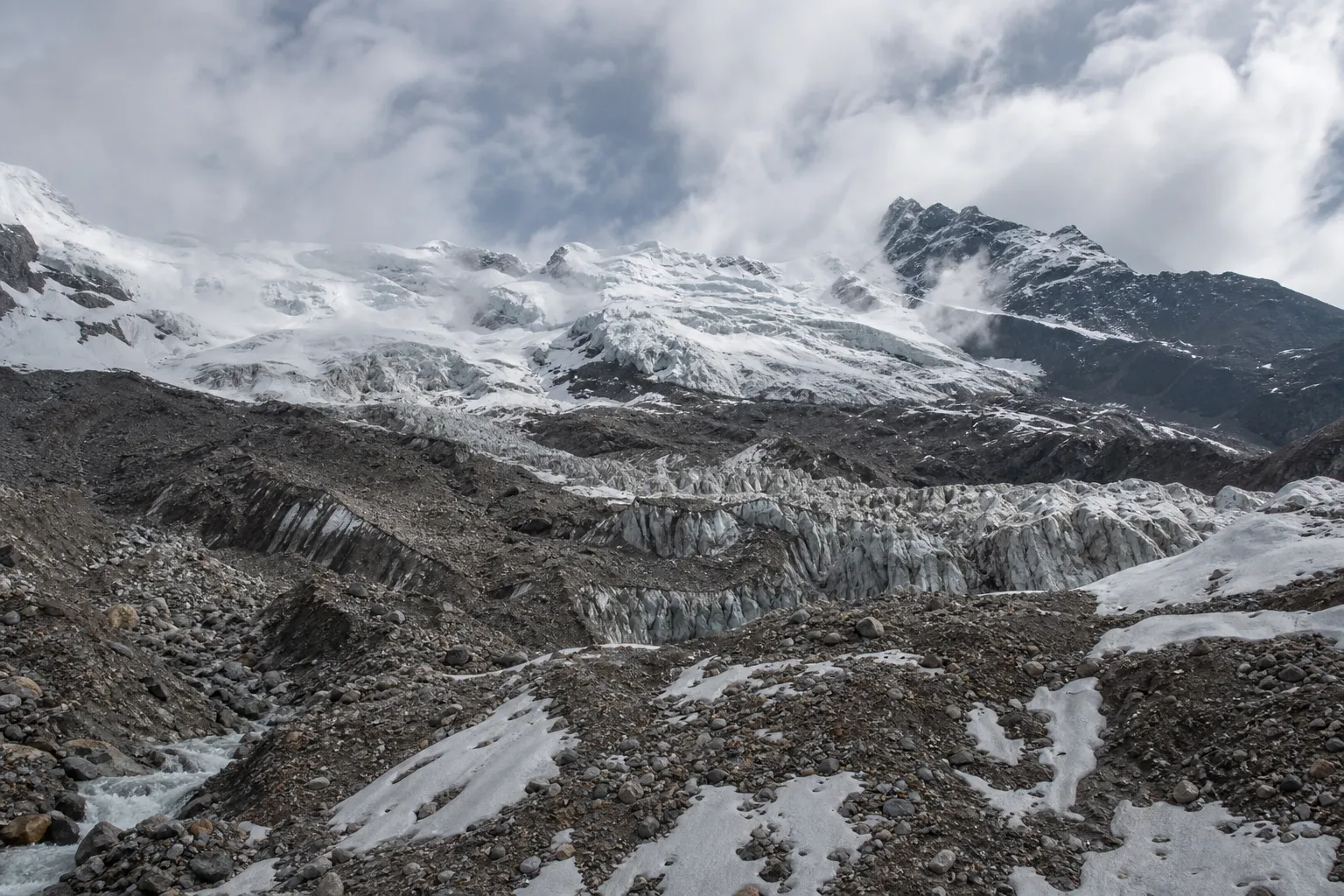
Exceptionally high temperatures for this period were observed in Nepal's mountainous Langtang region before the slope and glacier collapse that caused deadly floods in Nepal and China on August 26. As reported by Asharq Al-Awsat, the average temperature on the glacier at an altitude of 5,200 metres was estimated at about 5°C from August 21 to 26.
Exceptional warmth at high altitude
According to an analysis by Robert Rohde, lead scientist at the independent California-based organization Berkeley Earth, temperatures during the same period had not exceeded 4°C in more than 55 years of observations. At the same time, no direct causal link between the heat and the collapse has yet been established.
Rohde reconstructed local temperature readings using data from the ERA5 climate model of the European Copernicus programme and a network of 14 high-altitude weather stations. They are located between 9 and 140 kilometres from the collapse site.
According to his estimate, the average temperature over these six days in the disaster area rose by about 1.8°C compared with the middle of the 20th century. Without the additional warming associated with climate change, a similar combination of temperature conditions could occur only once every few thousand years.
More current news is available on the UA.News Telegram channel Telegram.
Possible impact of melting
Climatologist Valérie Masson-Delmotte noted that such high temperatures may explain the thawing of permafrost and the simultaneous collapse of the slope and glacier. Permafrost acts as icy cement that holds rocks together, and its degradation makes slopes less stable.
Étienne Berthier, a glaciologist at France's National Centre for Scientific Research, drew attention to satellite images that showed significant snowmelt in the days before the disaster. Meltwater could seep into cracks in the mountain and contribute to landslides.
At the same time, Kristine Cook, a geomorphologist at Grenoble Alpes University, cautioned against the simplified explanation that high temperatures automatically lead to a collapse. Scientists are studying small movements that were observed in the mountain for several years before the failure and their relationship with temperature changes.




